
Anonymous AI satirist behind Crewkerne Gazette identified as Joshua Bonehill-Paine

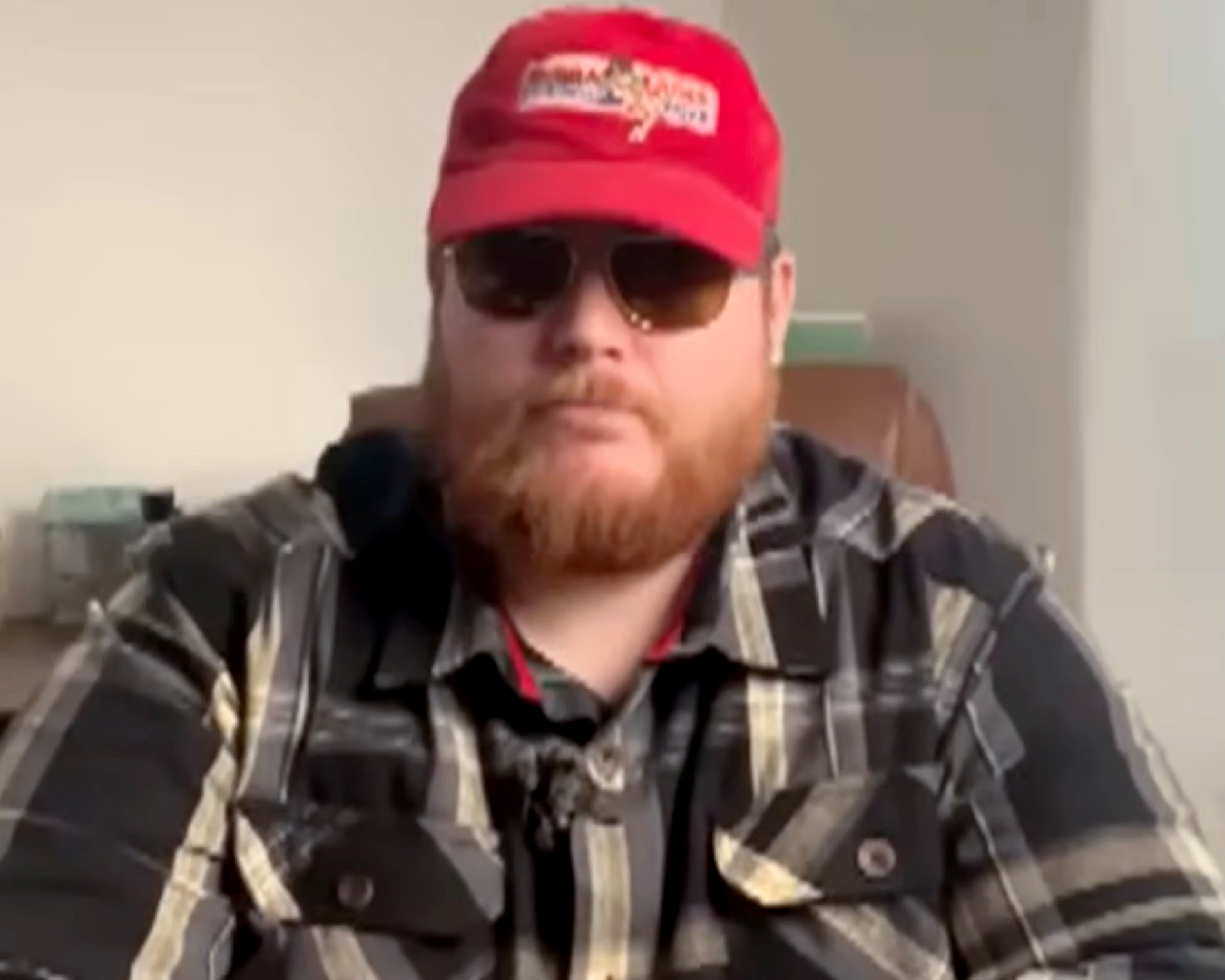
The anonymous operator of the satirical “Crewkerne Gazette” account has been identified as Joshua Bonehill‑Paine. Channel 4 News named him after weeks of speculation about who made viral AI song parodies of UK politicians. The videos used synthetic vocals to make public figures appear to sing pop hits with political lyrics. A “deepfake” is media generated or altered by artificial intelligence to mimic a real person’s voice or face. Bonehill-Paine told the Guardian he now rejects antisemitism and has worked in counter-extremism, while acknowledging past harm.
How Channel 4 unmasked the “Banksy of politics”
Channel 4 News said its reporting linked the “Crewkerne Gazette” brand to Bonehill-Paine, who has prior convictions for anti-Jewish hate crimes. The account had gained mainstream reach as a prolific maker of rapid-response AI satire. Channel 4 News published its exclusive on social platforms and video, ending the account’s anonymity.
Meanwhile, a recent profile in The Times dubbed the anonymous creator the “Banksy of politics,” reflecting rising influence across election-season culture.
What Crewkerne Gazette published—and who amplified it
The account’s AI covers featured leaders such as Keir Starmer, Angela Rayner and Andy Burnham, spoofing artists including Amy Winehouse, Barry Manilow and Elton John. National outlets noticed: The Sun featured one video, while GB News interviewed “Crewkerne Man” on air shortly before his identity emerged. Politicians also shared the clips, including Jacob Rees‑Mogg and Adam Dance, who later condemned antisemitism and said he did not know who ran the account at the time.
Bonehill-Paine’s record—and his claims of change
Court records and past reporting show Bonehill-Paine organised anti-Jewish demonstrations in London in 2015 and harassed former Labour MP Luciana Berger, leading to jail terms for inciting racial hatred and racially aggravated harassment. He has since said he is “extremely sorry” for the distress caused and supplied evidence of completing Prevent awareness training. He now says he has “a deep affection for Israel” and has worked in counter-extremism education.
Why this identification matters for UK politics and media
AI parody is now part of the political conversation. Clear labelling and context help audiences understand what is synthetic. The Crewkerne case also shows how creators with serious extremist histories can gain mainstream reach through eye-catching content. Newsrooms and platforms face renewed questions about amplification and vetting, while public figures weigh engagement against reputational risk. The story will continue to reverberate as broadcasters and politicians review their associations and as audiences demand transparency around AI-generated political media.