
No 10 ducks questions on possible removal of Matthew Doyle’s peerage

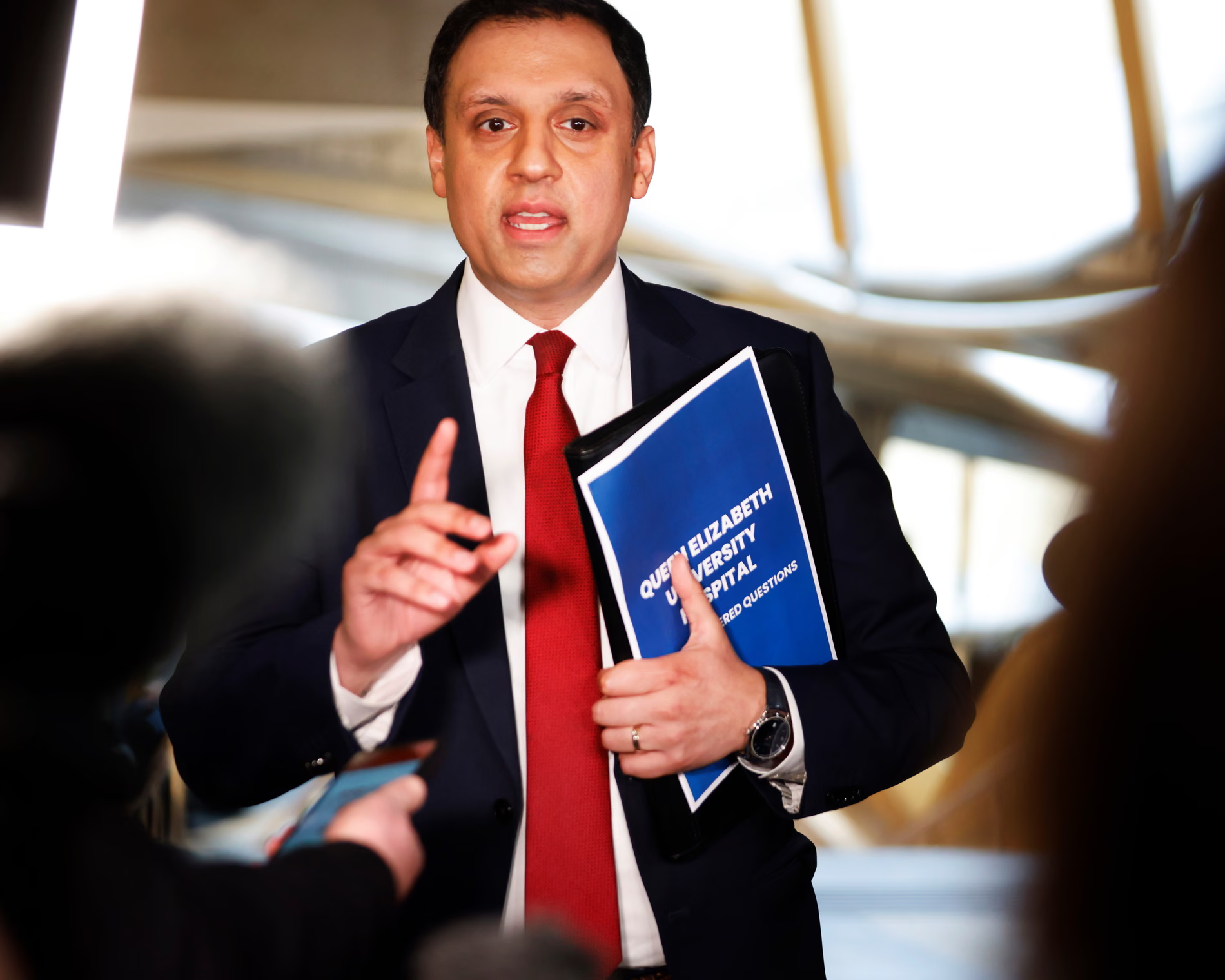
At the post-PMQs briefing on 11 February 2026 in London, No 10 declined to say whether Matthew Doyle could lose his peerage. The row concerns allegations that he failed to disclose he had campaigned for a council candidate later charged with sex offences before his nomination was announced. A peerage is a lifetime title that gives a person the right to sit in the House of Lords. Downing Street said it would not “get ahead of” the internal investigation launched by the Labour Party.
No 10 refuses to go further
Pressed on why the government did not block the appointment after press reports, the spokesperson said there was no established precedent for withdrawing a nomination once announced. They added that wider reforms to vetting and appointment processes are under way. “PMQs” refers to Prime Minister’s Questions, the weekly Commons session where the prime minister answers MPs.
In the Commons earlier, Keir Starmer said Doyle “did not give a full account of his actions” before he was nominated. Labour withdrew the whip from Doyle this week; withdrawing the whip means removing a member from a party’s parliamentary group.
Matthew Doyle peerage under new legal spotlight
Ministers plan to introduce a bill that would allow peerages to be removed in defined cases of misconduct. The move follows scrutiny of standards in public life and recent controversies. According to statements recorded in Parliament and on the government website, legislation is being prepared to create a clear route to strip a title when serious wrongdoing is proven.
At present, the Lords can suspend or expel members, and peers can retire, but removing the title itself is difficult and generally requires an Act of Parliament. Independent research bodies and the Lords Library note that, while possible in theory, deprivation of a peerage is rare and legally complex.
What the law allows today
Since reforms in the 2010s, a peer can resign their seat or face discipline. However, the underlying life peerage usually remains unless Parliament passes specific primary legislation to remove it. That gap explains the government’s push for a general mechanism that sets tests, safeguards and an appeal route.
The debate intensified after the separate case of Peter Mandelson, which prompted calls from think-tanks and commentators for stronger sanctions up to and including removal of the title in serious cases.
Timeline and political pressure
The Labour leadership withdrew the whip from Doyle on 10 February. The next day, the issue dominated PMQs and the lobby briefing. The government’s line is that it could not halt the peerage after the announcement stage, hence the broader reform effort. Meanwhile, opposition parties kept up pressure over vetting and transparency.
Why this matters now
The question goes beyond one appointment. It tests confidence in how peers are chosen and how misconduct is handled. A clear statutory path to remove a peerage would close a well-known gap and reduce the need for ad hoc fixes. No 10 is waiting on Labour’s internal findings in Doyle’s case, but Parliament will decide the shape of any new law, including the threshold for action and due-process protections.