
US jobs add 130,000 in January as unemployment hits 4.3%

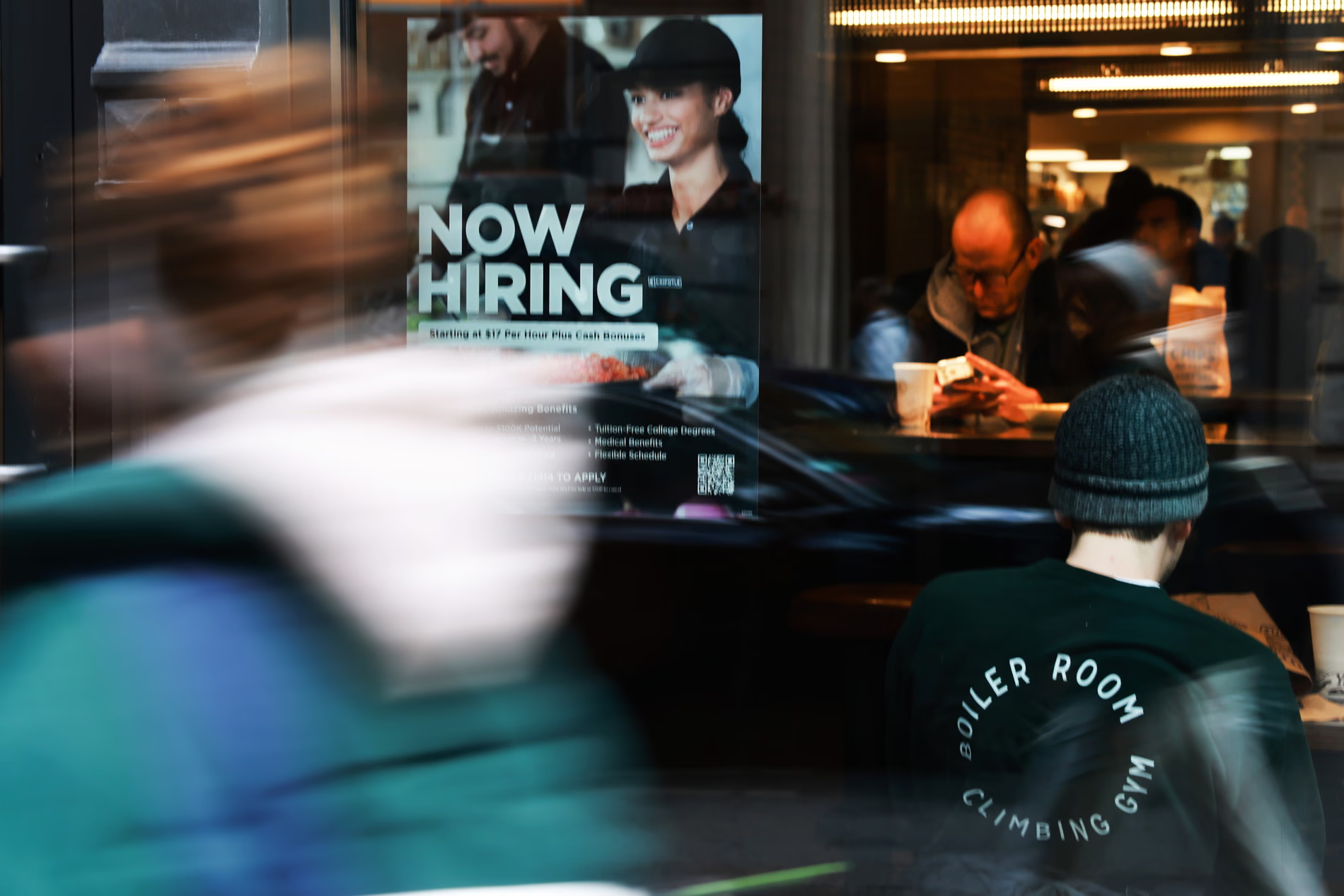
The US economy added 130,000 jobs in January. Economists had expected 70,000. The unemployment rate reached 4.3%, a touch higher than in the fall. January beat December’s weak gain of 50,000. However, it trailed the 143,000 jobs added in January 2025. The release arrived late after a brief shutdown delayed the Bureau of Labor Statistics.
January jobs beat forecasts
Hiring surprised on the upside. Private payrolls told a softer story with 22,000 new jobs. That undershot the 45,000 consensus. It also lagged the 140,000 added a year earlier. Layoff notices jumped as well. Employers announced 108,435 cuts in January 2026, the highest start to a year since 2009. Moreover, job openings fell in December to 6.542 million, the lowest since September 2020. Together, the figures show a mixed start to 2026.
Revisions reshape 2025
Large revisions hit the 2025 totals. Previously reported gains showed 584,000 jobs. Officials now put the year at 181,000. That made 2025 the weakest since the pandemic. For comparison, employers added about 2 million jobs in 2024. The new baseline changes the trend and the tone. It also reframes January’s pop as a rebound, not a surge.
Fed signals and inflation backdrop
The Federal Reserve has kept rates steady. Inflation printed 2.7% in December. Price pressures remain uneven, and tariff effects still feed through. Policymakers watch the labor market for slack. A 4.4% jobless rate, they said, can look stable if wage growth cools. Yet they still see modest demand for workers. Thus, rate cuts require clearer progress on prices and hiring.
Immigration, policy shifts and participation
Officials cited several drags on growth. New trade and immigration rules added churn. Labor force participation also moved unevenly. These factors tempered demand for labor. They also complicated month-to-month readings. As a result, analysts stressed trend lines over single prints.
Politics enters the numbers
Donald Trump cheered the report. “GREAT JOBS NUMBERS,” he wrote. Before the release, White House adviser Peter Navarro urged modest expectations. He said monthly gains near 50,000 fit the new phase. He also claimed earlier figures were inflated by unauthorized immigration. Economists will test those claims against the revisions and survey data.
Data points to track next
Watch layoffs and the JOLTS series. Higher cuts and fewer openings often cool pay growth. Also follow wage measures and hours worked. They shape household income and inflation. Finally, revisions can recast the picture again. January’s beat helps sentiment. However, the broader signals still point to a cautious jobs cycle.