
Britain’s Fish and Chip Shops Face Mass Closures as Energy, Oil and Fish Costs Spiral
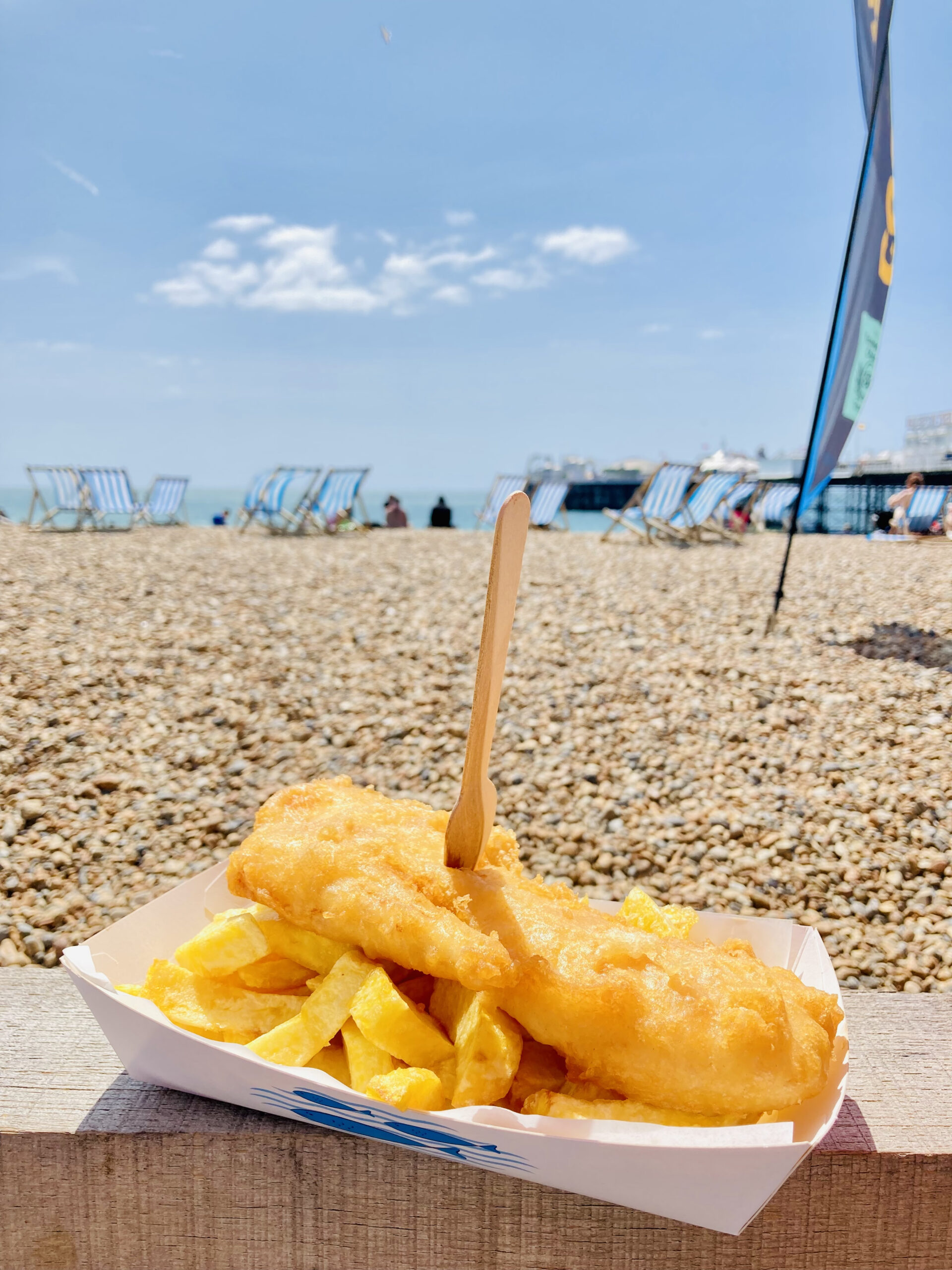
Britain’s Fish and Chip Shops Face Mass Closures as Energy, Oil and Fish Costs Spiral
Thousands of British fish and chip shops are on the brink of closure as surging fuel, cooking oil and fish prices erode profits and drive away customers, with the industry warning that an iconic staple of working-class life is fast becoming a luxury.
A Sector in Freefall
The National Federation of Fish Fryers estimates that around 500 chippies are closing every year, with approximately 9,000 remaining nationwide — down 1,500 in the past three years alone. At current rates, the sector faces a severe contraction within years.
A portion of cod and chips now costs an average of £12, a price point experts say is pushing the dish beyond the reach of many households it once served.
Trawlers Moored, Supply Chains Strained
At Brixham, Devon — England’s most valuable fishing port — vessels have been moored due to unsustainable fuel costs. Fisherman Andrew McLeod said his weekly diesel bill has risen from £10,000 to £20,500 in a single month.
“That’s an awful lot of fish you have to catch just to tread water,” McLeod said.
The spike is linked to the closure of the Strait of Hormuz amid the Iran conflict, which has caused red diesel prices to double. With trawlers unable to operate profitably, fish supply has tightened and wholesale prices have surged. The price of cod, the Federation reports, has doubled.
Costs Compounding at Every Level
Shop owners face simultaneous pressure from multiple directions: elevated fish prices, rising cooking oil costs, higher energy bills and increased business rates — all set against a backdrop of falling customer footfall.
Baris Orhan, 29, who operates the King Fisher chip shop in North London, described the situation as grinding. “Some weeks you just scrape by,” he said. “It’s not just the fish prices, it’s everything. Oil’s going up. Energy prices are going up. It’s depressing. The Government isn’t helping small businesses.”
Industry Calls for Government Action
Federation President Andrew Crook called on Chancellor Rachel Reeves to cut fuel duty while the Strait of Hormuz disruption continues to affect trawlers and distributors. He also criticised Energy Secretary Ed Miliband’s Net Zero agenda, arguing it lacks “common sense” in the context of the current crisis.
“We’re in danger of throwing our economy away to try to meet an arbitrary Net Zero goal,” Crook said. “Independent fish and chip shops are feeling the brunt.”
Opposition Shadow Business Secretary Andrew Griffith accused ministers of being “all at sea” in responding to the sector’s challenges.
Government Response
The Department for Environment, Food and Rural Affairs said it is conducting “detailed work to assess the food sector’s exposure to rising fuel prices.” No specific relief measures have been announced.