
US Set to Drastically Cut Military Commitments to NATO, Reducing Bombers, Warships and Submarines
Washington Plans Deep Reductions to NATO Force Contributions
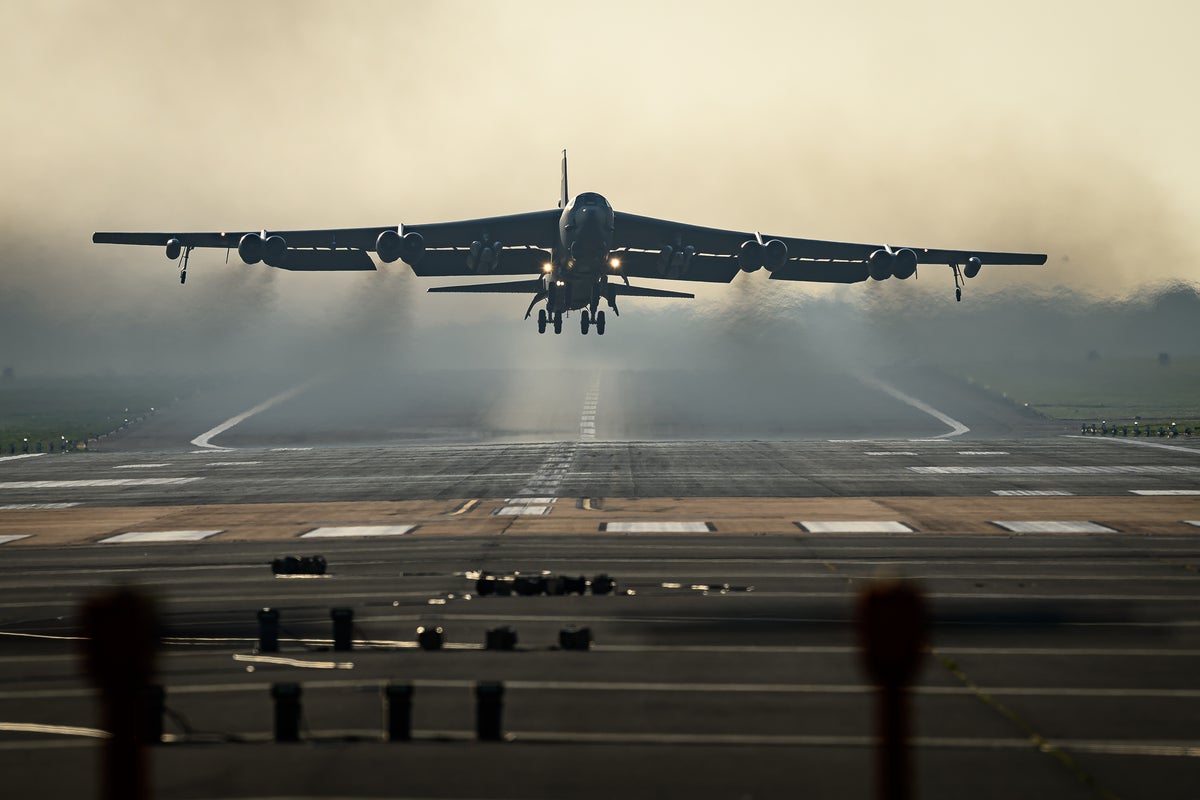
The United States intends to significantly reduce the military assets it makes available to NATO in a crisis, including fighter jets, strategic bombers, destroyers and submarines, according to a report by German outlet Der Spiegel corroborated by three sources cited by Reuters.
A senior envoy of US Defence Secretary Pete Hegseth, Alexander Velez-Green, briefed top officials at NATO headquarters late last week on Washington’s plans to cut its commitments to the NATO Force Model — the framework governing how national forces are pledged to the alliance for rapid deployment in a crisis or conflict.
What Is Being Cut
According to the reports, the proposed reductions are sweeping in scope. Among the changes being planned:
Washington is expected to provide further detail at a NATO force generation conference in early June, the Spiegel report said.
Alliance Under Strain
The reported cuts come at a moment of acute strategic anxiety within the alliance. European intelligence agencies have warned that Russia could launch a major military attack against NATO territory within a matter of years. NATO Secretary General Mark Rutte said in December that allies “must be prepared for the scale of war our grandparents or great-grandparents endured.”
Moscow has dismissed such assessments as hysteria.
President Donald Trump has repeatedly threatened to withdraw the United States from NATO altogether, while his administration has pressured European members to assume greater responsibility for their own defence and signalled a potential drawdown of US troops on the continent.
Tensions have been further inflamed by Trump’s criticism of allies over their perceived lack of support during the war in Iran, and by his earlier threats to seize control of Greenland, a Danish overseas territory.
NATO’s Response
Rutte declined on Friday to confirm the specifics of the reported cuts, speaking to reporters after a meeting of NATO defence ministers in Sweden. He acknowledged that US contributions to the force model were under discussion, noting that the US “cannot be everywhere at the same time.”
“Of course, this is highly classified because we don’t want to make anyone any wiser, but this is a process in place, this is nothing new,” Rutte said.
A NATO spokesperson told Spiegel that there had been an “over-reliance” on the United States in NATO force planning, and that, as European members and Canada invest more in defence, military responsibilities within the alliance could be reorganised.
The Pentagon had not responded to a request for comment at the time of publication.