
EU Sanctions 16 Russians and Seven Entities Over Systematic Deportation of Ukrainian Children
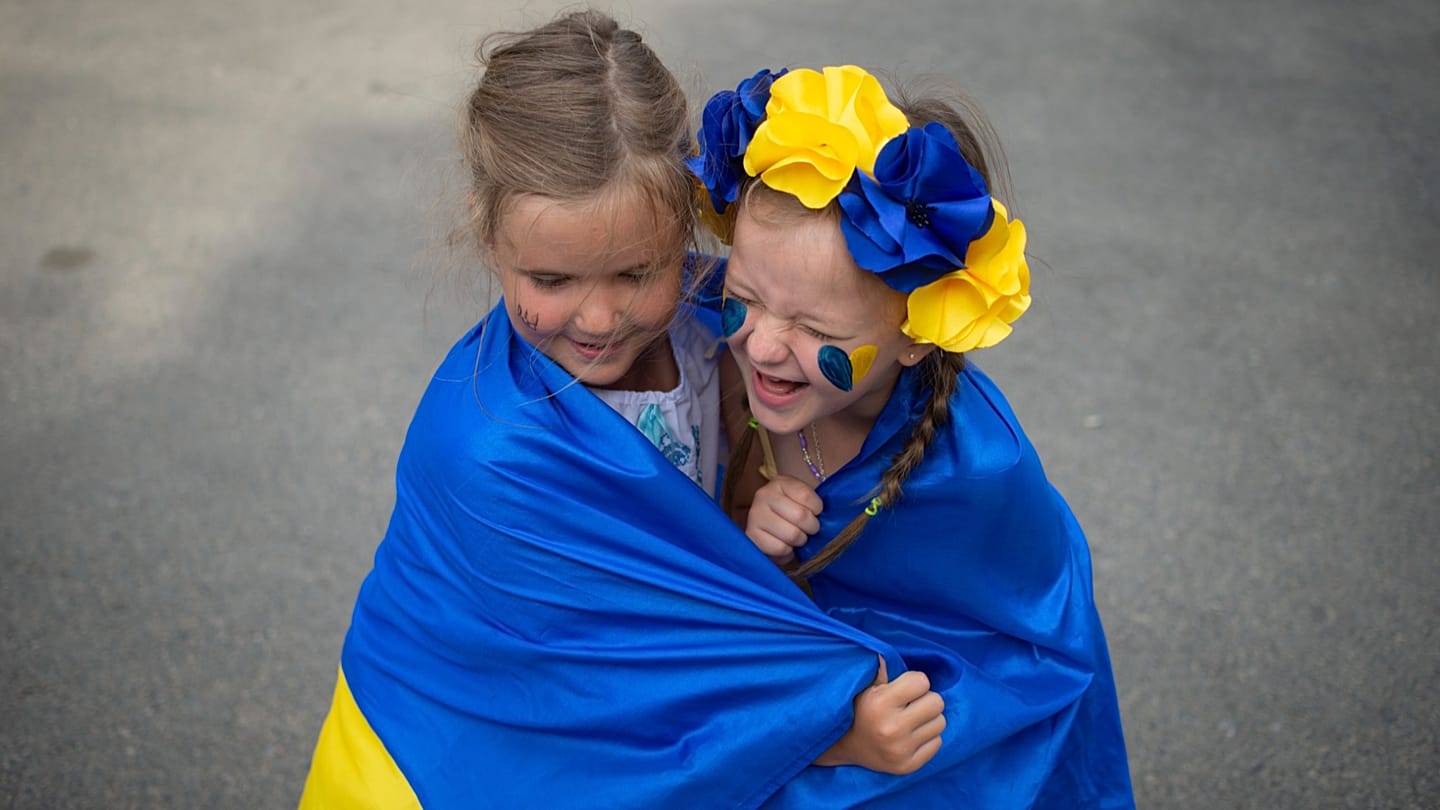
EU Imposes New Sanctions Over Forced Deportation of Ukrainian Children
The European Union has sanctioned 16 Russian individuals and seven entities for the systematic and unlawful deportation of Ukrainian children, the EU Council announced on Monday — expanding a sanctions regime that now covers more than 130 people and organisations implicated in the abductions.
The measures include asset freezes and travel bans across EU territory. EU citizens and companies are prohibited from making funds, financial assets, or economic resources available to those listed.
What the Sanctions Target
Those sanctioned include officials responsible for the forced transfer, forced assimilation, unlawful adoption, and militarised re-education of Ukrainian minors — both within Russian-occupied Ukrainian territories and inside Russia itself.
Among the entities listed are federal institutions linked to the Russian Ministry of Education, including the All-Russian Children’s Centres Orlyonok, Scarlet Sails, and Smena. Also targeted are officials from Russian-occupied territories, as well as heads of youth camps and military-patriotic organisations.
The EU Council said these institutions are responsible for subjecting Ukrainian children to ideological indoctrination, paramilitary training, and exposure to Russian military culture — including participation in events glorifying Russia’s war of aggression.
Scale of the Deportations
Ukraine has verified the deportation of more than 20,500 children to Russia to date. Yale University’s Humanitarian Research Lab estimates the true figure may be closer to 35,000. Russian authorities have themselves suggested the number could reach 700,000, though that figure has not been independently verified.
Establishing accountability remains deeply difficult. In many cases, deported children have had their identities and documentation altered within the Russian administrative system, making tracing and repatriation close to impossible.
An online “catalogue” of Ukrainian children — sortable by age, gender, and physical characteristics including eye and hair colour — was reportedly created by Russian-installed occupation authorities to facilitate coerced adoptions, according to earlier reporting by Euronews.
International Coordination
The sanctions were approved by all 27 EU member states in coordination with Canada and the United Kingdom, which announced parallel measures on the same day.
The International Criminal Court issued an arrest warrant for Russian President Vladimir Putin in 2023 in connection with the abduction of Ukrainian children — a warrant that remains unenforceable so long as Putin does not travel to ICC member states.
Reaction
“Stealing children is not incidental. It is a deliberate Russian policy, a calculated attack on Ukraine’s future,” said Kaja Kallas, the EU’s foreign policy chief, at a press conference following the announcement.
EU Enlargement Commissioner Marta Kos described the deportation of children as “one of the most horrific” faces of the war, stating that Moscow must be held accountable for its crimes.
Ukrainian President Volodymyr Zelensky welcomed the sanctions, saying those targeted are “the ones who ‘rewire’ the identity of Ukrainian children, help make them hate their homeland, and one day take up arms to fight against Ukraine.”
Ukraine’s Foreign Minister Andrii Sybiha called for broader pressure, urging action not only against those who facilitate deportation but also against individuals who adopted Ukrainian children through Russian-facilitated mechanisms.
EU Demands Immediate Return
The European Council reiterated its call on Russia and Belarus to ensure the safe and unconditional return of all unlawfully deported Ukrainian children and civilians — a demand that, to date, Moscow has shown no willingness to meet.