
Over Half a Million Children Face U.S. Deportation Proceedings Without Legal Representation
A Structural Accountability Failure
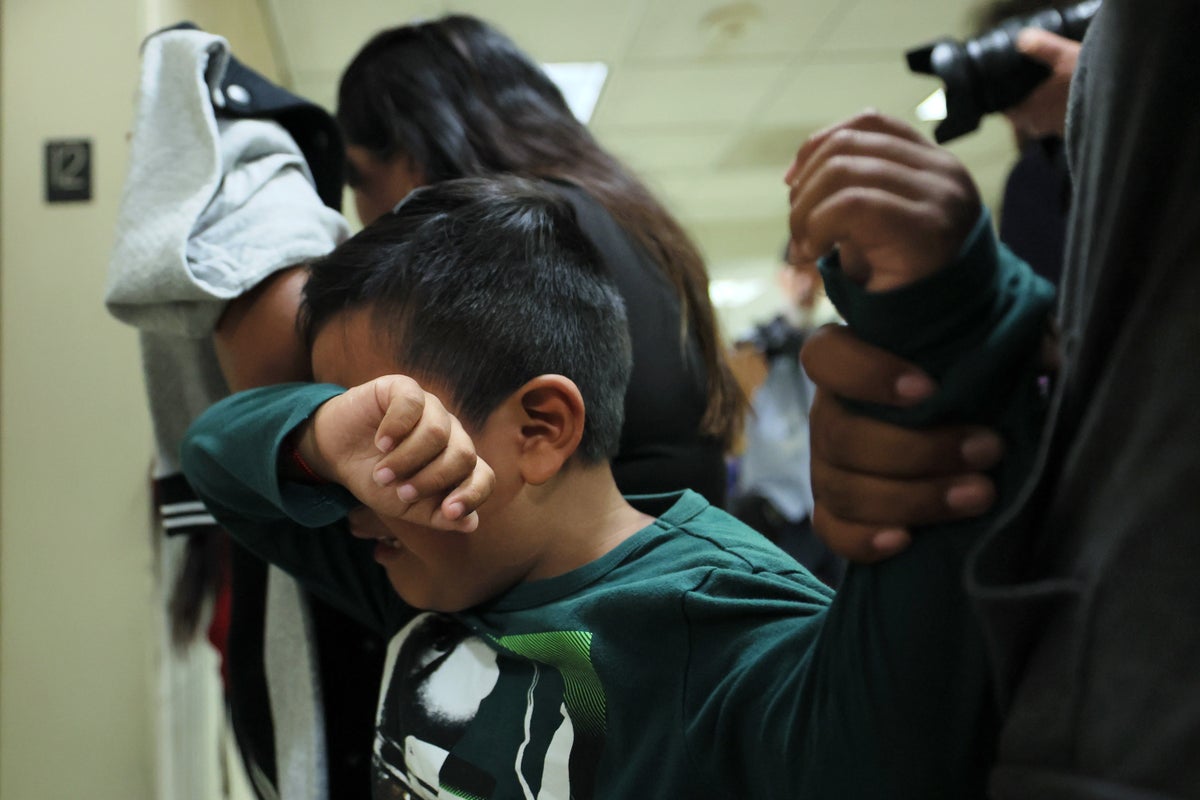
The central fact is stark and demands sustained attention: of the 751,861 children currently facing removal proceedings in U.S. immigration courts, 425,093 — 57 percent — have no legal representation whatsoever. This is not a marginal administrative gap. It is a structural condition in which the world’s wealthiest democracy is adjudicating the fates of hundreds of thousands of children, many of them fleeing violence or exploitation, without ensuring they have counsel. The data, drawn from the Department of Justice’s Executive Office for Immigration Review and analysed by the Vera Institute of Justice, establishes the scale of what is, by any serious human rights standard, a systemic due process failure.
The figures were first reported by Drop Site News and have since been confirmed through independent analysis. Neil Agarwal, the principal data scientist at the Vera Institute who led the review, described the findings as “alarming.” The Department of Homeland Security declined to verify the accuracy of the data, while asserting through a spokesperson that “all illegal aliens receive full due process” — a claim that sits uneasily alongside the documented reality that more than half the children in these proceedings have no one to help them navigate a legal system that will determine whether they are deported.
What the Evidence Shows
The disparity in outcomes between represented and unrepresented children is not subtle. Among cases completed in 2024, children with legal counsel were granted some form of relief — permission to remain in the United States — at a rate of seven percent. Children without lawyers received relief at a rate of less than one percent. That gap is not attributable to the relative merits of individual cases; it reflects the well-documented reality that legal representation is decisive in immigration proceedings, where procedural complexity, evidentiary standards, and the availability of relief categories are effectively inaccessible to those without trained advocates. To frame this as “full due process” is to mistake the formal availability of a hearing for meaningful access to justice.
Nearly two-thirds of the pending children’s cases were opened in 2023, during the Biden administration — a fact the current administration has emphasised in its public responses, pointing to the arrival of large numbers of unaccompanied children during those years and alleging failures in sponsor vetting. These are legitimate concerns that warrant scrutiny. But they do not constitute a response to the question of what legal obligations attach to children who are now inside the U.S. court system, regardless of how or when they arrived. International human rights frameworks, including the Convention on the Rights of the Child and foundational fair trial standards, do not condition the right to representation on the political circumstances of a child’s entry.
The Expedited Removal Dimension
A separate and more acute concern has emerged from the Office of Refugee Resettlement. Senator Ron Wyden of Oregon, the ranking member of the Senate Finance Committee — which holds oversight authority over the ORR — wrote to Health and Human Services Secretary Robert F. Kennedy Jr. this week, citing “credible information” that HHS is maintaining a list of more than 500 unaccompanied children in ORR custody who have been identified as targets for expedited removal under what he described as “an unprecedented legal framework.” Wyden noted that the vast majority of children on this list already have legal representation in their immigration proceedings, making the reported initiative not merely a due process concern but a potential circumvention of ongoing legal cases.
An HHS spokesperson dismissed Wyden’s letter as “irresponsible fearmongering,” stating that there are “no plans to target these children” and that the administration’s priority is ensuring proper sponsor vetting. The denial is noted. It does not, however, address the specific legal framework Wyden referenced, nor does it explain the basis on which children with active, represented cases might be placed on any removal-tracking list. The senator’s demand for “immediate suspension” of any such screening initiative reflects a recognition that the combination of speed, opacity, and the vulnerability of the population involved creates conditions in which harm can occur before it can be legally challenged.
The Accountability Gap
The pattern that emerges from this data is not one of isolated failures but of systemic design. A court system processes hundreds of thousands of children’s cases, more than half without counsel, producing predictably asymmetric outcomes — and the responsible agencies respond by disputing the data’s accuracy rather than the underlying conditions it describes. The Trump administration’s immigration enforcement apparatus has attracted significant coverage for its detention practices and enforcement operations; the quieter, procedural machinery of immigration courts has received less scrutiny, despite the fact that it is here, in underfunded courtrooms with overwhelmed dockets, that the legal destinies of three-quarters of a million children are being decided. The question of who bears responsibility for this state of affairs — Congress, successive administrations, the courts — is genuinely complex. The question of whether it constitutes a serious violation of the rights of children is not.