NHS pay rise sparks union backlash as Unite raises strike prospect
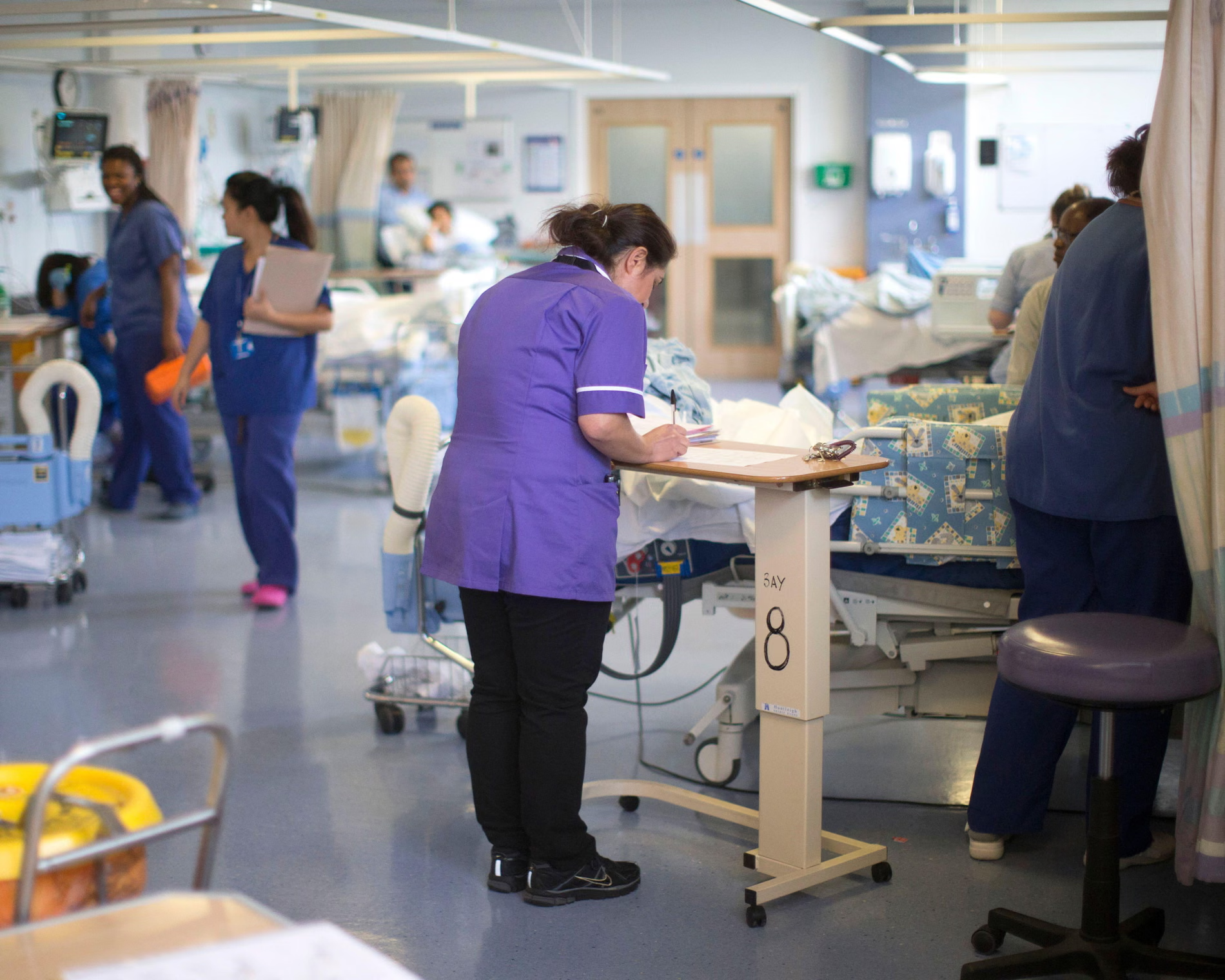
Health unions have criticised a 3.3% NHS pay rise for 1.4 million staff in England, calling it “an insult” and a “betrayal” of frontline workers. The increase, imposed for 2026-27, covers roles including nurses, midwives and porters.
Unite went further than other unions and warned it could move towards industrial action. The government says the award is affordable and above expected inflation next year. Unions argue it still leaves staff worse off after years of pay erosion.
A below-inflation award that hits a nerve
The 3.3% rise is slightly below current inflation. UK CPI inflation stood at 3.4% in the 12 months to December 2025, according to the Office for National Statistics.
Ministers point out inflation is forecast to fall during 2026-27. But unions say staff feel the impact of prices now, and that another tight settlement deepens frustration across a service already under strain.
Streeting says the numbers stack up
Wes Streeting, the health secretary, told MPs the uplift is higher than the Office for Budget Responsibility’s inflation forecast of 2.2% for 2026-27. The OBR is the UK’s independent body that produces official economic and fiscal forecasts.
Streeting also said the deal was made possible because NHS organisations had stayed within budgets by pushing savings programmes, which freed up funding within the existing settlement.
Nurses and midwives call it disrespect
The Royal College of Nursing and the Royal College of Midwives said the 3.3% award fails to reflect the real cost of living. They warned it risks becoming a real-terms pay cut if inflation does not fall as predicted.
The RCN said it will watch what other NHS groups receive before deciding its next steps. The RCM said the decision would deepen anger in maternity services, where it says staff are routinely stretched.
Unite signals escalation
Unite described the award as “political cowardice” and “financial betrayal”. It said it would consult members once full details are available, and warned ministers must use upcoming talks on pay reform to address wider grievances.
Industrial action would mark a serious escalation after months of warning from unions that retention and morale are being undermined.
Why the process is part of the problem
Unions also attacked the way the decision was made. They say ministers failed to deliver on a promise of direct talks, and instead imposed a figure through the pay review route.
The NHS pay review body is an independent panel that gathers evidence and recommends pay awards. Unions argue the approach is too slow and too easy for governments to sidestep meaningful negotiation.
The 3.3% NHS pay rise is now set, but the political fallout is not. With unions warning of a fresh pay squeeze and one openly raising strike action, the government faces a new test of whether it can stabilise the workforce while keeping NHS spending under control.