
Heraskevych says IOC “plays along with Russian propaganda” after Winter Games ban
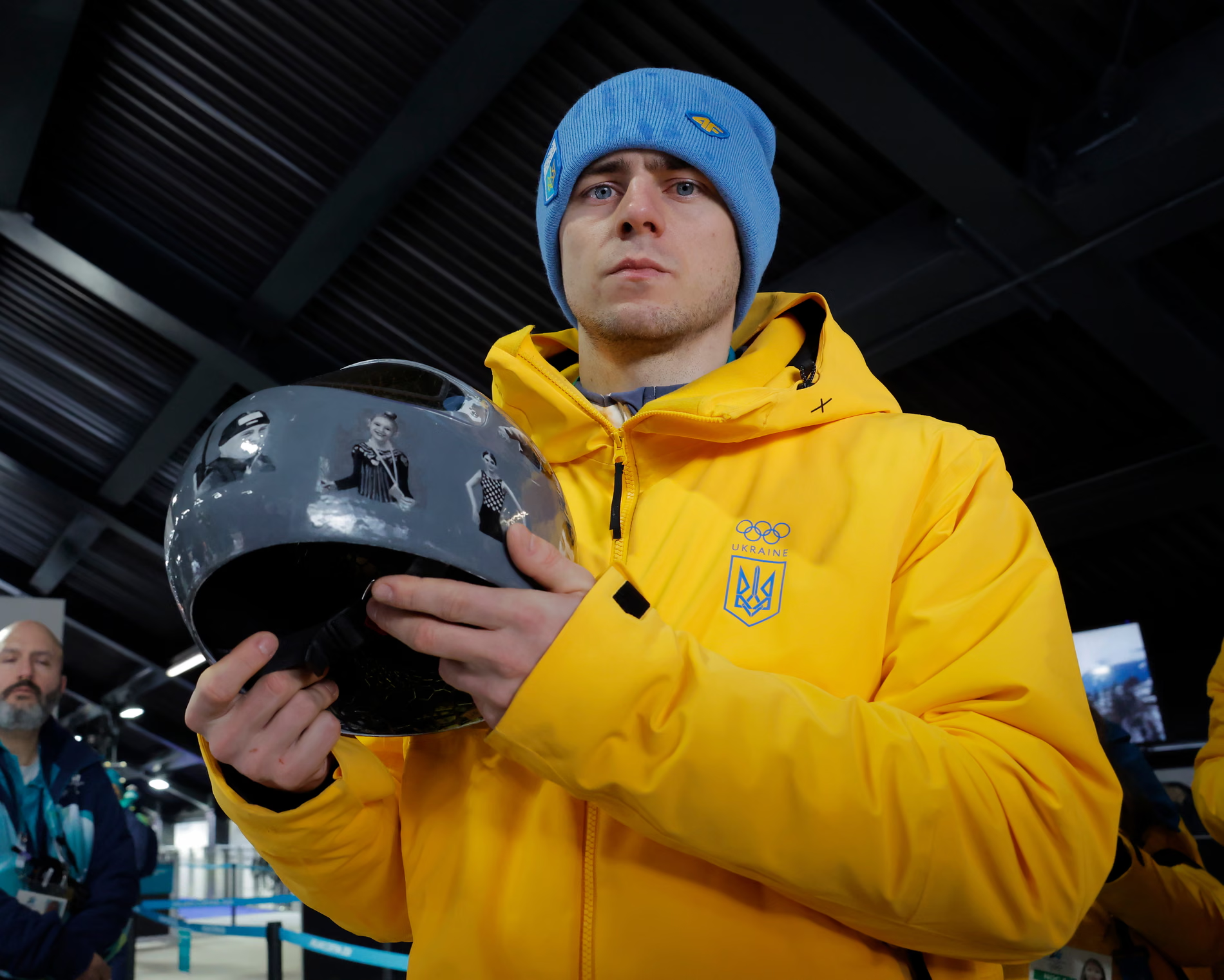
Ukrainian skeleton racer Vladyslav Heraskevych has accused the International Olympic Committee of amplifying Russian propaganda after he was barred from competing at the Winter Games over a planned tribute to Ukraine’s war dead.
The 27-year-old said he felt “emptiness” after being told he could not race because he wanted to wear what he called a “helmet of memory”. The design was intended to honour Ukrainians killed in the war, including athletes and coaches.
A last-minute decision before the race
Heraskevych was informed shortly before the skeleton competition that he would not be allowed to compete. Reporting on the incident described the move as coming minutes before his run.
He said training had gone well and believed he could have competed for a medal. He added that he wanted to honour those who had died and their families.
What the “helmet of memory” is
Heraskevych used the phrase “helmet of memory” for headgear carrying a memorial message linked to Ukraine’s war dead. It became the centre of a dispute over Olympic rules designed to limit political statements during competition.
The IOC said it tried to find alternatives that would allow remembrance without breaching the guidelines, according to multiple reports.
The IOC rule clash in plain terms
Olympic rules restrict political demonstrations at competition venues and during events. The IOC argued the helmet crossed that line while Heraskevych said it was about remembrance, not politics.
The incident has also intensified scrutiny of how consistently the rules are applied, with commentators describing the fallout as a significant reputational problem for the IOC.
Heraskevych’s warning about propaganda
Speaking after the decision, Heraskevych said he told IOC president Kirsty Coventry the situation “plays along with Russian propaganda” and “does not look good”. He still thanked her for meeting him early on the morning of the event and for what he described as kind words.
Reuters reported that Heraskevych planned to appeal the decision via the Court of Arbitration for Sport.
Why this matters beyond one event
For Ukraine, the dispute lands in a wider argument about visibility for wartime losses on the world’s biggest sporting stage. For the IOC, it reopens a difficult question about where remembrance ends and political expression begins, and who gets to decide in real time.
Heraskevych says the cost of silence is too high. The IOC insists its guidelines exist to keep competition free of political messages. The clash is now likely to continue through any appeal process, while the Games move on without one of Ukraine’s leading skeleton athletes