
UK Banks Found Failing Vulnerable Customers on Basic Account Access, Regulator Finds
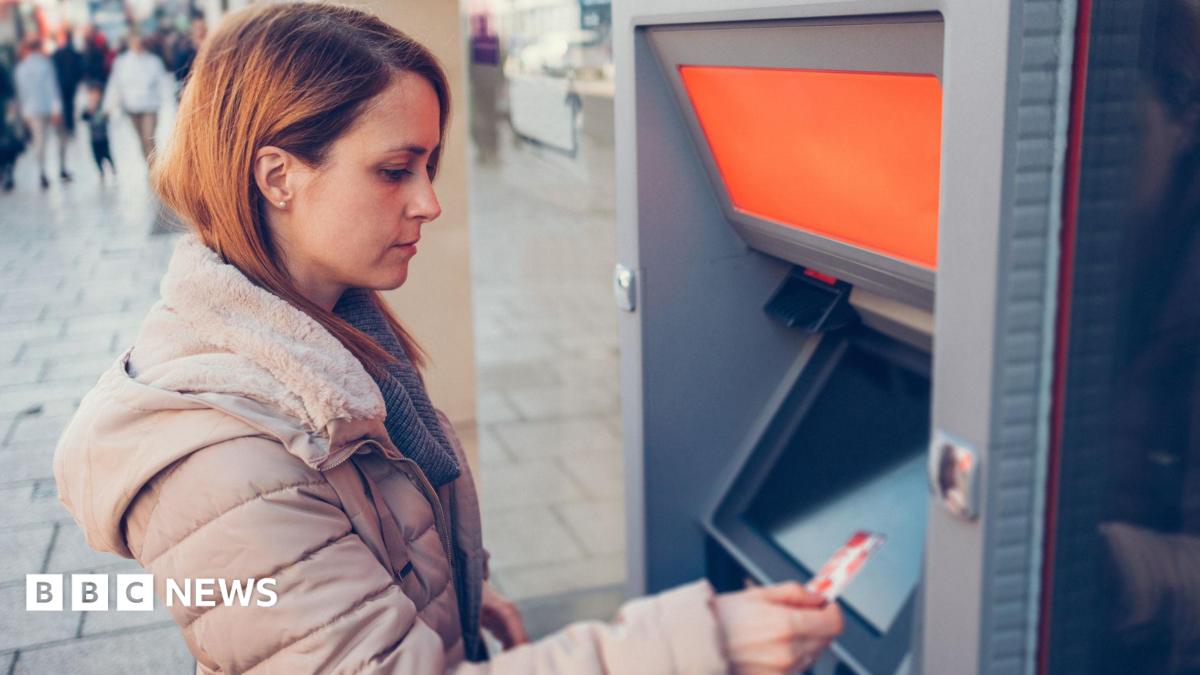
More than four million people in the UK hold basic bank accounts — free, overdraft-free accounts designed for those shut out of mainstream banking. The Financial Conduct Authority has now found that the institutions offering them have been systematically failing the people who need them most.
A mystery shopping exercise conducted by the FCA, covering 298 interactions across bank branches and telephone services, found that a third of experiences with basic bank accounts were rated poor or very poor. Only 28% were rated good or very good, with 38% assessed as fair, 20% as poor, and 14% as very poor. The findings point to a structural problem: banks were steering vulnerable customers — including homeless people and those in financial hardship — toward online applications unsuitable for their circumstances, while failing to proactively offer the basic accounts those customers were entitled to access.
Basic bank accounts accept wages and benefits, permit payments by debit card, direct debit, and standing order, and are available to people with poor credit histories, those who are bankrupt, or those subject to formal debt recovery arrangements. Crucially, they also carry provisions for people without a fixed address, with some banks working alongside charities to verify identity. What they do not carry is an overdraft — a deliberate design feature that protects financially precarious holders from accumulating debt. Nine institutions are obligated to offer them: Barclays, The Co-operative Bank, HSBC, Lloyds Banking Group (which includes Halifax and Bank of Scotland), Nationwide Building Society, NatWest (which includes RBS and Ulster Bank), Santander, TSB, and Virgin Money.
What the regulator found, and what banks have agreed to do
The FCA’s findings describe a gap between the formal existence of these accounts and their practical accessibility. Frontline staff in branches and on telephone lines were not consistently identifying customers who qualified, and in some cases were actively redirecting them to digital channels that posed additional barriers for people without stable housing or reliable internet access. For the most marginalised applicants — those without standard identification documents or a permanent address — the process was frequently opaque or obstructive.
Under pressure from the regulator, all nine banks and building societies have now agreed to a set of concrete commitments: to direct eligible customers to the right account from the outset, to simplify the process for those lacking conventional identification or a fixed address, and to offer non-digital alternatives to applicants in vulnerable circumstances. Emad Aladhal, the FCA’s director of retail banking, framed the issue plainly: “Bank accounts are important for financial inclusion, and this is about making sure the very people who could benefit from basic bank accounts are not missing out.” Peter Tyler, director of personal banking at trade body UK Finance, acknowledged that “more can be done to ensure consistently good outcomes for everyone,” and pointed to the Breaking the Cycle scheme — a collaboration between banks and housing charity Shelter — as an example of constructive engagement with the problem of account access for people with no fixed address.
Whether voluntary commitments will produce durable change remains an open question. The FCA’s exercise did not identify isolated failures by individual institutions; it documented a pattern across the sector. That pattern — of formal compliance with a financial inclusion framework combined with practical barriers that undermine its purpose — reflects a recurring tension between regulatory intent and institutional behaviour. The regulator has not disclosed whether enforcement action remains on the table if outcomes do not improve.