
Morrisons Offers £2,000 Incentive to Lure Convenience Store Franchisees Away from Rivals
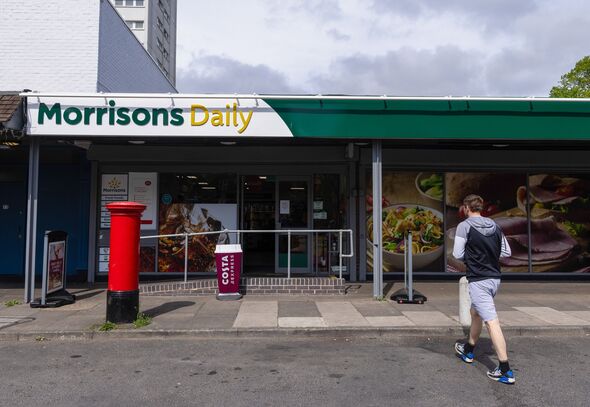
Britain’s fifth-largest supermarket by revenue is deploying a financial incentive to accelerate its expansion in the convenience store market, offering £2,000 to corner shop operators willing to abandon rival brands and affiliate with its Morrisons Daily franchise network. The scheme, announced at the company’s national franchise conference, targets franchisees currently operating under competing banners such as Tesco Express, Sainsbury’s Local, and Asda Express.
The £2,000 payment functions as a switching incentive — a direct financial inducement for independent store operators to transfer their allegiance. Alongside it, Morrisons has doubled the reward available to existing franchisees who successfully recruit new partners into the network, a mechanism the company calls a ‘refer a friend’ prize. A third measure, the so-called ‘Hot Weather Club’, promises registered store operators automatic deliveries of water and ice products whenever local temperatures reach 23°C or above, reducing the logistical burden on individual traders during peak demand periods.
Paul Dobson, Morrisons’ wholesale director, framed the announcements in the language of partnership rather than corporate strategy. “Our franchise partners are the engine for the future growth for Morrisons Daily,” he said, adding that the company is “entirely committed to supporting their businesses by reducing operational costs.” The rhetoric of mutual benefit is standard in franchise relationships, where the structural asymmetry between brand owner and operator tends to favour the former.
The Bradford-headquartered chain has operated since 1899, but its convenience store arm is comparatively young, having launched in 2015 in Crewe, Cheshire. Growth was modest until 2022, when Morrisons acquired the collapsed McColls newsagent chain out of administration — a business for which it had already served as sole supplier — and rebranded those outlets under the Daily name. That acquisition gave the network its current scale of more than 1,600 stores.
Approximately 600 of those stores, close to 40 per cent of the total, are run by franchisees rather than directly by Morrisons. The new incentive package signals that the company intends to grow that proportion, using independent operators as the primary vehicle for territorial expansion rather than investing directly in company-owned sites — a model that transfers operational risk downward while retaining brand control at the centre.
The convenience store segment has become a significant competitive battleground among Britain’s major supermarket groups, each of which has built out a network of smaller-format outlets to capture everyday shopping trips rather than weekly basket purchases. Morrisons’ current ranking — fifth by revenue, behind Tesco, Sainsbury’s, Asda, and Aldi — gives the incentive scheme a clear strategic rationale, even if £2,000 represents a modest sum relative to the costs and commitments a franchisee undertakes when switching brands.