
Trump Rejects Iran’s Ceasefire Offer as Nuclear Standoff and Strait of Hormuz Crisis Deepen

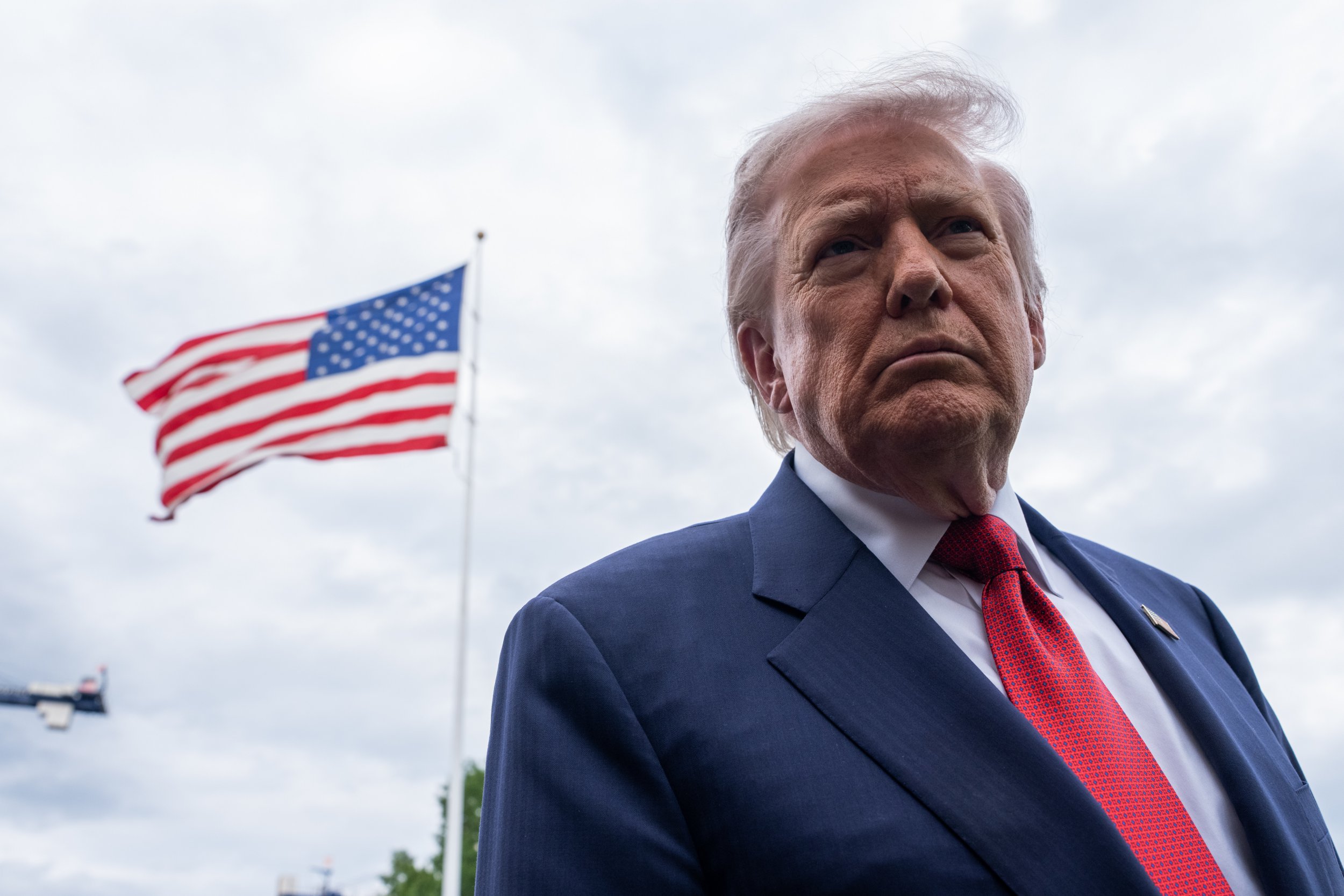
Trump Dismisses Iran’s Ceasefire Proposal as Negotiations Teeter on the Edge of Renewed Conflict
US President Donald Trump publicly rejected Iran’s ceasefire proposal on Sunday, declaring it “totally unacceptable” and warning that military hostilities could resume, as tensions over Iran’s nuclear programme and the blockade of the Strait of Hormuz continue to escalate.
Iran had submitted a comprehensive offer to end fighting across multiple fronts — including in Lebanon — and to guarantee the security of international shipping lanes. Washington had sought a deal that would reopen the Strait of Hormuz and roll back Iran’s nuclear capabilities.
Trump’s Public Rejection
Trump announced his rejection via Truth Social, writing: “I have just read the response from Iran’s so-called ‘Representatives.’ I don’t like it — TOTALLY UNACCEPTABLE!”
Without elaborating on the specific objections, he accused Tehran of “playing games” with the United States for nearly 50 years, adding: “They will be laughing no longer.”
US Ambassador to the United Nations Mike Waltz told ABC News that Trump was giving diplomacy “every chance we possibly can before going back to hostilities,” suggesting military options remain firmly on the table.
Strait of Hormuz and Oil Tanker Strikes
Iran has largely blocked the Strait of Hormuz, the strategic waterway through which a significant share of the world’s oil supply passes. Trump has repeatedly threatened to resume full-scale bombing if Iran does not agree to reopen the strait and curtail its nuclear programme.
On Friday, US forces struck two Iranian oil tankers that Washington said were attempting to breach the blockade. Iran’s Revolutionary Guard navy responded with a threat of “heavy assault” on US military bases in retaliation.
Enriched Uranium at the Centre of Dispute
A central sticking point in negotiations remains Iran’s stockpile of highly enriched uranium. According to the UN nuclear agency (IAEA), Iran currently holds more than 440 kilograms of uranium enriched to 60% purity — a technically short step from weapons-grade material.
Israeli Prime Minister Benjamin Netanyahu stated that the war could not be considered over while that stockpile remained in Iran. “Trump has said to me, ‘I want to go in there,’ and I think it can be done physically,” Netanyahu said, indicating possible coordination over a potential strike on Iranian nuclear facilities.
An Iranian military official, General Akrami Nia, acknowledged awareness of potential foreign operations targeting the uranium stockpile, saying: “We considered it possible that they might intend to steal it through infiltration operations or heli-borne operations.”
Diplomatic Breakdown Amid Escalatory Rhetoric
The rejection comes as both sides exchange increasingly bellicose signals. Iran’s offer had been framed as a broad de-escalation initiative spanning multiple regional theatres, yet it failed to meet the threshold Washington had set for acceptable terms.
With military strikes already underway against Iranian vessels, the Revolutionary Guard issuing retaliatory threats, and Netanyahu publicly discussing physical removal of Iran’s uranium stockpile, the diplomatic window appears to be narrowing rapidly.
The precise terms of Iran’s proposal, and the specific grounds on which the US rejected it, have not been made public by either government.