
UK Defence Secretary and Armed Forces Minister Resign Over Military Spending Shortfall, Plunging Starmer Into Crisis
Cabinet Resignations Over Defence Funding Shake Starmer Government
Defence Secretary John Healey and Armed Forces Minister Al Carns resigned from Sir Keir Starmer’s cabinet on Wednesday, accusing the prime minister of being “unwilling to commit the resources that the nation needs to defend the country at this time of rising threats.” Two parliamentary aides also quit, deepening a crisis that has intensified speculation about a Labour leadership challenge.
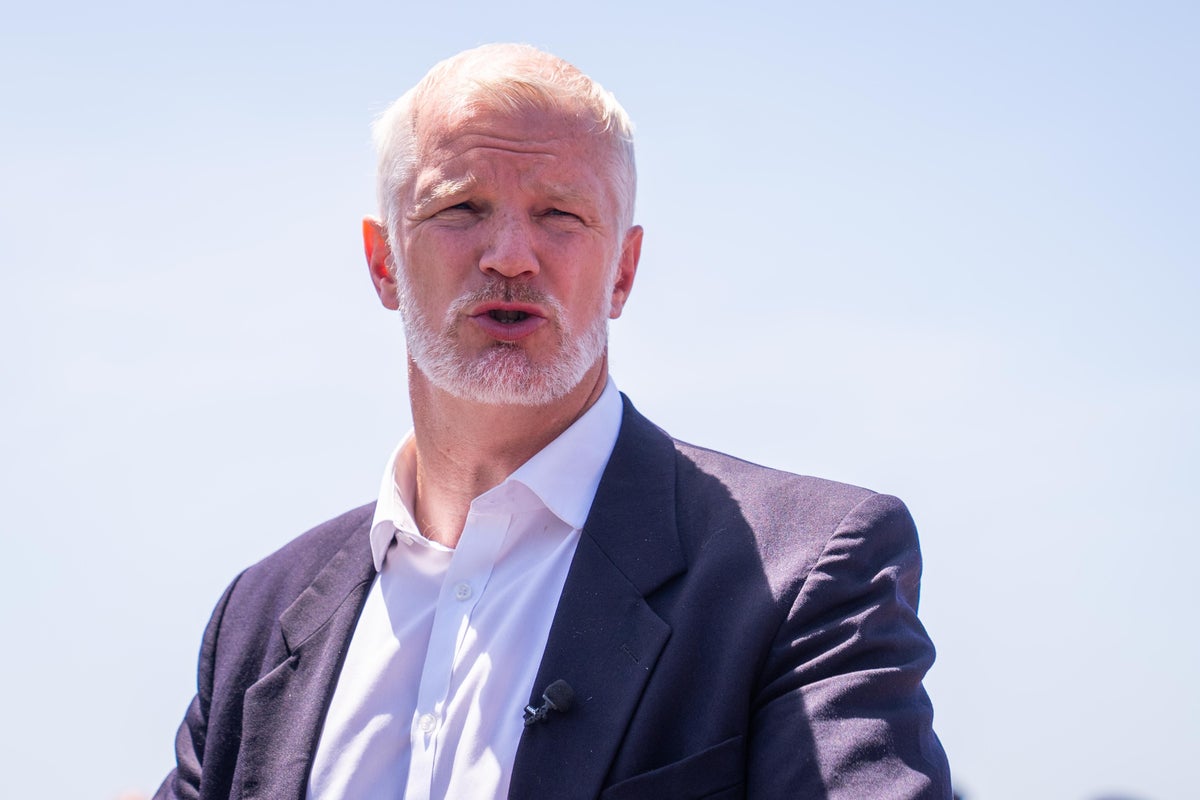
Starmer moved swiftly to contain the damage, appointing Dan Jarvis — a former Parachute Regiment officer and most recently security minister — as the new Defence Secretary. Jarvis is now tasked with defending a £13.5 billion uplift in defence spending that military chiefs have publicly stated falls short of what is required.
The Dispute: What Is the Defence Investment Plan?
At the centre of the crisis is the long-delayed Defence Investment Plan (DIP), which sets out how new military equipment and infrastructure will be funded over the next decade. In his resignation letter, Healey stated the plan “falls well short of what is required,” warning that the bulk of additional funding would not arrive until after 2030 — even though, in his words, “the imperative to speed up readiness to fight is in the first two years.”
The UK’s most senior military officer, Air Chief Marshal Sir Richard Knighton, had already written to the prime minister expressing concern that the proposed £13 billion increase was insufficient. His letter preceded the resignations by days.
Who Is Dan Jarvis?
Dan Jarvis brings rare dual credentials — military and political — to one of the most fraught briefs in government. He served in the Balkans, Sierra Leone, Afghanistan, Iraq and Northern Ireland as a member of the Parachute Regiment, and became the first serving Army officer since the Second World War to resign his commission to contest a parliamentary seat, winning the Barnsley Central by-election in 2011.
In 2018, Jarvis was elected as the inaugural Mayor of South Yorkshire. He was appointed Shadow Security Minister in September 2023 and had been serving as security minister in the Starmer government prior to his elevation.
Starmer’s Damage-Control Operation
Downing Street released footage Wednesday morning showing Starmer and Jarvis meeting with Air Chief Marshal Knighton — a move widely interpreted as an attempt to project stability. The video, however, carried no audio, leaving the substance of the conversation unknown.
Carns, despite his resignation, called on the government to “steady the ship,” telling GB News that Jarvis was “a good man” who would bring credibility to the defence portfolio. He nonetheless insisted the government must “find more resource to move this forward as fast as we can.”
Opposition Presses Its Advantage
Conservative leader Kemi Badenoch used the resignations to mount a direct attack on Starmer’s authority. “A prime minister who cannot command the respect of our military cannot continue in office,” she wrote on X, adding: “Britain’s national security must come before Keir Starmer’s ego.”
Former security minister Tom Tugendhat, speaking to LBC, framed the timing of the planned investment as strategically incoherent. “All of the promises that have been made — everything we heard about the defence investment plan — is that those promises will be coming roughly around the time the Russians will,” he said. “Frankly, that’s no good.”
Tugendhat argued that effective deterrence requires equipment to be procured and deployed well before a threat materialises, not concurrently with it.
Leadership Pressure Mounts
The resignations compound existing pressure on Starmer, who was already facing the prospect of a formal leadership challenge within the Labour Party. The loss of two senior cabinet ministers — including the defence secretary — over a core national security question has sharpened questions about whether his government retains the authority to govern effectively.
With conflicts ongoing in Ukraine and the Middle East, and Nato allies under sustained pressure to increase defence contributions, the political cost of the dispute over the DIP extends well beyond Westminster.