
San Francisco Archdiocese Agrees to $395 Million Settlement with Over 500 Clergy Abuse Survivors
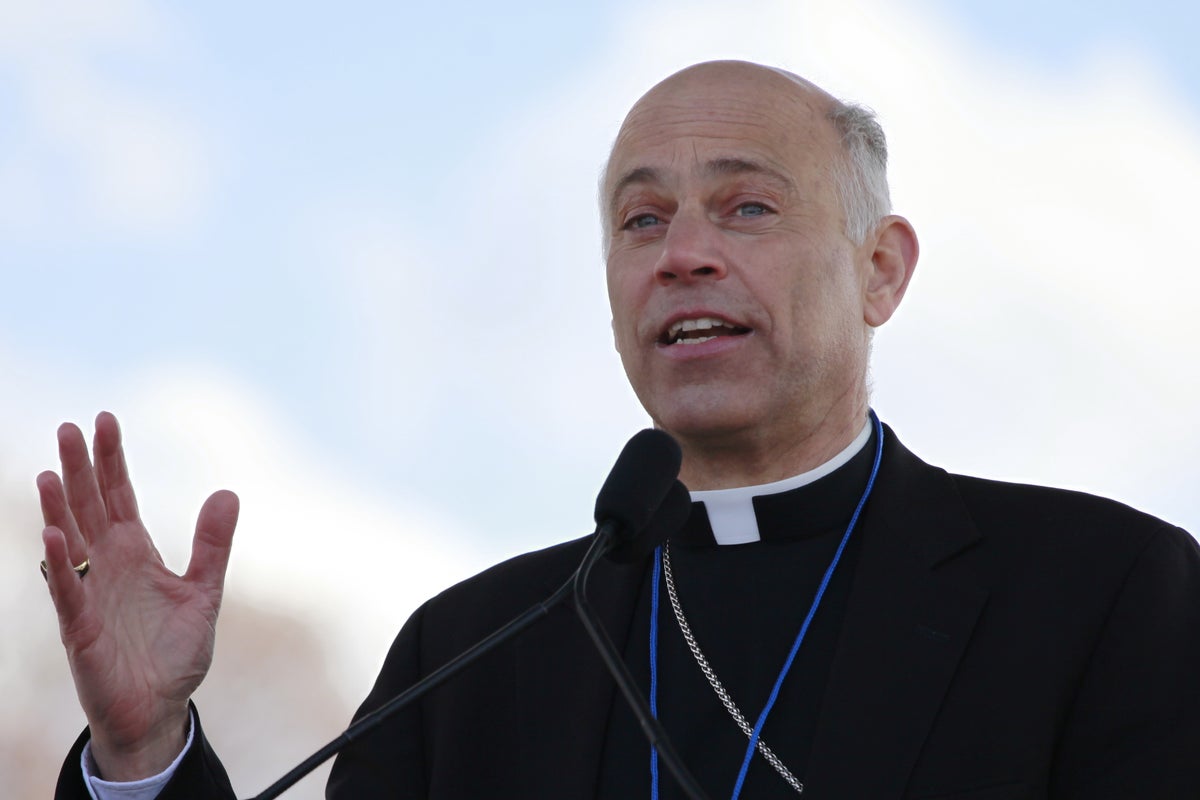
The Roman Catholic Archdiocese of San Francisco has reached a $395 million settlement resolving more than 500 lawsuits filed by survivors of child sexual abuse committed by church clergy, plaintiffs’ attorneys announced on Monday. The agreement, which concludes a bankruptcy process that began three years ago, covers approximately 530 survivors and imposes a set of structural accountability measures on the institution.
The Terms of the Agreement
The settlement’s financial component will be distributed through a process controlled by a survivor-led committee — individuals who spent thousands of hours over three years negotiating directly with Archbishop Salvatore Cordileone. Each survivor will have the opportunity to submit a personal account of the abuse they suffered to an independent allocator appointed by the committee, who will determine what plaintiffs’ attorney Jeff Anderson described as “an equitable distribution based on the unique circumstances of that survival.”
Beyond the monetary compensation, the archdiocese is bound by 14 child protection and transparency requirements. These include the mandatory maintenance and public disclosure of a comprehensive, regularly updated list of all clergy accused of abuse, including the nature of allegations and outcomes of any investigations. The archdiocese is also prohibited from imposing confidentiality agreements that would silence survivors — a practice that has historically shielded institutions from public scrutiny at the direct expense of those harmed.
Archbishop Cordileone is further required to write a personal apology letter to each survivor. In a public statement, he said the archdiocese “accepts full responsibility for what happened” and expressed hope that the settlement would allow all parties “collectively to move forward.” Such declarations, however carefully worded, carry weight only insofar as the structural reforms they accompany prove durable and enforceable.
Survivors’ Accounts and the Weight of Institutional Silence
For many of the 530 individuals covered by this agreement, the harm extends across decades. Margie O’Driscoll, who alleges she was sexually abused nearly fifty years ago by a priest while a student at Marin Catholic High School in Kentfield, spoke at a press conference with a directness that institutional statements rarely match. “I, like every survivor, have carried this pain and shame along like a ball and chain for a very, very long time,” she said, describing years of being scorned by the archdiocese and disbelieved by those closest to her. “Today shame is gonna change sides.”
Her words articulate something the legal record alone cannot: the compounding damage wrought not only by the original abuse but by the institutional apparatus that denied, minimised and suppressed it.
A Pattern Across California
The San Francisco settlement is the latest in a sequence of large-scale financial resolutions arising from a pivotal 2019 California law that temporarily lifted statutes of limitations on historical abuse claims, allowing decades-old lawsuits to be filed through 31 December 2022. Several California archdioceses subsequently filed for bankruptcy under the weight of resulting litigation. In 2024, the Archdiocese of Los Angeles agreed to what was then a record $880 million settlement, establishing a grim benchmark against which subsequent agreements are now measured.
The San Francisco Archdiocese serves approximately 440,000 Catholics across San Francisco, Marin and San Mateo counties. The institution’s bankruptcy filing, its eventual emergence through settlement, and the transparency obligations now imposed on it represent, at minimum, a partial accounting — one that took legislative intervention, years of litigation, and the sustained pressure of survivors organised enough to negotiate the terms of their own redress.
The Accountability Standard Being Set
Anderson, who has represented abuse survivors for decades, described the non-financial provisions as unprecedented in his experience — “the most significant, rigorous and robust” demands he has seen imposed on any archdiocese. Whether that assessment proves accurate over time will depend on enforcement mechanisms and the willingness of civil society and regulators to hold the institution to its commitments.
What the settlement does not resolve — and cannot — is the question of how the conditions for systematic abuse were created and sustained within these institutions over generations, or what accountability, if any, attaches to those in positions of authority who chose concealment over disclosure. Financial settlements close legal chapters. They do not, by themselves, close institutional ones.