
Threats Against US Judges and the Erosion of Judicial Independence
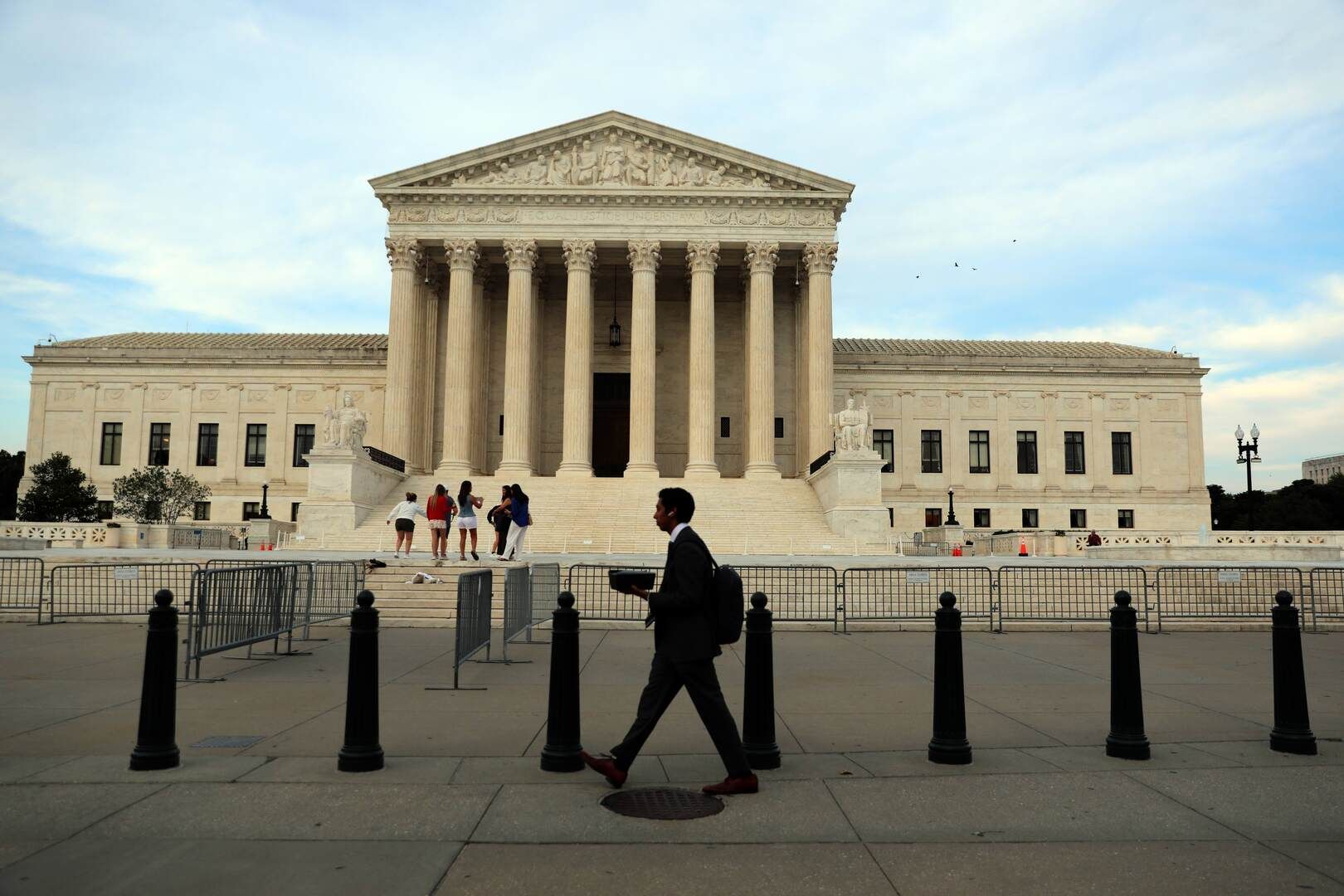
The integrity of the United States Supreme Court — and of the federal judiciary more broadly — is facing pressures that constitutional scholars describe as structurally corrosive. Kim Wehle, a constitutional law professor and former assistant United States attorney, has issued a pointed warning: when judicial decisions are shaped by loyalty to individuals or ideological factions rather than by law, the institutional architecture of democratic governance begins to fracture. The concern is not abstract. It is traceable, documented, and accelerating.
Threats against sitting judges have risen with measurable consistency in recent years, a pattern that carries consequences well beyond the personal safety of those targeted. Judicial independence does not survive through goodwill alone. It requires structural insulation from political pressure — insulation that depends, in part, on an environment in which judges can rule without credible fear of retaliation. When that environment degrades, the chilling effect on jurisprudence is real, even if it is rarely acknowledged from the bench. The law bends before it breaks.
Wehle’s analysis situates this erosion within a broader accountability crisis. The rule of law, as a functional rather than ceremonial concept, demands that no actor — however powerful, however politically entrenched — stands above the legal order. That principle is not self-enforcing. It depends on institutions willing to apply it uniformly, and on a political culture that treats judicial authority as legitimate even when its rulings are unwelcome. Both conditions are under strain. Neither strain is new, but the current intensity represents a qualitative shift that warrants precise scrutiny.
The Supreme Court itself has not been immune to legitimacy questions arising from within its own conduct. Undisclosed gifts, questions of recusal, and the absence of a binding ethics code enforceable by any external mechanism have all contributed to a portrait of an institution that holds others to standards it does not apply to itself. These are not peripheral concerns. They bear directly on whether the Court can credibly function as the final arbiter of constitutional meaning in a system that has no higher enforcement mechanism when the Court itself is the subject of scrutiny.
International human rights frameworks, including those developed under United Nations instruments on the independence of the judiciary, establish baseline standards that apply to all states regardless of their domestic constitutional arrangements. By those standards, a judiciary subject to intimidation campaigns, operating without enforceable ethics rules, and functioning in an environment where its authority is selectively respected by the executive branch, faces a legitimacy deficit with systemic implications. The United States has long positioned itself as a model of constitutional governance. That positioning is increasingly difficult to sustain without confronting these structural failures honestly.
Wehle’s warning deserves to be read not as partisan commentary but as institutional diagnosis. Democracy does not require perfect courts. It requires courts that are, in practice, independent — insulated from the threat of violence, from political capture, and from the logic that judicial outcomes should track the preferences of whoever currently holds executive power. When those conditions erode, the consequences extend far beyond any single ruling or any single term. They reshape what law means, and for whom it works.