
Ireland Sells €17 Million Drug Seizure Vessel for One Euro After Record Cocaine Haul
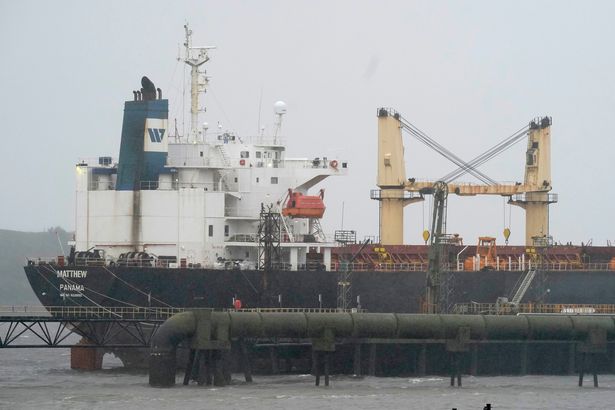
The Irish state has sold a vessel that once carried the largest drug haul in the country’s history for a single euro — after spending approximately €17 million to maintain it in a Cork port over several years. The transaction, completed with an unnamed shipping company, raises pointed questions about asset forfeiture policy, state liability, and the long-term costs of prosecuting large-scale maritime drug operations.
The ship at the centre of the case is the MV Matthew, a nearly 200-metre Panama-registered cargo vessel intercepted in international waters after sailing from Curaçao, off the coast of Venezuela, across the Atlantic toward Ireland. Aboard it, authorities found 2.2 tonnes of cocaine — a quantity Irish officials described as the largest ever seized in the state’s history and among the most significant in Europe in recent years.
The interception itself was operationally significant. Irish Naval Service vessels pursued the MV Matthew as it performed evasive manoeuvres in adverse weather conditions. Elite Army Ranger Wing personnel then abseiled onto the ship to secure it. The operation involved multiple Irish state agencies coordinating in real time under difficult conditions at sea.
Eight crew members, nationals of several countries including the Netherlands and Iran, were subsequently tried and convicted. In 2025, they received combined custodial sentences totalling 121 years. The cocaine aboard carried an estimated street value of approximately £133.5 million.
Once the vessel passed into state custody, however, the legal victory gave way to an administrative burden of considerable scale. Because of the MV Matthew’s size, Irish Revenue — the agency responsible for its management — was required to keep it continuously crewed, insured, fuelled, and maintained. The Port of Cork faced operational and environmental risks from the ship’s prolonged presence, compounding the pressure on state resources.
A government statement acknowledged the full scope of those costs: “Given its size, the MV Matthew represents a significant environmental and ecological risk, as well as an economic risk to the operations of the Port of Cork, requiring it to be crewed and maintained on a continuous basis.” The statement further listed insurance, provisioning, bunkering, berthage fees, and essential repairs among the categories of expenditure incurred since the vessel’s detention.
The cumulative cost reached approximately €17 million before the sale was finalised. The price recovered: one euro. The unnamed buyer is now relocating the MV Matthew from Cork to Varna, Bulgaria.
The arithmetic is stark, and it illuminates a structural problem that extends well beyond this single case. When states seize large assets — particularly vessels of significant tonnage — they assume ongoing liabilities that can dwarf the operational value of the seizure itself. The drugs were destroyed or secured as evidence; the ship remained, accumulating costs. No legal framework compelled a faster resolution, and no buyer emerged willing to pay a market rate for a vessel so publicly associated with criminal proceedings.
The outcome is not evidence of corruption or deliberate mismanagement, but it does expose an accountability gap in how European states handle the physical consequences of large-scale interdictions. Seizing a ship is a law enforcement success. Absorbing years of maintenance costs and then disposing of the asset for a nominal sum is a policy failure of a quieter, more bureaucratic kind — and one that deserves scrutiny proportionate to the public funds involved.