“Feminist” Framing at Far-Right UK Rally Draws Backlash After Women Wear Niqabs to Incite Crowd
“Feminist” Framing at Far-Right UK Rally Draws Backlash After Women Wear Niqabs to Incite Crowd
A group of female activists appeared at a far-right rally in the United Kingdom dressed in niqabs and long robes, then used their own clothing as a prop to solicit condemnation from the crowd — a performance that has drawn sharp criticism from Muslim communities, civil liberties advocates, and feminist scholars who say it exemplifies a growing tactic of repackaging anti-Muslim prejudice as women’s rights advocacy.
What Happened
The activists took to the stage in full face-covering dress before encouraging attendees to denounce the garments they were wearing. The stunt was framed, by those involved, as a feminist statement against the oppression of Muslim women.
Critics argue the spectacle did the opposite — using Muslim women’s clothing as a symbol of threat while giving no platform to Muslim women themselves.
A Documented Pattern
The incident is not isolated. Researchers tracking the European far right have documented a sustained rhetorical shift in which movements historically hostile to gender equality have adopted the language of feminism, LGBTQ+ rights, and secularism to legitimise opposition to Muslim immigration and Islamic practice.
This framing — sometimes labelled femonationalism in academic literature — positions Muslim communities as uniquely and incompatibly patriarchal, while deflecting scrutiny from gender-based violence and inequality within majority-white, non-Muslim contexts.
Who Are These Activists?
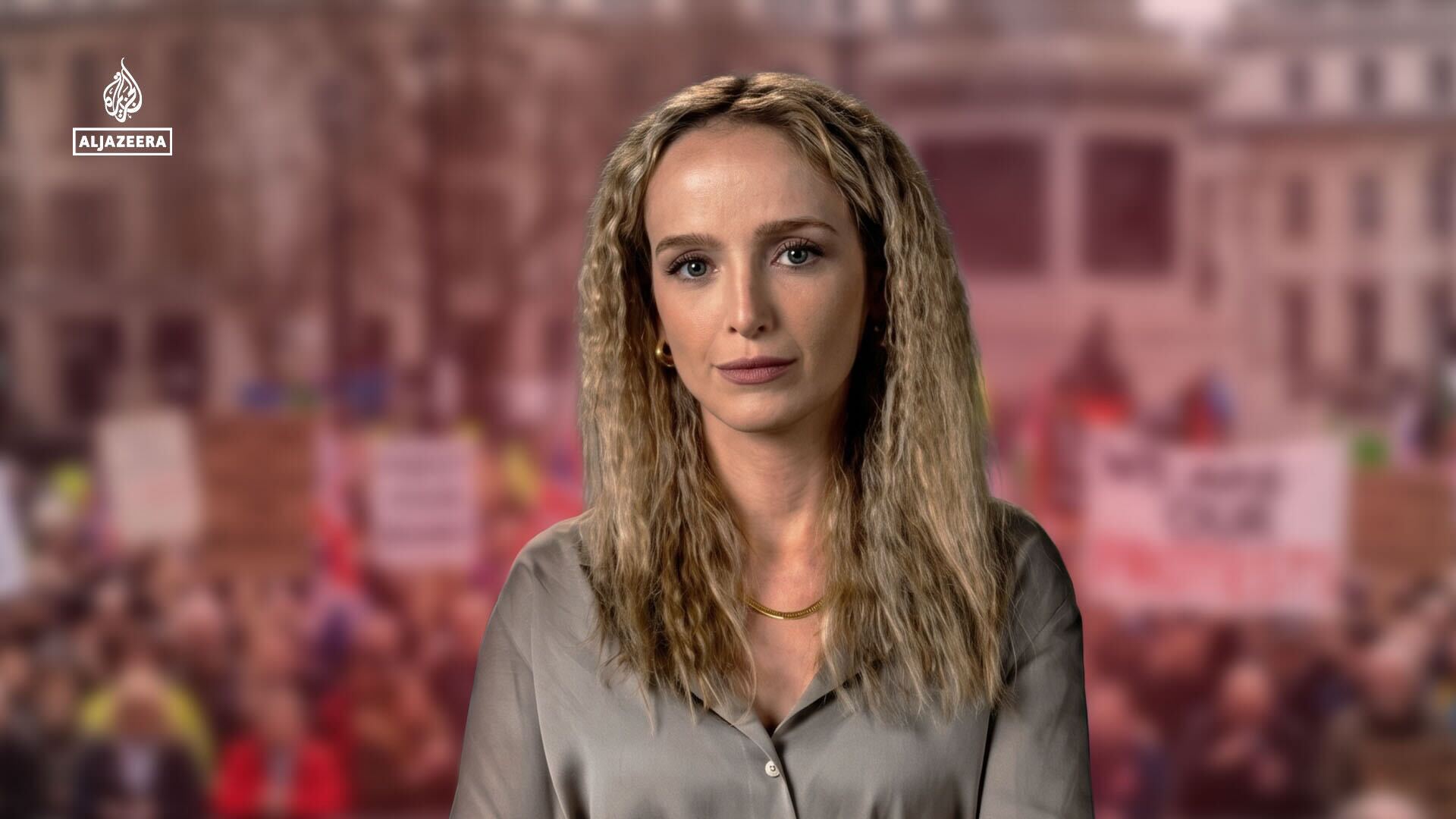
Al Jazeera correspondent Ava Warriner has investigated the individuals and networks behind the rally appearance. The women involved are connected to far-right organisational structures in the UK, though they present publicly under feminist or secularist branding.
Their affiliations raise questions about the authenticity of the feminist framing and the degree to which such messaging serves as political cover for ethno-nationalist mobilisation.
The Broader Stakes
The controversy arrives amid heightened tensions over the policing of religious dress in Europe, ongoing parliamentary debates in the UK about hate crime definitions, and a documented rise in anti-Muslim incidents recorded by monitoring groups including Tell MAMA.
For Muslim women who choose to wear the niqab, advocates say the rally stunt compounds a double erasure: their agency is denied, and their image is weaponised — without their consent or voice.