
Dying Victim Handcuffed While Attacker Went Free: The Henry Nowak Case Exposes Critical Failures in Police Response
Dying Victim Handcuffed While Attacker Went Free: The Henry Nowak Case Exposes Critical Failures in Police Response
Henry Nowak, an 18-year-old University of Southampton student, was stabbed five times with an eight-inch blade by Vickrum Digwa as he walked home from a night out in December 2023. As Henry lay bleeding on the ground, Hampshire Police officers handcuffed him — the victim — after Digwa accused him of racism. Henry lost consciousness before receiving medical attention. Digwa was never restrained.
What the Bodycam Footage Shows
Hampshire Police released bodycam footage this week documenting the officers’ response to the scene. The footage shows Henry telling officers he could not breathe on nine separate occasions, and stating four times that he had been stabbed. Officers did not treat him as a victim requiring emergency care.
Digwa, who claimed he carried the blade for religious reasons, faced no restraint despite being the individual who had inflicted the wounds. He was later convicted of Henry’s murder at Southampton Crown Court.
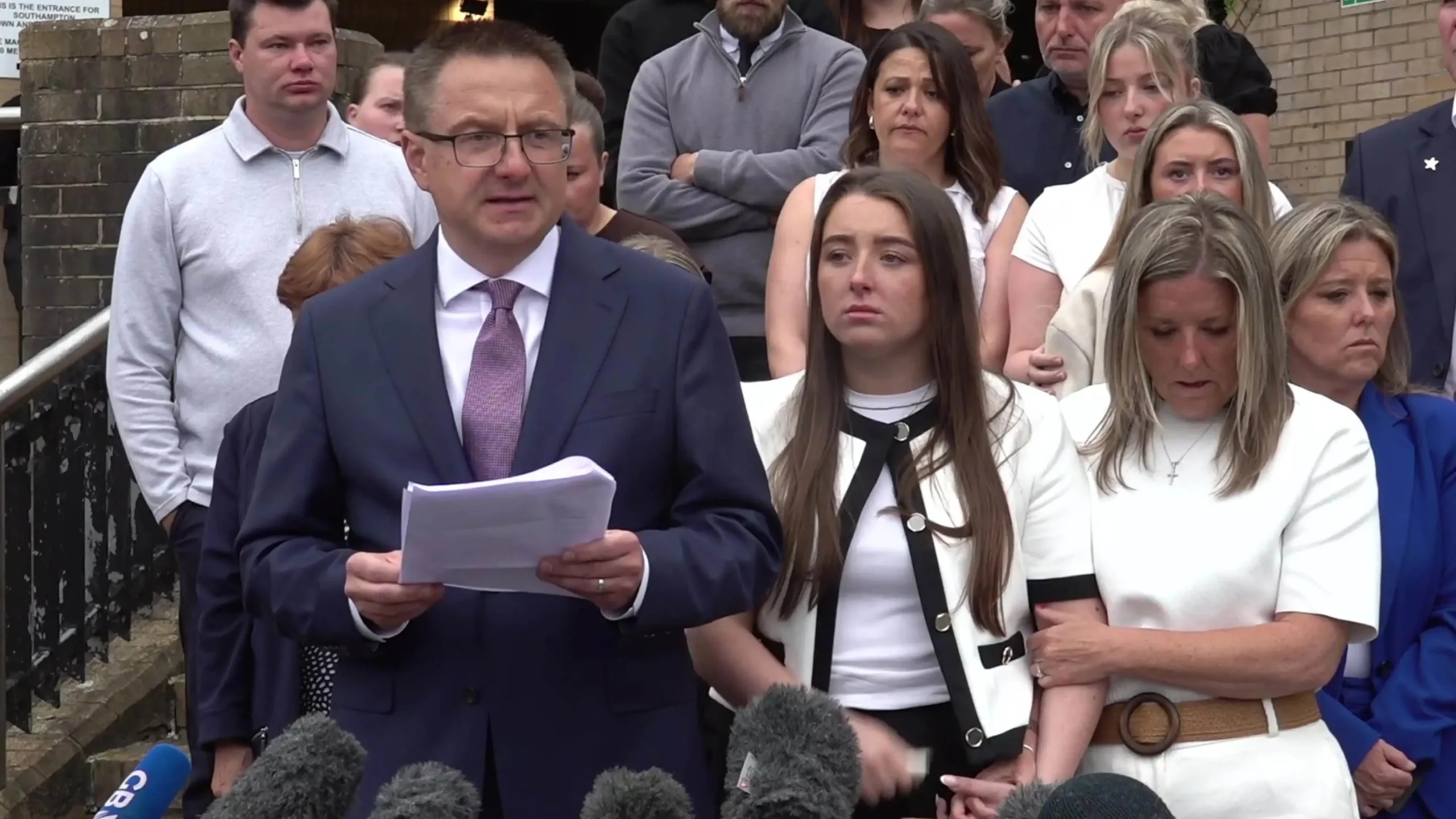
Speaking outside the court, Henry’s father Mark stated that his son “did not die with dignity” and “did not die with the care he deserved,” adding that Henry “lost consciousness before anyone believed him.” Mark Nowak described the racism allegation made against his son as a “wicked lie.”
An Ongoing Investigation
The Independent Office for Police Conduct (IOPC) has opened an investigation into the officers’ conduct at the scene. The central question under scrutiny is why officers immediately credited an unsubstantiated allegation of racism over the repeated, specific statements of a dying stabbing victim.
The IOPC investigation is continuing, and no officers have yet faced formal disciplinary proceedings as a result of their actions that night.
A Pattern of Institutional Failures
The Nowak case is not isolated. A series of documented failures across British public institutions has raised serious questions about whether fear of being perceived as racist has, in specific circumstances, displaced core safeguarding and public safety obligations.
In June 2023, Valdo Calocane stabbed two university students and a school caretaker to death in Nottingham. Calocane had been known to mental health authorities for years. According to subsequent reviews, NHS professionals had been directed to consider the “over-representation of young black males in detention” when making sectioning decisions — a factor that reportedly influenced the failure to detain him before the killings.
Baroness Casey’s rapid review into child sexual exploitation by organised grooming networks found that agencies across multiple towns and cities had “avoided the topic altogether for fear of appearing racist, raising community tensions or causing community cohesion problems.” Thousands of children, predominantly girls, were subjected to serious sexual abuse over decades. Official inquiries have established that police forces, local councils, and care providers failed to act — and in some cases actively suppressed information.
In 2022, the IOPC recommended that police forces reduce their use of stop and search powers, citing disproportionate use against ethnic minority individuals. Critics, including some within policing, have argued that the policy has reduced an evidence-based crime prevention tool without adequately accounting for its protective effects across all communities.
Last week, a whistleblower from West Yorkshire Police stated she had been removed from her role as chair of a hate crime panel after questioning whether the force’s resources were appropriately allocated between online speech monitoring and other crime priorities.
Accountability and Structural Questions
The Henry Nowak case raises questions that extend beyond the conduct of individual officers. How institutional guidance, training frameworks, and legal obligations — including public sector equality duties — shape operational decision-making in real-time emergencies is now under scrutiny.
Public sector equality duties, enshrined in the Equality Act 2010, require institutions to have due regard to the elimination of discrimination. Critics argue that the implementation of these duties has, in some contexts, produced risk-averse behaviour that distorts professional judgment in ways that carry direct costs to public safety.
Defenders of equality training and anti-discrimination frameworks argue that the failures identified in these cases reflect poor implementation and individual misconduct, not the frameworks themselves — and that dismantling equality obligations risks compounding, rather than correcting, systemic injustice.
The IOPC investigation into the Nowak case will be closely watched as a test of whether accountability mechanisms can adequately address failures of this kind. Henry Nowak was 18 years old. He told officers he was dying. He was not believed.