
Rubio Heads to Gulf States to Press Iran on Hormuz Access and Nuclear Deal Terms
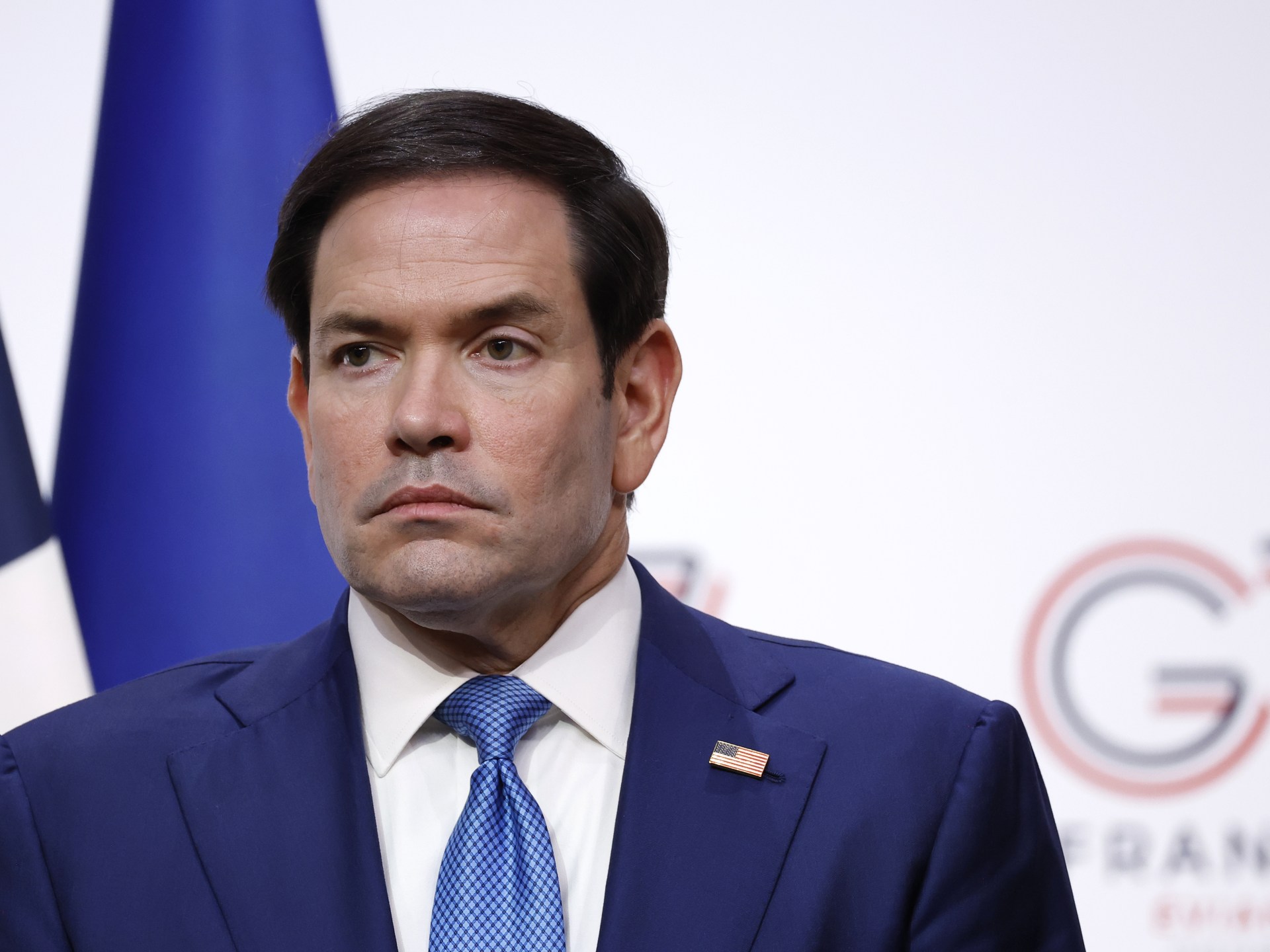
US Secretary of State to Visit UAE, Kuwait and Bahrain for Talks on Iran MoU and Strait of Hormuz
Secretary of State Marco Rubio will travel to the United Arab Emirates, Kuwait and Bahrain from June 23–25 to discuss the fragile memorandum of understanding with Iran and the contested future of transit through the Strait of Hormuz, the US State Department announced Monday.
The visit comes as Washington and Tehran navigate a complex negotiating period defined by the joint MoU that suspended hostilities between the two countries — an agreement that halted fighting but left critical questions about regional security and maritime access unresolved.
Hormuz Transit Remains Far Below Pre-War Levels
The Strait of Hormuz — the world’s most strategically significant oil and gas corridor — has not recovered to pre-war traffic volumes since Iran declared the waterway shut during the conflict triggered by the US and Israeli military campaign against Iran in late February.
Data analytics firm Kpler recorded just 71 vessel transits over the weekend, against a pre-war daily average of between 100 and 131 vessels. While traffic has increased since the MoU was signed, the gap remains substantial.
The State Department statement said Rubio would address “efforts to secure full and free safe transit through the Strait of Hormuz” — language that signals Washington’s concern over Iranian intentions once the MoU’s protections expire.
Iran’s Transit Fee Threat Clouds Negotiations
The MoU explicitly prohibits Iran from levying transit fees during a 60-day negotiation window. Iranian officials have publicly indicated they intend to impose such fees once that period ends, a position that directly challenges the principle of free passage through an international waterway.
The State Department’s emphasis on “full and free safe transit” suggests the issue has become a central sticking point in ongoing talks.
Gulf Neighbours Caught Between Washington and Tehran
In Bahrain, Rubio will meet with the Gulf Cooperation Council (GCC) — comprising Saudi Arabia, Qatar, Oman, Kuwait, the UAE and Bahrain — to discuss what the State Department described as “shared priorities across the region.”
The meeting carries particular weight given the strains the conflict imposed on US security partnerships in the Gulf. Iranian strikes on countries hosting US military bases, including attacks on civilian infrastructure, raised pointed questions about the reliability of American security guarantees and the costs borne by Gulf states aligned with Washington.
While the MoU was broadly welcomed across the Middle East as a halt to hostilities, its terms remain contested and its durability uncertain. Rubio’s three-country tour reflects the urgency Washington attaches to consolidating Gulf support before the negotiation window closes.