
Israel’s Government Declares It Will Defy Supreme Court — A Constitutional Crisis Unfolds
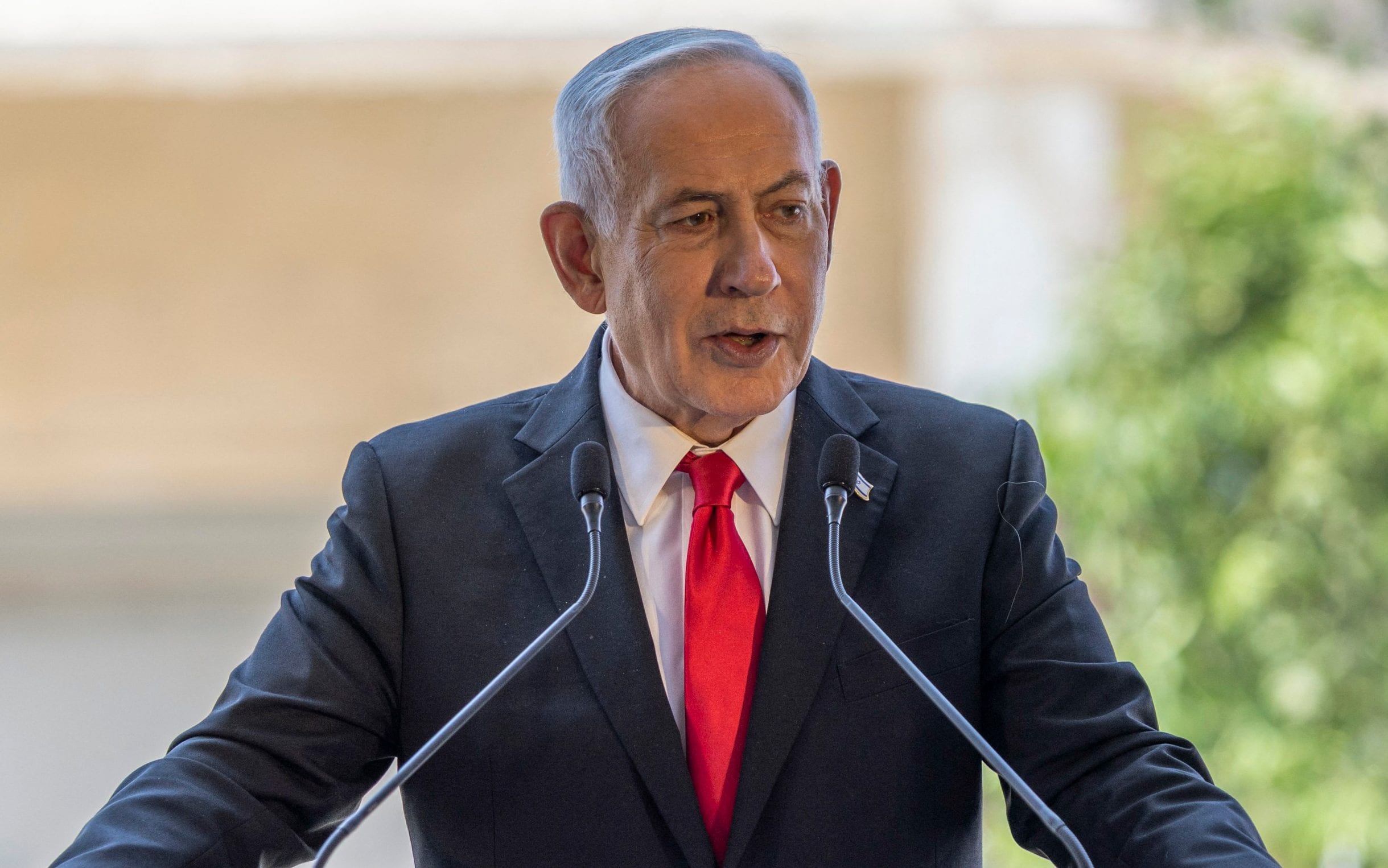
The Israeli government has announced it will refuse to comply with a ruling by the country’s Supreme Court — a move without precedent in Israel’s modern history, and one that has sent the country’s already fractured political establishment into open crisis.
The decision centres on a regulatory dispute that is, in substance, a struggle over media ownership and political control. At issue is a proposed buyout of Channel 13, one of Israel’s main commercial television networks, by a consortium of high-tech entrepreneurs led by a prominent government critic. The deal requires approval from the Second Authority for Television and Radio, the statutory body overseeing commercial broadcasters — a body that has been effectively paralysed after a wave of resignations stripped its council of the legal quorum required under Israeli law.
Last month, the Supreme Court intervened. It ruled that the authority should continue operating on a temporary basis, allowing it to approve licences, ownership changes, and other regulatory decisions despite the vacancies. The government’s response, issued Sunday in a joint statement by Communications Minister Shlomo Karhi and Justice Minister Yariv Levin, was categorical: it would not recognise any decision, approval, appointment, or action taken by the council so long as it failed to meet the minimum legal requirements established by statute.
The ministers argued the court had overstepped — that it had, in effect, rewritten legislation it had no authority to amend. Karhi went further, accusing the court of being “drunk with power.”
A Precedent With Consequences
The reaction from across the political spectrum was swift and, in some quarters, alarmed. Naftali Bennett, the former prime minister, called it “a severe and dangerous breach of trust by the government toward the state.” He warned that a government willing to defy court rulings risked producing “anarchy in the streets and the dismantling of our state.” Yair Lapid, the opposition leader, was blunter still: a government that ignored the Supreme Court, he said, had immediately rendered itself illegal.
These are not marginal voices. Their alarm reflects a structural concern — that the executive branch has now openly asserted the right to nullify judicial oversight when it finds that oversight inconvenient.
Organisations that petitioned the court, including the Union of Journalists in Israel and the Movement for Quality Government, have accused Karhi of deliberately engineering the authority’s paralysis to block the Channel 13 transaction. The Supreme Court’s interim ruling last month gave weight to that accusation: it strongly suggested the minister had improperly interfered with the regulator’s operations to prevent the deal from advancing. The government’s Sunday declaration is, in that light, less a principled constitutional objection than a continuation of the same interference by other means.
The timing is not incidental. Israel is expected to hold national elections within months. The regulator’s influence over commercial broadcasting and media ownership makes it a significant lever in the political contest ahead. Under Prime Minister Benjamin Netanyahu, the government has pursued a sustained effort to reshape the judiciary — a campaign that provoked months of mass street protests before the Hamas attacks of October 7, 2023 temporarily suspended the domestic political confrontation. That confrontation has now resumed, in a sharper form.
What distinguishes this moment is not merely the substance of the dispute but the method of resistance. Governments contest court rulings through appeals, through legislation, through political pressure. They do not, in functioning constitutional democracies, announce in advance that they will simply disregard them. Israel has now done exactly that.