
UK Government Extends Boiler Upgrade Scheme to Cover Free Air-to-Air Heat Pumps Worth £2,500
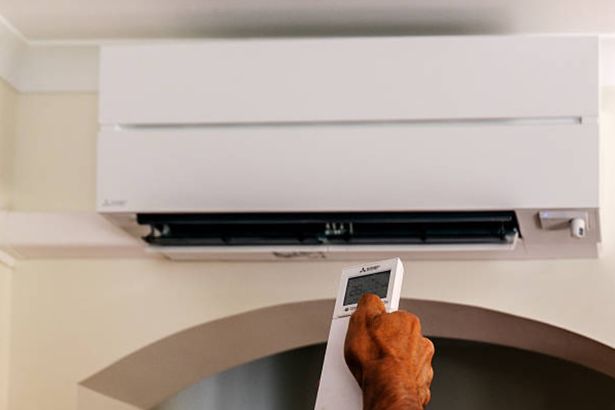
A little-publicised expansion of the UK government’s Boiler Upgrade Scheme (BUS) is opening the door for thousands of households in England and Wales to install air-to-air heat pumps with grants of up to £2,500. The move effectively brings modern air conditioning within reach for many homeowners at little to no upfront cost, marking the first time this type of technology has been included under the government’s flagship clean heating incentive.
Unlike traditional air conditioning systems, air-to-air heat pumps are reversible units capable of both cooling homes during increasingly frequent summer heatwaves and providing efficient heating throughout the winter. Because they transfer heat rather than generate it directly, they consume significantly less electricity than conventional electric heaters, making them an increasingly attractive option as the UK seeks to reduce carbon emissions while helping households manage long-term energy costs.
The financial incentive is particularly notable given current installation costs. Industry platform Checkatrade estimates that installing a single-room air conditioning system typically costs around £1,900, meaning the new £2,500 grant could cover the entire expense for many eligible households. Larger multi-room installations would still require homeowners to contribute toward the remaining cost, but the subsidy substantially lowers one of the biggest barriers to adoption.
Eligibility, however, is not universal. The scheme is primarily intended for homeowners replacing existing fossil-fuel or standard electric heating systems with qualifying low-carbon alternatives. Most newly built properties, social housing, and households that have already received government support for heat pumps or biomass boilers are excluded from the programme. Each property can receive only one BUS grant.
The application process also differs from many government grant schemes. Homeowners cannot submit applications themselves; instead, they must first obtain a quotation from a Microgeneration Certification Scheme (MCS)-certified installer. If the property qualifies, the installer applies to Ofgem on the homeowner’s behalf, and the grant is deducted directly from the installation invoice rather than being paid to the customer afterwards.
The timing of the expansion is significant. Britain has experienced a succession of unusually hot summers in recent years, with more frequent heatwaves increasing demand for residential cooling. While air conditioning has historically been uncommon in UK homes, rising temperatures are gradually changing consumer behaviour, prompting policymakers to recognise cooling as an increasingly important aspect of climate resilience alongside winter heating. Government ministers have argued that air-to-air heat pumps offer “the best of both worlds” by delivering year-round climate control while supporting the country’s broader decarbonisation goals.
Despite the generous level of financial support, early uptake appears to have been relatively modest. Analysts suggest that limited public awareness, combined with the installer-led application process, may be slowing adoption even as demand for cooling grows. Whether the expanded Boiler Upgrade Scheme becomes a mainstream route to affordable home climate control will likely depend on greater public awareness and the willingness of certified installers to actively promote the available funding.