
Ebola Response Workers Strike in DR Congo as Death Toll Surpasses 1,400
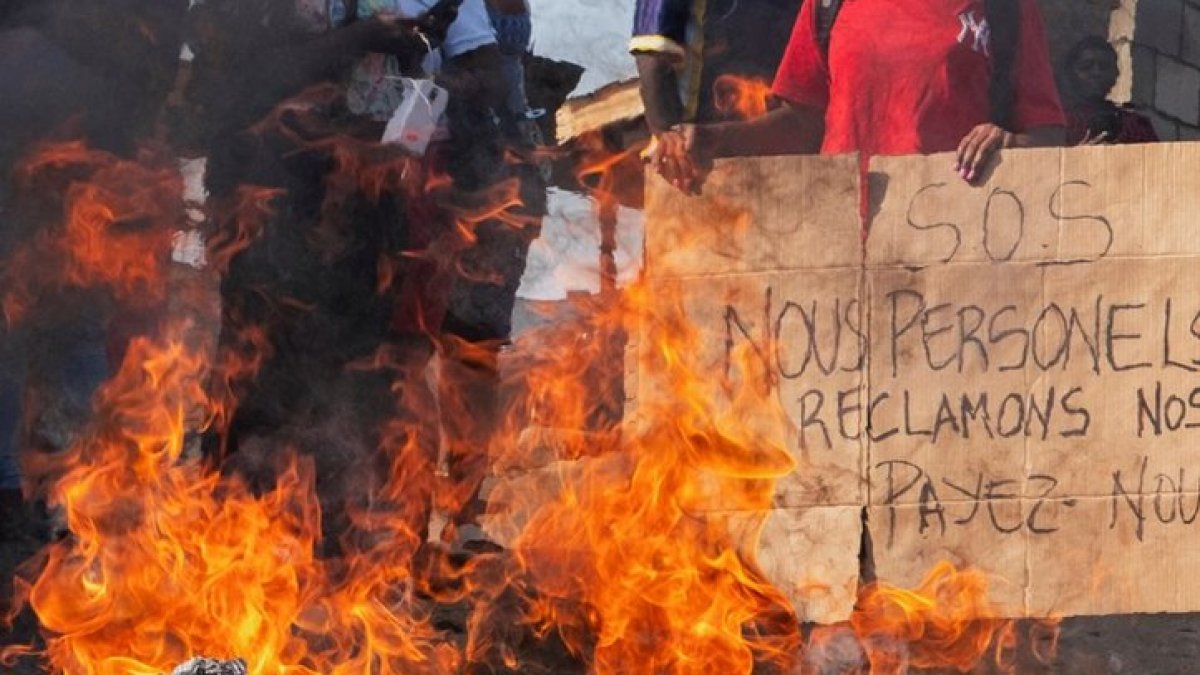
Healthcare workers at an Ebola treatment centre in Bunia, eastern Democratic Republic of Congo, have walked off the job, demanding two months of unpaid wages. Their strike comes as the outbreak’s recorded death toll climbs past 1,400 — a convergence of institutional failure and humanitarian emergency that demands scrutiny.
A Crisis Within a Crisis
The simultaneity of a surging death toll and a labour stoppage is not coincidental. It reflects a structural vulnerability: outbreak response systems in conflict-affected, under-resourced settings depend on a workforce that is itself precarious. When salaries go unpaid for two months, the system does not merely strain — it fractures at precisely the moment it is needed most.
Workers treating Ebola patients face extraordinary occupational hazards. The virus carries a case fatality rate that, without adequate medical intervention, can exceed 90 percent in some strains. To perform that work without pay is not a minor grievance. It is an institutional failure with potentially lethal consequences for patients and communities alike.
Accountability and the Funding Chain
The precise source of the payment failure — whether rooted in national government disbursement delays, misallocation by response coordinators, or gaps in international donor funding — remains to be established. That accountability gap matters. It determines where responsibility lies and what structural remedies are required.
International frameworks governing the right to health, including obligations under the International Covenant on Economic, Social and Cultural Rights, impose duties on states to ensure functional health systems. A treatment centre where staff go unpaid during a lethal outbreak represents a measurable failure against those standards.
What Comes Next
The immediate priority is resolution of the wage dispute — not as a concession, but as a minimum condition for maintaining any meaningful response capacity. The broader question is whether the institutions coordinating this outbreak, national and international alike, will treat this strike as a signal of deeper dysfunction requiring structural remedy, or simply as a logistical obstacle to be managed and forgotten.
History in the region offers little comfort. Eastern DRC has endured repeated Ebola outbreaks, each revealing the same fault lines: underpaid workers, insecure supply chains, and accountability gaps that persist long after the cameras leave.