
Drone Intercepted Over Mecca as Yemen Conflict Escalates Into Holy City’s Airspace
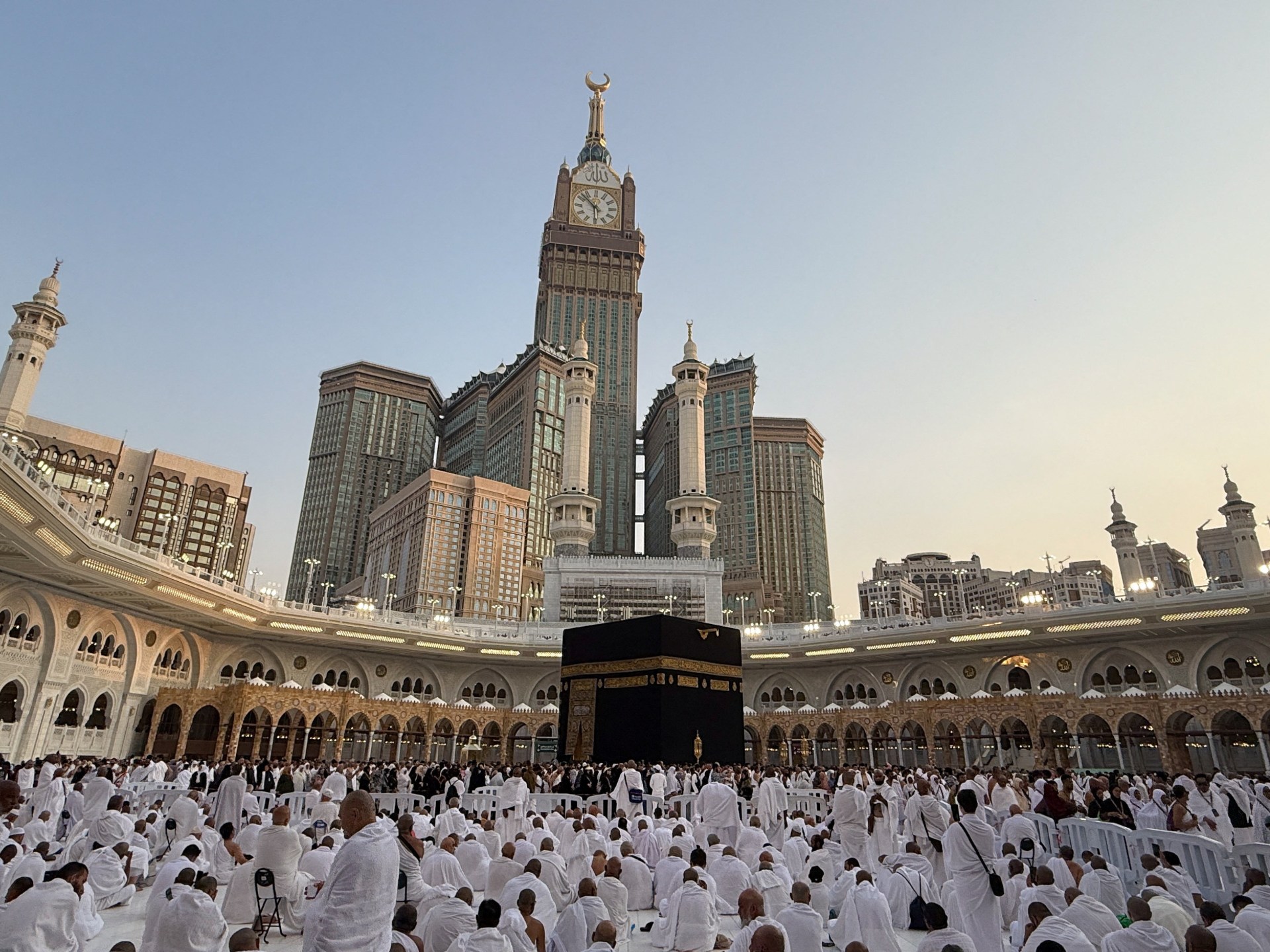
For the first time in nearly a decade, a security alert sounded over Mecca — Islam’s holiest city and the spiritual centre for two billion Muslims worldwide. The alert lasted only minutes, but its implications extended far beyond the airspace above the Kaaba.
Saudi Arabia’s Royal Air Defence Forces intercepted and destroyed a drone on Tuesday evening that the Saudi-led coalition attributed to Yemen’s Houthi movement, claiming it was bound for Mecca before being neutralised at the edge of the city’s restricted airspace. Coalition spokesperson Turki al-Maliki framed the incident in stark terms, describing the security of the two holy mosques and their pilgrims as a “red line” and condemning the strike as a deliberate attempt to terrorise worshippers and harm civilians.
The Houthis, for their part, categorically denied the characterisation. A Houthi military source, speaking to Yemen’s SABA news agency, rejected what he called “misinformation,” stating that Houthi forces pose no threat to Mecca or any Islamic holy site. The group has maintained this position consistently, including after a similar episode in 2017. Independent verification of the drone’s intended trajectory has not been established, and the precise origin and targeting of the projectile remain contested.
Security alerts were simultaneously activated for Taif and Jeddah, Saudi Arabia’s second-largest city, before being lifted shortly thereafter. Separately, coalition forces confirmed that missile and drone strikes on the Saudi cities of Khamis Mushait, Abha, and Taif on Tuesday injured at least 13 people — attacks Riyadh attributed to Houthi forces and described as targeting civilian and economic infrastructure.
The current escalation did not emerge in a vacuum. The conflict traces its formal international dimension to 2015, when a Saudi-led military coalition intervened in Yemen following the Houthi seizure of the capital Sanaa and the collapse of the internationally recognised government. A UN-brokered truce in April 2022 substantially reduced cross-border attacks, offering a fragile pause that held for over two years. That pause has now broken. In July, the Houthis declared a blockade on Saudi shipping and consolidated control over critical positions along the Bab al-Mandeb coastline. By early September, the group had resumed large-scale missile and drone strikes across Saudi territory, marking what observers describe as a significant tactical escalation.
The Saudi-led coalition has promised to respond “firmly” to strikes on urban areas, though the parameters and proportionality of any such response remain undefined. International humanitarian law obliges all parties to distinguish between military objectives and civilian infrastructure — an obligation that the conduct of this conflict, on multiple sides, has placed under sustained scrutiny.
The religious and symbolic stakes of targeting Mecca — whether intentionally or as a consequence of imprecise strikes — are difficult to overstate. The city houses the Kaaba, toward which the world’s approximately two billion Muslims orient their daily prayers. Each year, millions undertake the Hajj pilgrimage, one of Islam’s five foundational obligations, and millions more perform the optional Umrah throughout the year. Between September and October of last year alone, more than 11.7 million pilgrims visited Mecca for Umrah. In late May of this year, around 1.7 million Muslims gathered for Hajj — a season that overlapped directly with a period of active strikes on Saudi territory.
The only modern precedent for restricting access to Mecca was the COVID-19 pandemic in 2020, when Saudi Arabia barred foreign pilgrims to limit viral transmission. Whether the renewed military threat will prompt any comparable restriction remains an open question — one with consequences that would reverberate well beyond the battlefield, touching the religious lives of communities across the globe.
What Tuesday’s incident makes plain is that the conflict in Yemen, often reduced in international coverage to a humanitarian catastrophe unfolding at a comfortable distance, now reaches directly into the symbolic architecture of a world religion. The measured language of coalition statements and Houthi denials alike should not obscure that underlying gravity. Whoever bears responsibility for this trajectory, the people absorbing its consequences — pilgrims, Yemeni civilians, residents of Saudi border cities — are not the ones who set it in motion.