
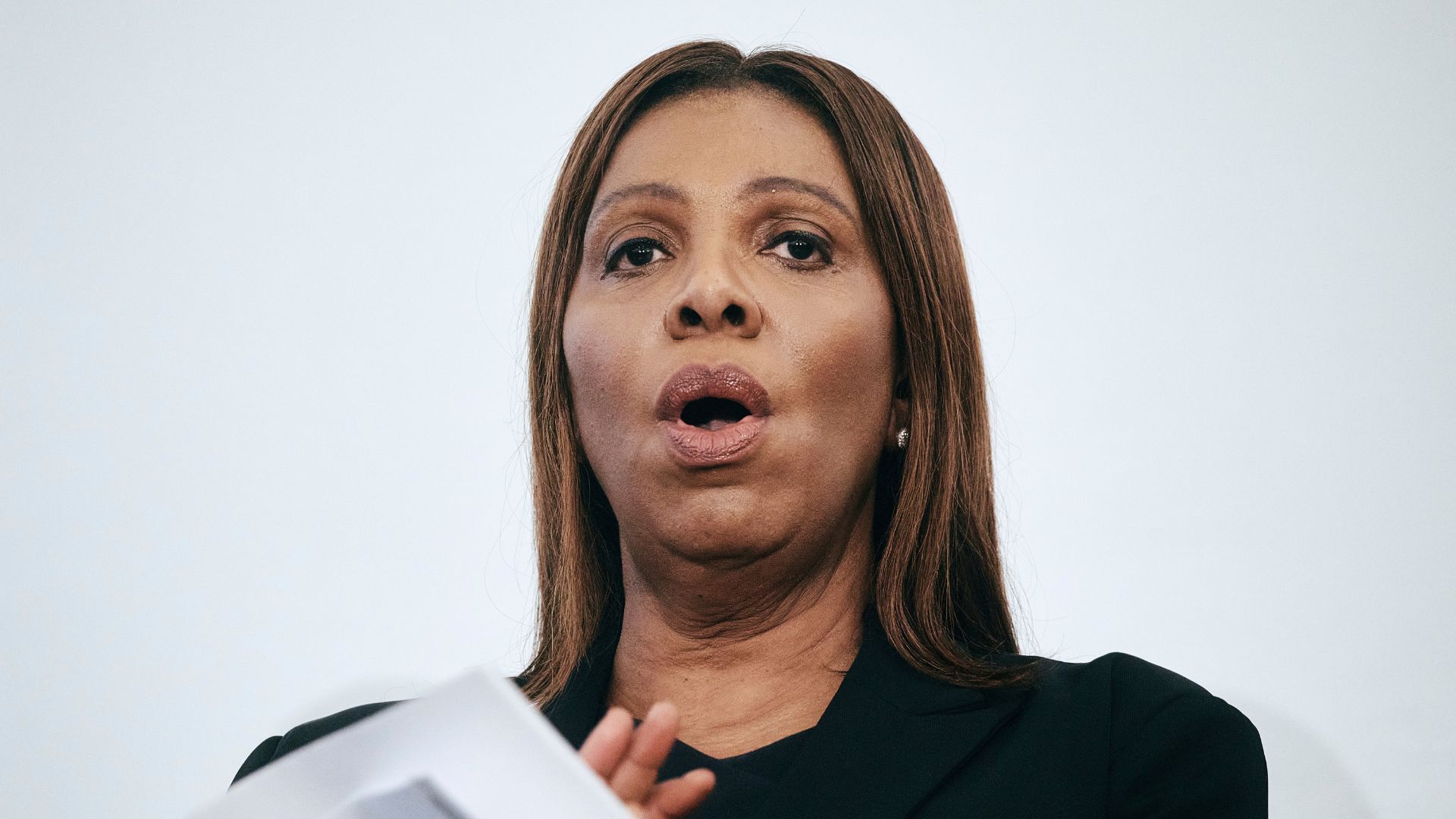
New York Governor Kathy Hochul signed an executive order Thursday appointing Attorney General Letitia James as special prosecutor in the alleged gang rape of a former Cornell University student by members of a campus fraternity in October 2024 — a case that has exposed serious questions about the integrity of both the university’s internal response and the local district attorney’s decision not to prosecute.
A Collapsed Investigation
The governor’s intervention follows months of mounting pressure over what critics characterise as a failed institutional response. Jane Doe, an unidentified former student, alleges in a civil lawsuit filed in New York state court that seven members of a Cornell fraternity drugged and sexually assaulted her in 2024. The Cornell Police Department conducted an initial investigation; Tompkins County District Attorney Matthew Van Houten subsequently declined to bring charges. That decision drew immediate and sustained criticism.
“Newly released information continues to raise serious questions about the investigation conducted by the Cornell Police Department and the decision by the Tompkins County District Attorney not to prosecute,” Hochul said in a statement. The governor added that the sequence of events had “undercut my faith, and the public’s faith, in the District Attorney’s ability to effectively investigate and prosecute the case at this time.”
Van Houten had initially defended his decision not to charge anyone. Five days ago, under pressure from the civil lawsuit and public scrutiny, he announced he would reopen the investigation after reviewing new information contained in Jane Doe’s filings. Hochul’s executive order has now removed the case from his jurisdiction entirely.
The Attorney General’s Mandate
James’ office now holds authority to investigate the allegations, present evidence to a grand jury, and, if the facts warrant, prosecute any offences arising from that investigation. The scope is broad. It encompasses not only the alleged assault itself but the conduct of prior proceedings.
“Every New Yorker deserves to know that when they report a crime, it will be investigated fully and fairly,” James said in a statement. Her office, she added, would conduct its work “guided by the facts and the law.”
The appointment represents a significant institutional displacement. Van Houten, like Hochul and James, is a Democrat — a detail that strips the intervention of any straightforward partisan framing and places the focus squarely on the adequacy of the original proceedings.
Cornell Under Scrutiny
The criminal investigation is not the only accountability process now in motion. Earlier this week, Hochul called for an independent third-party review of Cornell University’s own internal investigation into the seven fraternity members. Cornell President Michael Kotlikoff agreed to the independent inquiry — a concession that implicitly acknowledges deficiencies in the university’s handling of the case.
The governor’s announcement came hours after a public forum organised by Cornell’s student government, at which dozens of students and community members demanded transparency from university leadership. The forum ran for hours. Participants pressed administrators on the university’s obligations to survivors of sexual violence and on the structural failures that allowed the case to stall for months without charges.
Lawyers representing at least two of the men named in Jane Doe’s civil suit have denied their clients participated in any sexual assault. One attorney stated that his client had no physical contact with the complainant. Those denials, made in the context of civil proceedings, do not foreclose criminal liability — a determination that now rests with James’ office.
A Pattern Larger Than One Case
The Cornell case has become a focal point in a long-running national debate about how universities and local prosecutors handle sexual assault allegations on campus. The intersection of institutional self-interest, prosecutorial discretion, and the evidentiary burdens placed on survivors creates conditions in which accountability is systematically difficult to achieve. This case illustrates that dynamic with particular clarity.
The appointment of a special prosecutor does not guarantee prosecution. It does, however, signal that the standard institutional channels — campus adjudication, local law enforcement, county prosecution — failed to produce a credible process. Whether James’ office can now construct one will determine whether this case becomes an example of accountability restored, or of accountability deferred.