
A Crisis of Funding, Not of Access
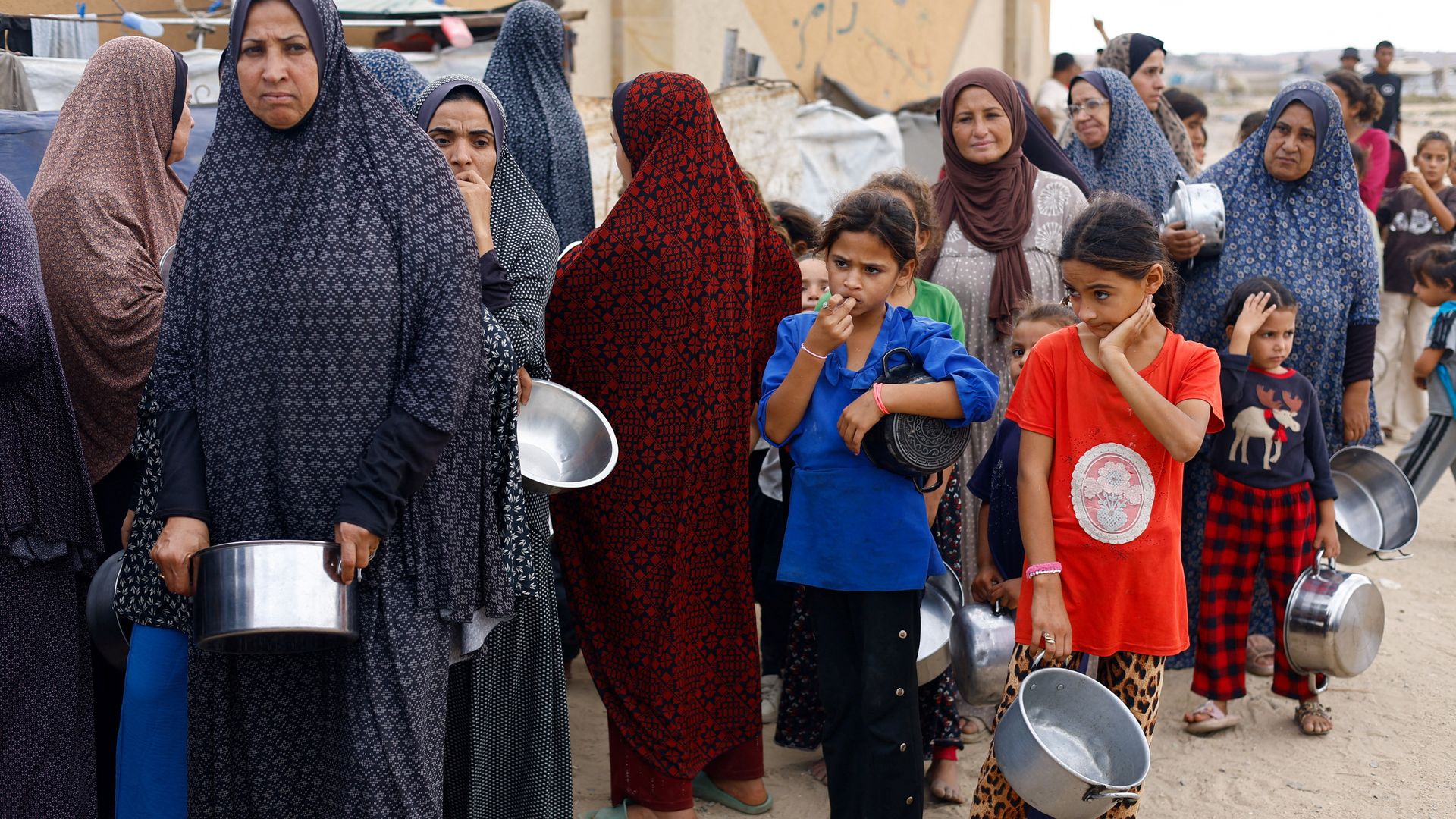
On 19 October 2026, the United Nations World Food Programme announced that acute funding shortages had compelled it to reduce food assistance across Gaza by approximately one-third, stripping half a million people of critical aid as winter approaches. The announcement carried a specific and damning clarification from WFP acting executive director Carl Skau: the cuts are not a consequence of diminished need, nor of logistical failure. “This is only because we have less funding,” he stated.
That distinction matters enormously. It forecloses the familiar institutional deflections — access constraints, security conditions, bureaucratic complexity — and places responsibility squarely on the donors who have failed to sustain commitments. The agency is now seeking $450 million over the next six months to arrest a deterioration it describes as “absolutely brutal.”
The Scale of What Has Been Lost
Since the ceasefire announced in October 2025, WFP had been reaching approximately 1.6 million people every month across Gaza, providing food parcels, wheat flour, bread, hot meals, nutrition support, school snacks and cash assistance. That figure has now fallen to 1.1 million. Food rations have been halved: families receive one parcel where they previously received two, alongside a reduced allocation of wheat flour.
The reduction in daily hot meals — from 250,000 to 150,000 — is among the sharpest single cuts. Households in areas near the yellow line of Israeli military control, already among the most difficult to serve, will now receive a hot meal every other day rather than daily. The value of cash assistance to 75,000 families has also been reduced, compounding vulnerability in an economy where unemployment exceeds 80 percent and most residents cannot absorb further income shocks.
A Population Already at the Edge
The funding collapse arrives against a backdrop of entrenched food insecurity. An estimated 1.4 million people — roughly 67 percent of Gaza’s population — face crisis-level food insecurity or worse. Of these, around 200,000 are experiencing emergency conditions requiring immediate food assistance to prevent deaths from hunger, a threshold that international humanitarian frameworks define as the final stage before famine.
Only one in five children in Gaza currently consumes a sufficiently diverse diet. WFP’s September market monitor found that 44 percent of households were unable to afford basic food items despite markets being stocked — a finding that underscores how price levels, shaped by years of blockade and conflict, have become structurally prohibitive for most of the population.
What Remains in Place
WFP continues, for now, to support bakeries covering one-third of Gaza’s bread supply, to provide nutrition assistance to 300,000 women and children, and to deliver school snacks to 200,000 children. These programmes represent the residual floor of a system under severe pressure, and their continuation is contingent on funding that the agency does not currently have secured.
The West Bank: A Parallel Contraction
Gaza is not the only theatre of cuts. In September, WFP halved the number of recipients in the West Bank from 400,000 to 200,000, a reduction that has received considerably less international attention but reflects the same systemic failure of donor financing. The breadth of these simultaneous contractions points to a structural problem rather than a localised shortfall.
Fragile Gains, Reversible Progress
The agency’s own warning is carefully worded and worth reading precisely: “Improved humanitarian access and delivery of assistance since October 2025 have helped reduce food insecurity, but these gains remain fragile and could quickly be reversed if humanitarian funding continues to decline.” The modest improvements achieved over the past year were the product of sustained operational effort; they are not self-sustaining and will not survive continued disinvestment.
For three years, WFP’s food assistance has constituted a lifeline for up to 90 percent of families in Gaza. The current contraction does not merely reduce a service — it dismantles the primary buffer between a civilian population and famine conditions that international law unambiguously prohibits. The funding gap is a political choice, made by governments with the capacity to close it.