
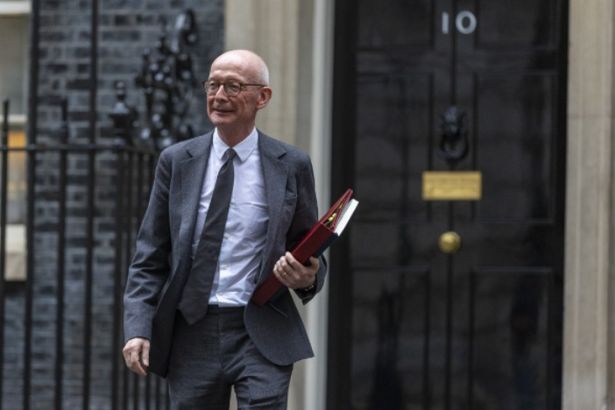
The Department for Work and Pensions has confirmed a £5 million pilot programme targeting unemployed young people with existing informal income streams, offering them structured mentoring to formalise their activities as registered businesses before 2028, Work and Pensions Secretary Pat McFadden announced this week.
Speaking to The Telegraph, McFadden said the scheme would operate through jobcentres and focus on claimants already engaged in small-scale commercial activity — selling second-hand clothing, making jewellery, or offering skilled services — who lack the knowledge or infrastructure to convert those activities into sustainable enterprises. The programme will provide guidance on opening a business bank account, registering for VAT, and drafting a business plan, with delivery spread across two years.
The announcement comes as the government faces sustained pressure over a rising welfare bill. McFadden framed the initiative as a practical response to a structural gap in how the benefits system has historically engaged with claimants who do not fit the mould of traditional job-seekers.
A Shift in Jobcentre Offer
“So many people have got something going on at home,” McFadden said. “They’re trying to ask themselves: ‘How do I make a commercial success of this?’ And to be honest, I don’t think the way that we have been set up in the past has been good enough at doing that.” The admission is a notable concession from a senior minister that existing provision has fallen short.
McFadden was careful to limit the scope of the government’s ambition on financing, indicating that capital access would remain largely a private sector matter. The state’s role, he suggested, would be confined to advice and signposting — a distinction that may draw scrutiny from those who argue that guidance alone rarely bridges the gap between informal activity and viable self-employment, particularly for claimants with limited financial reserves.
The minister also situated the scheme within a broader argument about social cohesion. “Having a strong society, a cohesive society, where people feel they have got a chance in life is an important aspect of the country’s resilience,” he said, adding that high unemployment had fuelled political division elsewhere. Whether a £5 million advisory programme can meaningfully address those dynamics remains, at this stage, an open question.