
British-Made Drones Strike Deep Into Russia as Moscow Issues Consequences Warning to London
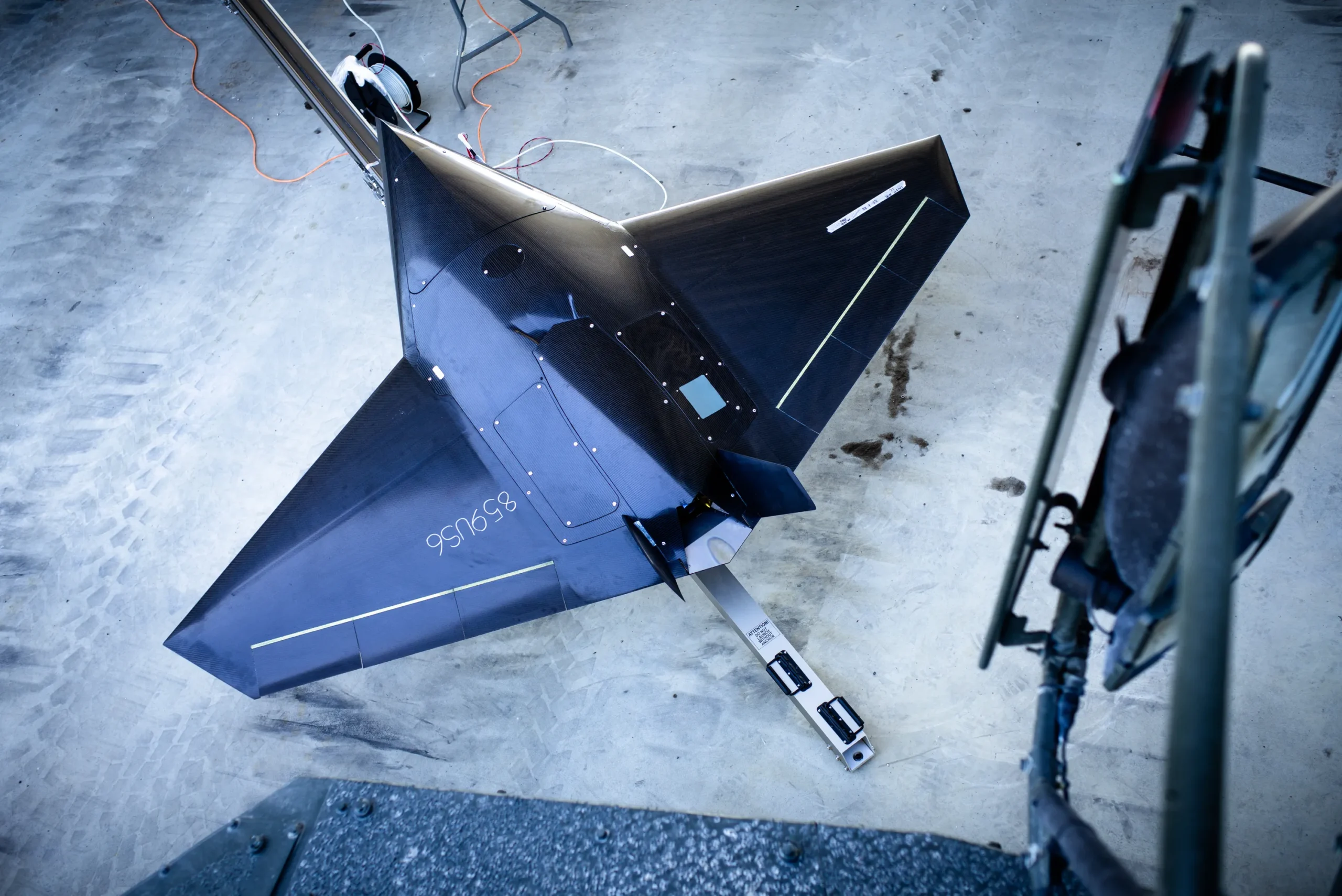
UK Drones Deployed Against Russian Territory for the First Time
Russia’s Embassy in London issued a formal warning of “consequences” to the United Kingdom this week after multiple sources within the Ukrainian Army confirmed to The Times that British-manufactured drones have been striking targets deep inside Russian territory over the past six months. The aircraft, produced by at least two separate British companies, have hit refineries and storage facilities on Russian soil — marking the first publicly reported use of UK-made drones in offensive operations against the Russian mainland. The disclosure represents a significant escalation in the publicly acknowledged scope of British military support to Kyiv.
Targets and Hardware
Among the confirmed strike targets are oil refineries in Volgograd, in southwest Russia, and Yaroslavl, situated near Moscow, as well as warehouses belonging to Russian online retailer Wildberries. One of the identified systems is the Nyan One Way Effector, a jet-powered attack drone developed by Callen-Lenz, operating within BAE Systems’ FalconWorks division. The aircraft carries a 2.9-metre wingspan and a maximum takeoff weight exceeding 75 kilograms, and is also deployed by the British Army in its own inventory. A second British manufacturer supplying drones to Ukraine has not been publicly identified, and the precise number of platforms deployed remains undisclosed.
Moscow’s Response and London’s Reaffirmation
The Russian Embassy in London characterised the reports as evidence that “London is deliberately opting for an escalation of the Ukraine crisis, while hypocritically professing a desire for peace.” The statement continued: “London’s actions will inevitably carry consequences for which it will have to answer. The deeper its involvement in the conflict and the greater its support for Kyiv’s terrorist machinery, the higher the price it will pay.” The language mirrors a broader pattern of Russian diplomatic signalling designed, as one senior British defence source noted to The Times, to keep Western governments “nervous about hitting it too hard.” The British Ministry of Defence responded by reaffirming its commitment to Ukraine, stating that “Russia should be in no doubt about the resolve of this Government to stand against Russian aggression, in Ukraine and against the UK and our allies.”
A Shift in Signalling
The deployment of British technology in the Ukraine conflict is not without precedent — Storm Shadow cruise missiles, supplied by the UK, have been in documented use for some time. What distinguishes the current disclosure is its specific focus on drone systems capable of reaching deep into Russian territory, and the apparent willingness of Ukrainian military sources to confirm their use on the record. A senior British defence source told The Times that the strikes represent a deliberate signal: “These attacks mean the UK is effectively signalling to Russia and our allies that we’re not [nervous] any more.” Even Russian ultra-nationalist outlet Tsargrad acknowledged, citing a domestic defence expert, that the use of British attack drones was “an open secret,” while a second analyst suggested that, absent the deployment of British troops, such support remained within conventional parameters of arms provision.
The Broader Supply Commitment
The revelations arrive in the context of a substantially expanded British commitment to Ukrainian drone warfare.
The scale of this commitment, combined with the confirmation that British-made systems are already striking targets hundreds of kilometres inside Russia, raises substantive questions about the legal and strategic boundaries of third-party involvement in the conflict — questions that neither London nor Kyiv has addressed in detail in public statements. Under international law, the provision of weapons to a party engaged in an armed conflict does not, in itself, constitute belligerency; however, the operational integration of foreign-manufactured systems into offensive strike campaigns against a nuclear-armed state’s territory occupies contested legal and political terrain that warrants close scrutiny.