
Burnham’s Chancellor Decision: Mahmood Emerges as Front-Runner as Miliband’s Treasury Ambitions Falter
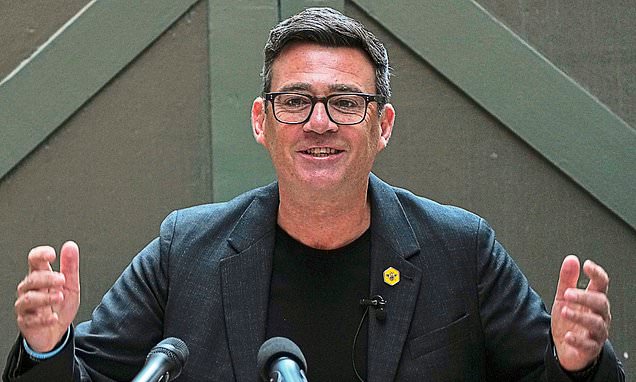
A succession struggle over one of Britain’s most powerful offices of state is playing out in public, with incoming Prime Minister Andy Burnham reported to be moving toward appointing Shabana Mahmood as Chancellor of the Exchequer — a decision that would represent a significant rebuff to his long-standing ally Ed Miliband, who had been widely regarded as the early favourite for the role.
The briefing war that has erupted in Westminster corridors signals something more than routine cabinet speculation. It reflects the fault lines of a transition still in formation, where competing power centres are attempting to shape outcomes before decisions harden into appointments.
A Rivalry Made Public
Miliband’s reported ambition to take charge at the Treasury had circulated for weeks as an open secret. Now, according to multiple accounts emerging from Westminster, that ambition is set to be frustrated. The manner of its frustration — through coordinated briefings rather than quiet diplomacy — suggests the transition team around Burnham has lost control of the narrative, or has chosen not to.
Mahmood, currently serving as Lord Chancellor and Secretary of State for Justice, would represent a different ideological centre of gravity at the Treasury. Her appointment would signal a more cautious fiscal posture. Whether that signals genuine strategic intent or is itself a product of the ongoing briefing war remains, at this stage, unclear.
What is clear is that Burnham has U-turned. The signals that had pointed toward Miliband — a figure with deep roots in the party’s left and a decade-long record on climate and energy policy — now appear to have been superseded. The reasons for that shift have not been formally explained.
Accountability and the Transition Process
The opacity surrounding the chancellor decision raises legitimate questions about how power is being allocated during this transition. Cabinet formation is not, in any formal sense, subject to public accountability — prime ministers appoint at their discretion. But the process through which that discretion is exercised matters. When competing factions brief against one another through the press, the process itself becomes a site of political combat rather than deliberation.
Burnham’s apparent indecision — or, more precisely, his willingness to allow competing signals to reach the public simultaneously — carries costs. It weakens the authority of whoever is eventually appointed. It invites the incoming chancellor, whoever that is, to begin their tenure already framed as a consolation prize or a compromise. That is not a neutral starting position for managing the public finances of the world’s sixth-largest economy.
The full contours of the decision remain unconfirmed. No formal announcement has been made. The sourcing on which current reports rest is, by definition, partial and interested. Those caveats matter.
But the pattern is legible. A transition that promised order is producing noise. And the noise, for now, is winning.