
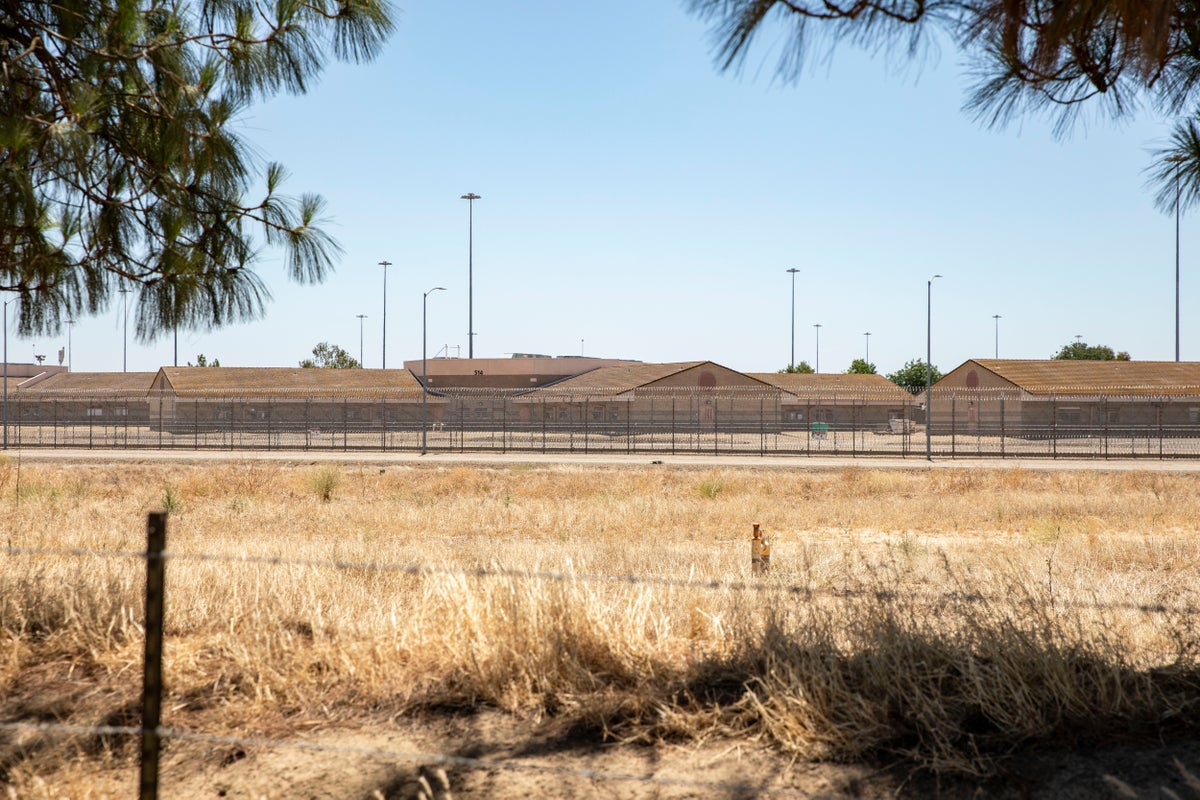
The U.S. Department of Justice has concluded that California’s prison system failed, in a systematic and sustained manner, to protect incarcerated women from sexual abuse and harassment by correctional staff — and that the mechanisms designed to address such abuse were themselves compromised. The finding is not merely an indictment of individual misconduct. It is evidence of institutional failure, built into the architecture of oversight itself.
The federal investigation, initiated during the Biden administration, focused on two state facilities: the Central California Women’s Facility in Chowchilla and the California Institution for Women in Chino. Investigators found that guards regularly sexually abused incarcerated women, that reporting channels were structurally unsafe, and that personnel assigned to investigate misconduct were themselves, in multiple instances, accused of the same offences.
The reporting system alone illustrates the depth of the problem. Women were directed to log complaints through an online portal that lacked confidentiality protections — a system to which accused officers had direct access. Harmeet K. Dhillon, assistant attorney general for the Justice Department’s Civil Rights Division, stated plainly that incarcerated women were “fully aware of this gap in confidentiality,” and that this awareness functioned as a deliberate deterrent to reporting. A structure ostensibly designed to surface abuse was, in practice, designed to suppress it.
The investigative apparatus fared no better. Dhillon highlighted one particularly stark example: a sergeant assigned to handle internal investigations who pleaded guilty and received a 15-year prison sentence for obtaining child sexual abuse material while on duty. In a separate case, a guard was convicted of abuse spanning roughly a decade and sentenced to 224 years in prison. These are not aberrations. They are symptoms of a system in which accountability mechanisms had been hollowed out from within.
Speaking at a Los Angeles media briefing, Dhillon summarised the investigation’s core finding: “California’s prison system, when it comes to women, has inadequate systems in place to deter, detect, and hold accountable rampant sexual misconduct and assault on female prisoners.”
The findings carry an uncomfortable precedent. A comparable pattern of staff sexual abuse at the federal Federal Correctional Institution in Dublin, California — a facility that became known publicly as the “rape club” following reporting by The Associated Press — resulted in that prison’s closure. The question now is whether California’s state system will require equivalent external pressure before meaningful reform materialises.
The federal government has given California’s corrections department 49 days to remediate the conditions identified in the investigation. The required measures include expanded camera coverage across facilities, strengthened confidential reporting channels, and overhauled investigative protocols — changes that, if implemented rigorously, would address some of the most glaring structural deficiencies. Failure to comply, federal authorities warned, could trigger civil litigation.
The California Department of Corrections and Rehabilitation did not respond to a request for comment. That silence, in the context of findings this serious, is itself a data point.
U.S. Attorney Bill Essayli stated that California “must confront the persistent failure of its own employees to prevent and address sexual abuse at these facilities, and the systemic breakdowns that have permitted these conditions to persist.” The language of systemic breakdown is precisely right — and it points toward the harder question this investigation leaves open: when the institution charged with protecting people becomes the institution from which they most need protection, what enforcement mechanism remains that is not also subject to the same erosion?