
Andy Burnham Revives ‘Death Tax’ Proposal as He Vows to Spend Political Capital on Social Care Reform
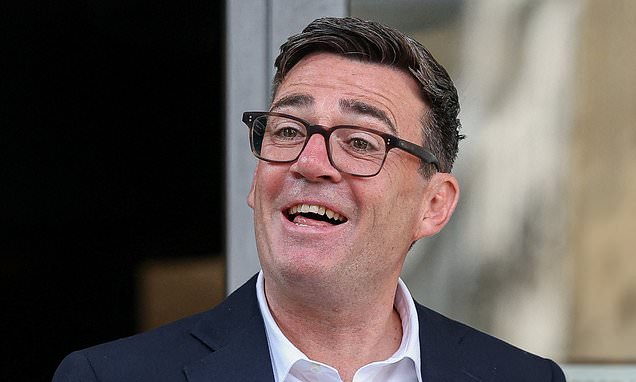
Andy Burnham, the newly installed Labour leader and incoming Prime Minister, has pledged to pursue a compulsory levy on all estates to fund social care in the United Kingdom, resurrecting a proposal he first advanced as Health Secretary around 2009–2010 and which opponents have long labelled a ‘death tax’ — a charge that critics and Conservative voices are now amplifying as he prepares to assume the country’s highest office.
Having secured the Labour leadership in an uncontested vote, Burnham addressed activists in Gravesend, Kent, declaring that he would not repeat what he described as Westminster’s habitual evasion of the issue. “I’m not going to do what Westminster has traditionally done, which is to kick the can down the road on this important issue,” he said, adding that he intended to “expend political capital on bringing forward a plan to fix social care” without delay, citing the compounding human cost of further inaction.
The reform agenda is reported to be underpinned by an £18 billion budget, and Burnham is said to be prepared to “expend quite a lot of political capital” to drive the changes through a legislature where the estate levy has historically proved toxic. The proposal would impose a charge on the value of estates left at death, with the proceeds directed toward a social care system that successive governments have acknowledged as chronically underfunded yet consistently failed to restructure.
Warnings and Political Stakes
Opposition to the plan has been swift and familiar. Critics argue that the levy would impose an inequitable burden on families who have accumulated modest assets — principally property — over a lifetime, and that it amounts to a tax on prudence rather than a solution to systemic underfunding. Supporters counter that the alternative — leaving hundreds of thousands of elderly and disabled people without adequate care — represents a far graver injustice, one that has persisted across governments of both major parties for decades.
Angela Rayner, the former deputy prime minister under Sir Keir Starmer who resigned after it emerged she had failed to pay a £40,000 stamp duty bill, is reported to be a leading candidate for the role of Health Secretary in a Burnham administration. A former care worker and MP for Ashton-under-Lyne, Rayner is regarded within Labour circles as a credible steward of the reforms, though her appointment would itself carry political risk given her recent departure from senior office. The precise contours of the estate levy — its threshold, rate, and exemptions — have not yet been formally published, leaving the central question of distributional impact unanswered.