
UK Parliament Report Brands Government’s Digital ID Rollout ‘Nothing Short of a Fiasco’
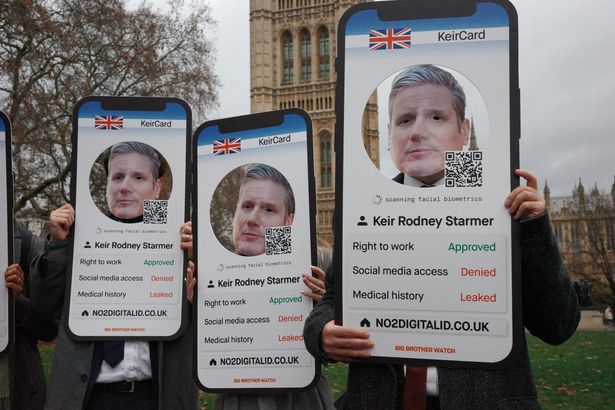
UK Parliament Report Brands Government’s Digital ID Rollout ‘Nothing Short of a Fiasco’
A cross-party parliamentary committee has delivered a scathing verdict on the British government’s handling of its digital identity proposals, warning that the botched rollout has eroded public trust and will make it significantly harder to build a legitimate case for digital ID in the future.
Committee Findings
The Home Affairs Committee found that the government rushed its digital ID plans into the public domain without adequate policy development, evidence gathering, or public consultation. The report concluded that ministers were left unable to answer basic questions about how the policy would operate.
Committee chair Dame Karen Bradley stated: “The government’s early attempts to set out its plans for digital ID were nothing short of a fiasco. To the public this announcement came out of the blue and made little sense. It raised fears of government over-reach into people’s lives and was so poorly thought out that they had few answers to ease these concerns.”
The committee acknowledged that digital ID infrastructure could deliver genuine public benefit, but found that the mishandling of the announcement had needlessly damaged a policy area that had previously enjoyed broad public support.
The Announcement and the Backlash
In September 2024, Prime Minister Keir Starmer announced that digital ID would become mandatory for proving the right to work in the UK by 2029, framing it as a tool to combat illegal working and strengthen border security.
The announcement triggered immediate and substantial opposition. A public petition demanding the government reverse course gathered three million signatures, forcing a significant policy retreat.
The government subsequently clarified that while digital right-to-work checks would be made mandatory, individuals would not be required to use a digital ID to comply. A public consultation on online identification checks has since been launched — a process critics note should have preceded the original announcement.
Economic and Sectoral Damage
The committee’s report warned that the policy mismanagement had also threatened the digital verification services sector, which contributes approximately £2 billion to the UK economy. The uncertainty created by the government’s poorly communicated plans risked undermining confidence in an industry that a well-designed digital ID framework was ostensibly meant to support.
Policy Background and Political Context
The proposal drew on longstanding advocacy within Labour-aligned circles. Think-tank Labour Together — a close ally of the Starmer leadership — had previously proposed a “BritCard” that would allow all UK residents to verify their right to live and work in the country.
The scheme also echoed the ambitions of former Prime Minister Tony Blair, a long-term proponent of national identity cards whose own government failed to introduce a workable scheme during its time in office.
Alexander Iosad of the Tony Blair Institute offered a partial defence of the process, arguing that more people support digital ID than oppose it and that the announcement had “spurred an important public debate.” He acknowledged, however, that “the government could have done a better job of articulating the benefits of digital ID in the weeks after the initial announcement.”
A Policy in Retreat
The committee’s report did not recommend abandoning digital ID outright. Dame Karen Bradley noted that ministers had “rightly gone back to the drawing board” and described the technology as having “the potential to be a valuable tool for government.”
The report nonetheless underscores a recurring accountability gap: the government’s failure to conduct rigorous policy development before a high-profile public announcement left it exposed, generated avoidable public alarm, and set back a policy agenda that its own analysis suggested had majority support.