
UK Government Grants DWP Powers to Revoke Driving Licences Over Benefit Debt
UK Government Grants DWP Powers to Revoke Driving Licences Over Benefit Debt
The UK’s Department for Work and Pensions has been granted sweeping new enforcement powers — including the authority to revoke driving licences — targeting benefit claimants who fail to repay overpayments, under legislation now in force.
What the New Powers Allow
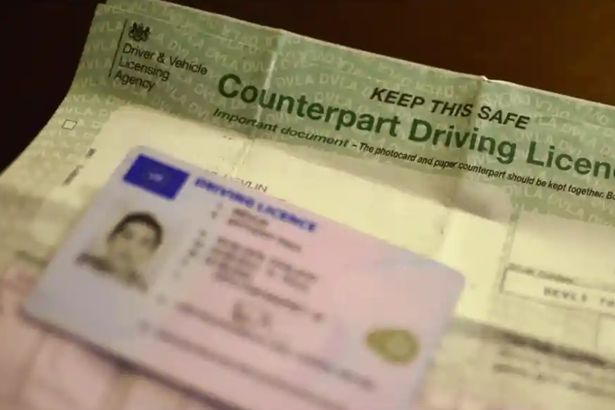
Under the Public Authorities (Fraud, Error and Recovery) Act, DWP officials can now monitor bank accounts, make direct debt withdrawals, and apply to courts for driving licence disqualification as a coercive repayment tool.
The measures are framed by the government as a response to a longstanding enforcement gap: individuals who had left the benefits system or were not in PAYE employment could previously avoid debt recovery with limited consequence.
Conditions and Stated Safeguards
The initial enforcement focus will cover three benefits: Universal Credit, Pension Credit, and Employment and Support Allowance.
Government Justification
Work and Pensions Minister for Transformation Andrew Western said the powers were designed to target deliberate non-payment rather than those unable to repay. “To anyone with an outstanding debt — our door is open and DWP will always work with you to find an affordable way to repay,” he said. “But for those who can pay and won’t — we’re going further than ever before.”
Cabinet Office Minister Satvir Kaur framed the measures as protecting public services: “Fraud against the public sector and unrecovered debt deny our vital frontline services of the funding they deserve.”
Questions of Proportionality
The legislation raises significant questions about proportionality and due process. Revoking a driving licence — a sanction with direct consequences for employment and mobility — as a debt enforcement mechanism represents a substantial expansion of executive power over welfare claimants. Independent scrutiny of how the “essential need” exemption is assessed in practice will be critical to evaluating whether the stated safeguards hold.