
Jack Draper’s Return Ends in Tears as Persistent Elbow Injury Overshadows Montreal Defeat
A Comeback Undermined Before It Could Begin
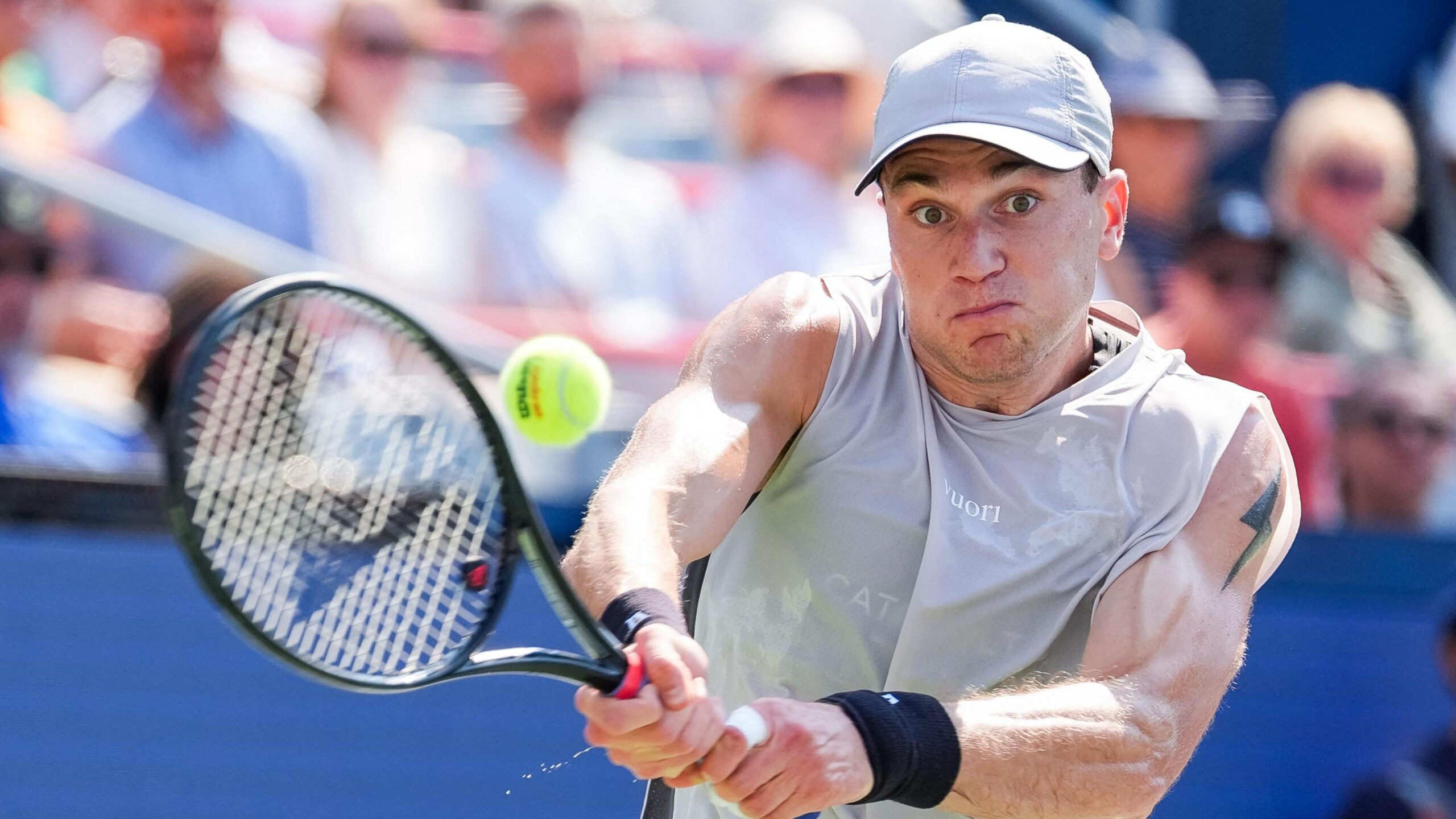
Jack Draper broke down in tears during a changeover late in the third set of his defeat to Terence Atmane at the Montreal Masters 1000 tournament, in a scene that laid bare the physical and psychological toll of an injury that has now trailed him for more than a year. The British number one had not competed for nearly six weeks before stepping onto the court in Montreal, the extended absence itself a measure of how seriously his camp has been treating the left-elbow problem that has recurrently disrupted his season.
The defeat, which stretched to three sets, was in many respects secondary to what it revealed about Draper’s condition. When a player weeps during a changeover, the competitive result ceases to be the story. What the moment exposed, instead, was the gap between the optimism Draper had publicly expressed and the physical reality he encountered under match conditions — a gap that has now opened and closed, and opened again, across successive tournaments.
A Chronology of Disruption
The origins of the problem trace back to late spring of last year, when Draper first began experiencing significant discomfort in his racket arm. Since then, the injury has followed a pattern familiar to those who have tracked his career closely: a period of rest, a cautious return, a fresh setback. That cycle repeated itself most recently ahead of the Washington tournament, from which Draper withdrew at the last moment after pain returned to the elbow — a withdrawal that was itself preceded by weeks of rehabilitation.
Speaking to Sky Sports before his match in Montreal, Draper indicated that an additional week of rest and targeted rehabilitation had left him feeling more confident about competing at the Masters 1000 level. The statement was measured, not triumphalist, and reflected a player who has learned to manage expectations alongside managing his body. What the match against Atmane demonstrated, however, is that confidence and readiness are not always the same thing, and that an injury described in some quarters as apparently insoluble does not yield to optimism alone.
What the Evidence on Court Suggests
The third set provided the clearest indication that Draper’s elbow had not been resolved. His tears at the changeover were not the reaction of a player frustrated by a tactical miscalculation or a missed opportunity; they carried the specific weight of someone confronting a problem that resists solution. Whether the physical discomfort was acute at that moment, or whether the emotion reflected the accumulated strain of months of interrupted preparation, the image was unambiguous in its implications.
Draper’s situation raises questions that extend beyond his individual case. Elite tennis places extraordinary demands on the upper limb, and left-elbow injuries in left-handed players who serve and strike with pronounced topspin carry particular biomechanical complexity. The fact that Draper has now missed significant stretches of competitive tennis across two consecutive seasons, without arriving at a definitive resolution, points to a condition that demands transparent and sustained medical scrutiny — both for the player’s long-term welfare and for the integrity of his career trajectory at a moment when his talent places him among the sport’s most compelling figures.
The Broader Stakes
Draper entered this season carrying significant expectations, and the first months of the year produced results that justified them. His capacity to compete at the highest level was not in question. What is now in question is whether the support structures around him — medical, logistical, institutional — are equipped to address an injury that has proven, so far, stubbornly resistant to conventional management. The tears in Montreal were a private moment made public, and they deserve to be taken seriously rather than aestheticised as a narrative of suffering. The more pressing matter is what comes next, and whether the weeks ahead will finally bring a resolution that the past year has consistently withheld.