
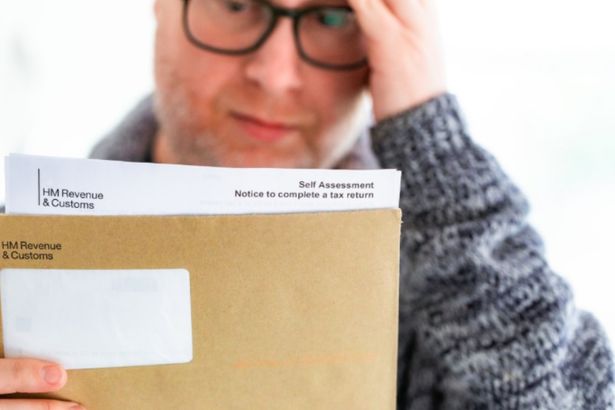
Britain’s tax authority has confirmed that approximately 1,077,000 sole traders and landlords earning above £30,000 annually will be required to comply with Making Tax Digital for Income Tax from 6 April 2027, leaving those affected roughly six months to prepare for a significant shift in how they report their finances to the state.
The expansion follows an existing rollout that brought those earning above £50,000 into the scheme from April 2026. Under the new rules, affected individuals must maintain digital records and use HMRC-recognised software to submit quarterly updates of their income and expenses, replacing the single annual self-assessment return that millions of self-employed workers and property landlords have filed for decades. The threshold is then scheduled to fall again — to £20,000 — from April 2028, drawing an even broader population into mandatory digital compliance.
The administrative burden is not trivial.
Craig Ogilvie, HMRC’s Director of Making Tax Digital, stated that “hundreds of thousands of sole traders and landlords are already successfully using Making Tax Digital,” urging the next cohort to register on GOV.UK and begin familiarising themselves with the process before the April deadline renders compliance obligatory. To be eligible to sign up, individuals must already be registered for Self Assessment and must have submitted a tax return within the preceding two years.
Exemptions exist, including for those formally classified as digitally excluded, though the precise scope and accessibility of those exemptions remains a question of practical consequence for lower-income self-employed workers who may lack reliable digital infrastructure.
The trajectory is clear: HMRC is systematically extending digital reporting obligations downward through the income scale, and the window for preparation is narrowing.