
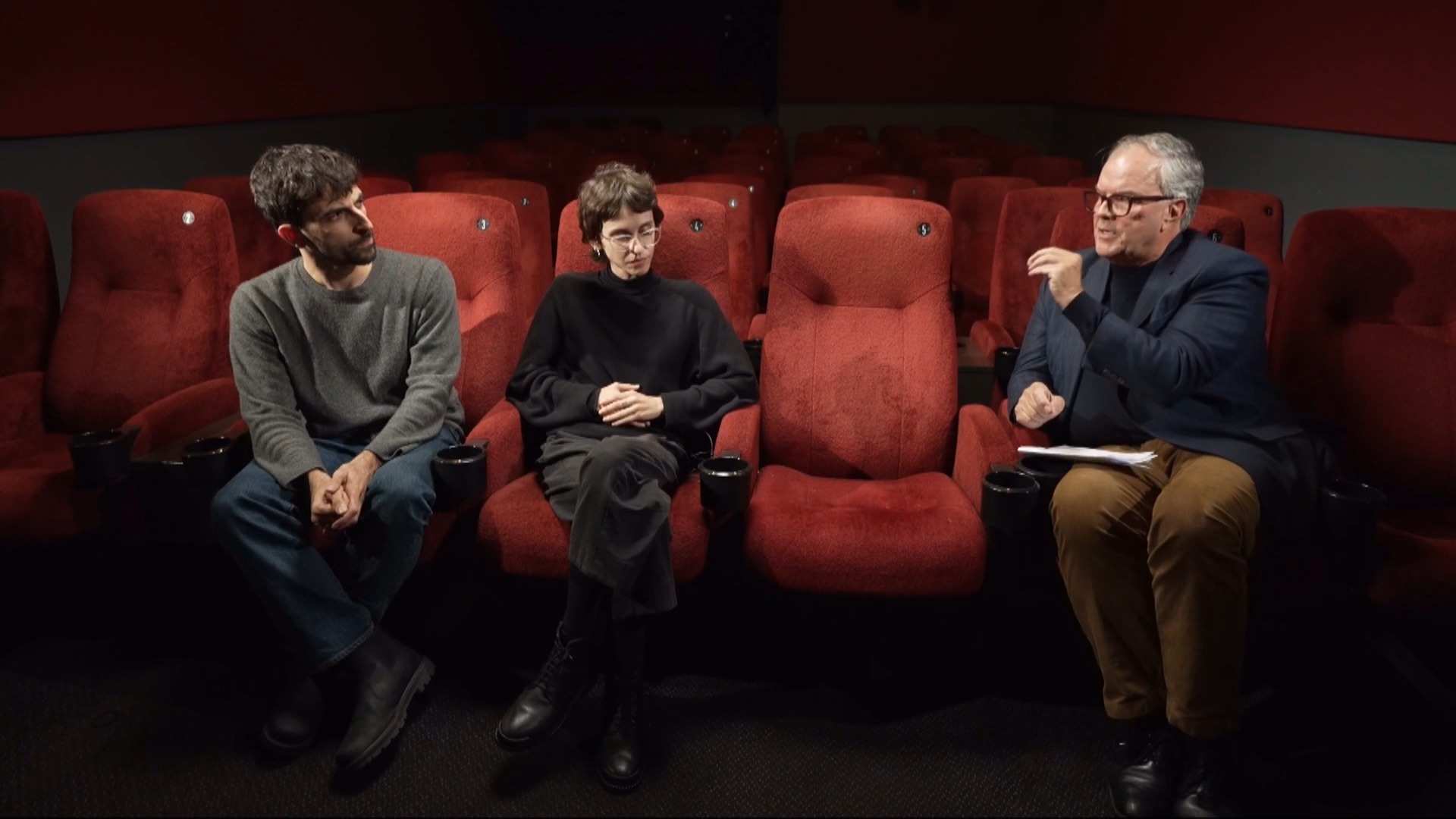
Twenty-four soldiers and intelligence officers broke ranks. What they revealed may be the most consequential testimony to emerge from the war in Gaza.
NAZA is a documentary directed by Yuval Abraham and Rachel Szor that gathers firsthand accounts from active and former members of the Israeli military and intelligence apparatus. These are not dissidents operating from the margins. They are insiders, speaking on record, about the mechanics of a war their own state would prefer remain opaque.
The film takes its name from the Hebrew military term for a calculated acceptable civilian casualty rate — a bureaucratic threshold that determines how many non-combatant deaths are permissible for a given strike. That a formal metric exists at all is itself a revelation. That soldiers are now willing to describe how it was applied in Gaza makes NAZA something closer to a primary source than a conventional documentary.
What exactly do the testimonies reveal?
The accounts cover two interlocking systems. The first is the use of automated AI targeting platforms to generate strike lists at a pace and volume that human oversight struggles to match. The second is the application of the NAZA framework — the casualty ratio calculus — to authorise attacks that kill significant numbers of civilians in pursuit of a single military objective. Together, these testimonies raise precise and serious questions under international humanitarian law, particularly regarding the principles of distinction and proportionality.
Abraham and Szor have described the testimonies as unflinching. That word carries weight here. These are not generalised expressions of unease. The soldiers speak to specific procedures, specific thresholds, specific decisions. The precision is what makes the film difficult to dismiss and, for Israeli authorities, difficult to contain.
The response at home has been predictable in its ferocity. Critics within Israel have labelled the filmmakers treasonous. The film has been branded a threat to national security. This is a familiar pattern: when insiders document state conduct that implicates senior command structures, the instinct of those structures is to attack the messenger rather than address the substance.
Internationally, the reception has been starkly different. The film has earned serious critical attention and recognition precisely because it does what investigative journalism at its most rigorous demands — it grounds extraordinary claims in named, accountable sources willing to bear the consequences of speaking. The gap between its domestic reception and its international standing is itself a form of evidence about what the film contains.
The legal implications extend beyond Israel’s borders. If automated targeting systems are generating casualty authorisations faster than commanders can meaningfully review them, the question of command responsibility under international humanitarian law becomes urgent. The Rome Statute framework, the Geneva Conventions’ proportionality requirements, the prohibition on indiscriminate attacks — these are not abstract instruments. NAZA forces them into contact with concrete, named testimony.
What Abraham and Szor have produced is not agitprop. The tone, by all accounts, is measured. The filmmakers let the soldiers speak. That restraint is a deliberate and serious choice, and it is precisely what gives the documentary its force. Sentiment would have weakened it. Evidence does not require amplification.