
A Surveillance Operation at the Heart of the Chip Industry
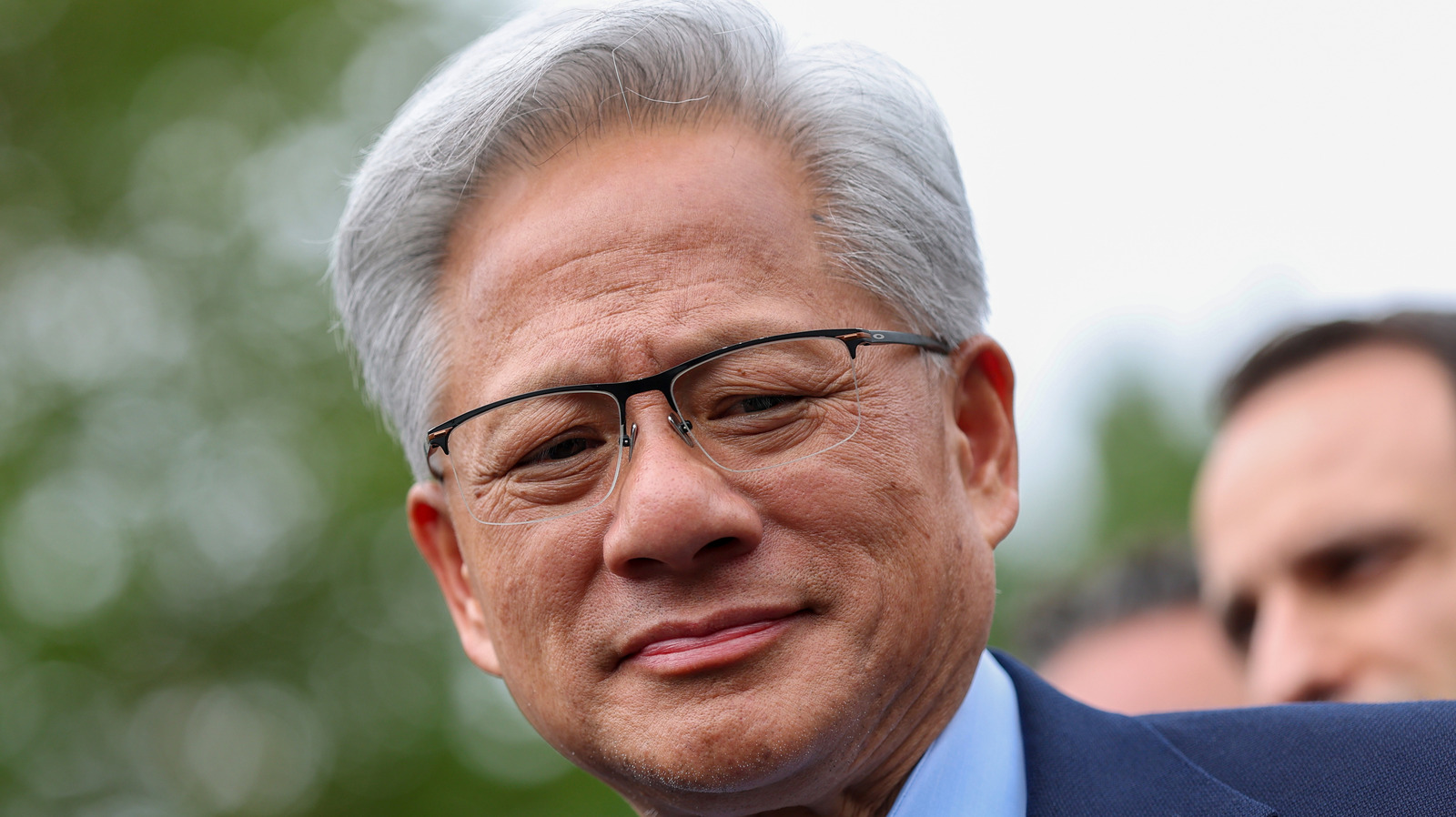
Sometime before the story became public, American intelligence agencies began surveilling a Chinese citizen named Alice Huang, an executive at Megaspeed, a Singapore-based data centre firm with a thin public profile and an outsized appetite for advanced semiconductor hardware. What that surveillance produced, according to a report by The New York Times, was contact between Alice Huang and one of the most consequential figures in the global technology industry: Jensen Huang, chief executive of NVIDIA, the company that manufactures the chips now considered essential infrastructure for artificial intelligence development worldwide.
US intelligence agencies concluded that Alice Huang is a Chinese intelligence asset actively passing information to Beijing. The finding placed Jensen Huang — whose company sits at the centre of an intensifying geopolitical contest over AI capabilities — in an acutely sensitive position, as an unwitting point of contact for a foreign spy operation directed, US officials believe, by the Chinese government.
Billions in Chips and a Suspicious Paper Trail
Before the espionage assessment crystallised, Alice Huang had already attracted scrutiny for a different reason. Megaspeed’s Malaysian sister company purchased at least $4.8 billion in NVIDIA-based equipment in under two years, a volume of business that The Times describes as anomalous for a company of such limited visibility and obscure corporate history. The scale of those acquisitions, analysts and officials believed, pointed toward a systematic effort to steer advanced NVIDIA chips into China in circumvention of US export controls designed to restrict Beijing’s access to precisely this class of technology.
Alice Huang’s own profile compounds the opacity. She described herself as Megaspeed’s chief executive, though the company’s corporate filings listed her as managing director only for its first eight months before quietly removing her from that designation. A Chinese investment fund with which she was affiliated described her as a former television reporter, a background The Times was unable to verify. A photograph posted to the LinkedIn account of a company called NetThunder in 2024, shortly before Megaspeed’s large chip purchases began, shows Alice Huang seated close to Jensen Huang at a gathering of AI executives.
The Briefing That Never Came
What makes this account genuinely alarming is not the existence of a Chinese intelligence operation targeting a senior American technology executive — that is, by now, an established pattern of behaviour by Chinese state agencies. What demands scrutiny is the documented inaction that followed the intelligence assessment reaching the highest levels of the US government.
President Trump was briefed on the matter approximately a year ago, according to The Times, and decided to take no action. Jensen Huang himself reportedly never received what intelligence professionals call a defensive briefing — a standard notification given to Americans identified as targets of foreign intelligence operations, intended to allow them to protect themselves and their organisations without necessarily compromising the underlying investigation.
The reasons for that omission remain unclear, and the uncertainty itself is instructive. The Times reports that Trump has been reluctant to take steps that might disrupt NVIDIA’s commercial chip sales or further destabilise an already volatile trade relationship with China — a posture that sits in notable tension with the administration’s own aggressive tariff campaign against Beijing. A secondary explanation offered in the report is that officials may have feared a defensive briefing to Jensen Huang could inadvertently alert Alice Huang, who is said to remain under active surveillance.
Accountability Gaps and the Limits of Export Control
The episode illuminates a structural contradiction at the centre of US technology policy. Washington has invested considerable regulatory energy in export controls designed to prevent advanced chips from reaching Chinese military and AI programmes, yet the enforcement architecture surrounding those controls has proved porous. A relatively obscure firm in Southeast Asia managed to acquire nearly five billion dollars’ worth of restricted hardware, apparently without triggering intervention sufficient to halt the flow.
The decision not to brief Jensen Huang raises a further accountability question: at what point does the executive of a company subject to export control obligations acquire a right — or indeed a duty — to know that he may be the subject of a foreign intelligence operation? The answer, in this instance, appears to have been subordinated to diplomatic and commercial calculations made without his knowledge. What information Alice Huang may have conveyed to Beijing, and what operational value it may have carried, remains undisclosed.