OnlyFans Managers Threaten, Control and Financially Exploit Creators, BBC Investigation Finds
OnlyFans Managers Threaten, Control and Financially Exploit Creators, BBC Investigation Finds
Warning: This article contains details of violence that some readers may find distressing.
A BBC investigation has found that a network of self-styled OnlyFans managers is systematically exploiting adult content creators in the United Kingdom — threatening them with violence, seizing control of their accounts, and taking up to 70% of their earnings. The findings raise serious questions about whether OnlyFans, which is headquartered in the UK and reported pre-tax profits of $684 million in its latest filing, is meeting its legal obligations to protect users.
Physical Attacks and Threats Against Creators
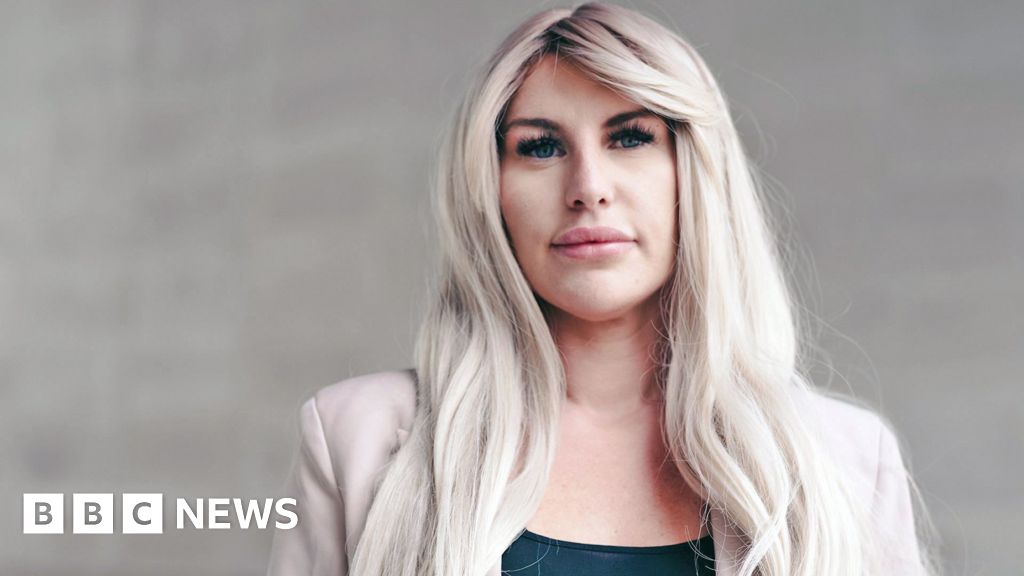
Rebecca, a 29-year-old creator from south Wales, says the agency she signed with began by flattering her before turning “quite controlling” within weeks — insulting her appearance and forbidding her from socialising. When she changed her account login details out of concern the agency would lock her out, the abuse escalated sharply.
“I will have you and your daughter wrote off,” read one message seen by the BBC. A brick was subsequently thrown through her window. Three weeks later, two masked men arrived at her home.
“They were on top of me, strangling me, and I just tried getting my phone to ring somebody because I thought, this is it,” Rebecca told the BBC’s documentary OnlyFans: Inside the Machine. She provided photographs of bruises on her legs and throat. She is convinced both incidents were connected to her manager.
A Systemic Pattern of Exploitation
Rebecca’s case is not isolated. The BBC spoke to 60 UK-based OnlyFans creators and embedded reporters in one of the largest private Telegram groups for OnlyFans managers (OFMs), called OFM Empire, which has 24,000 members.
Inside the group, investigators found open discussion of tactics to seize financial control over creators. One user described the approach as the “pimp method”.
“Create an email and password for their OnlyFans. They can’t log in,” one OFM Empire member wrote. “I have full control of everything.”
Multiple creators told the BBC their managers had accessed their accounts, falsified earnings reports to pocket larger sums, changed passwords to lock creators out, and redirected bank details so payments went directly to the manager.
Contracts Designed to Trap
Contracts shared with the BBC show OFMs routinely demanding 50% of creators’ pre-tax earnings — after OnlyFans has already taken its own 20% cut — with some taking as much as 70%. Many contracts require full account login access and impose financial penalties on creators who attempt to leave early.
“They are taking advantage, which is almost placing these content creators in servitude to the agents and agencies, trapped in a contract which is unfair,” said Matt Jury of human rights law firm McCue Jury & Partners.
Sophie Kemp, head of public law at Kingsley Napley, said the contracts represented “the first step in the road to exploiting creators” and were not fair contractual arrangements in any meaningful sense.
Leanne, 33, signed a contract granting her manager account access and 50% of her earnings. Despite telling her manager at the outset that she would not produce explicit content, she says she was pressured relentlessly until she agreed to film one video. She later discovered it had been sold to subscribers for less than $40 — far below the minimum of $250 she had stipulated.
“It just made me feel so disgusting and so degraded,” she said. She no longer posts on OnlyFans.
OnlyFans Knew — and Did Little
The BBC found that OnlyFans has been aware of concerns about exploitative OFMs for at least four years, when allegations first surfaced in the international press. In 2024, a creator named Riley directly alerted the platform to OFM Empire discussions suggesting agents were buying and selling creators’ contracts without the creators’ knowledge.
She submitted links and screenshots to OnlyFans’ support team. The platform told her there was insufficient evidence to act.
A BBC reporter also found a basic vulnerability in the platform’s controls: after creating a verified account with her own photograph, she was able to register a male colleague’s bank account details to receive test payments — suggesting payment verification processes are not robust.
OnlyFans told the BBC its payment providers conduct “confirmation of payee checks” and reject unsuccessful payments. The company said the allegation that it “turns a blind eye” to exploitation is “unfounded” and that it meets all duties under the Online Safety Act.
“OnlyFans’ relationship is with our creators and fans and we are not connected with, and do not endorse, any third parties including management agencies,” a spokesperson said. “Unfortunately, we cannot review or influence any contractual relationships creators choose to enter into outside the platform.”
Regulators and Legal Experts Raise Alarms
The UK’s independent anti-slavery commissioner, Eleanor Lyons, reviewed the BBC’s findings and said Rebecca’s experience bore “all recognised signs of exploitation — control, coercion, financial pressure and an inability to leave freely.”
“It is alarming that cases of exploitation are being reported but appear to be not properly acted on,” Lyons said, adding that the evidence raised “serious concerns about whether OnlyFans is meeting its legal duties to protect users.” She confirmed she is already engaging with Ofcom and policymakers, and called for OFMs to face greater scrutiny and potential licensing requirements.
Ofcom described the testimony gathered by the BBC as “deeply concerning,” noting that regulated platforms such as OnlyFans “must assess the risk of their services being used to facilitate the commission of offences.”
Kemp of Kingsley Napley said she believes “it is only a matter of time before OnlyFans faces claims of negligence from creators who have suffered harm.”
An Unregulated Industry With No Accountability
OnlyFans has more than 4.6 million creators worldwide. Its operating company, Fenix International Limited, reported annual pre-tax profits of $684 million in its most recent filing. The global ecosystem of OFMs has expanded in parallel with the platform’s commercial success, with agents commonly positioning themselves as growth partners while extracting a substantial share of creators’ income.
Lily Phillips, one of the highest-earning UK creators on the platform, said the absence of regulation around OFMs creates “a dangerous space where vulnerable people can be taken advantage of.”
Gia Clarke, who has been posting on OnlyFans since its launch a decade ago, said she receives more messages from OFMs than from paying subscribers. “There are no regulations, the models don’t know who to trust,” she said, describing some OFMs as “predatory.”
Rebecca, who has since signed with a different agency run by women, says she intends to continue on OnlyFans — not least to prove her former managers wrong. “Being an OnlyFans creator is not going to be a forever thing,” she said. She hopes eventually to save enough to open a horse-riding school.
If you are affected by issues raised in this article, support is available through the BBC Action Line.