
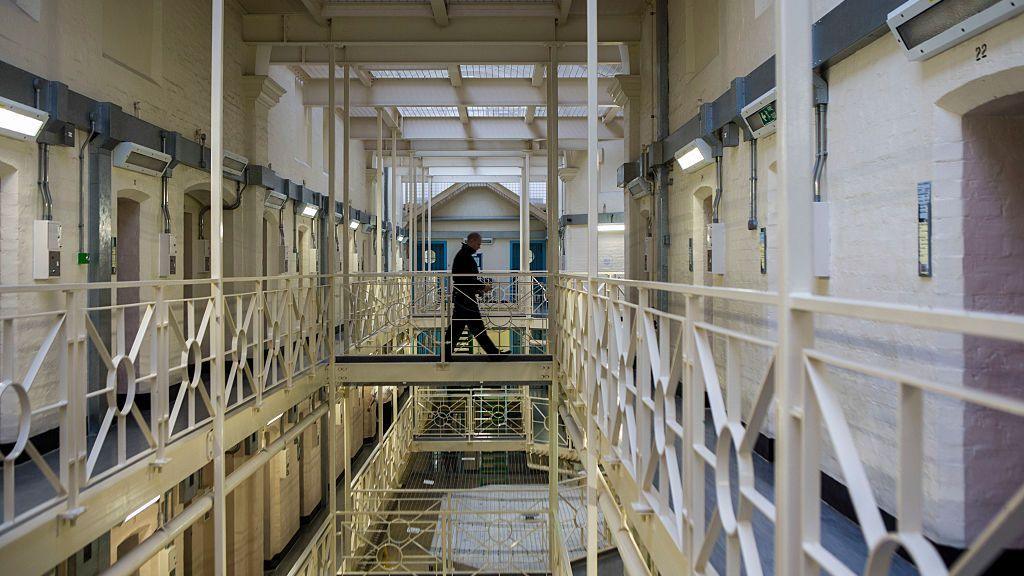
Thousands of newly built prison cells will remain unused for up to eight years. That is the central finding embedded in figures obtained by The Telegraph, which reveal a system simultaneously overcrowded and unable to use its own capacity.
The contradiction is stark. England and Wales are releasing offenders early to relieve pressure on a prison estate groaning beyond its limits, yet purpose-built cells — constructed at public expense precisely to address that pressure — are expected to sit vacant well past 2030. At least nine prisons, including a facility in Kent, are undergoing repairs so extensive that their cells will not be available for use until after that date.
The Ministry of Justice has pursued early release as an emergency measure to prevent what officials have described as a total collapse of available custodial space. The policy has drawn sustained criticism from criminal justice observers, victims’ advocacy groups, and opposition politicians who argue that it undermines sentencing integrity and public safety. What the newly released figures add to that debate is a specific and damaging detail: the capacity crisis is not simply a matter of insufficient infrastructure, but of infrastructure that exists and cannot be used.
Repair backlogs in the prison estate are a long-documented failure. Successive governments — Conservative and Labour alike — have acknowledged the deteriorating condition of ageing Victorian-era facilities while consistently underfunding the maintenance programmes required to address them. The result is a compounding deficit: cells fall out of use faster than they are restored or replaced, and new builds, where they exist, cannot compensate quickly enough to absorb the shortfall. The Kent facility is not an anomaly; it is one data point in a pattern spanning at least nine institutions.
The eight-year vacancy figure matters beyond the headline. It represents the period during which the state will simultaneously incur the capital and maintenance costs of holding those cells in a non-operational state, continue releasing prisoners earlier than their sentences prescribe, and absorb the political and legal consequences of both decisions. Under international human rights standards, states bear an obligation to ensure that detention conditions meet minimum standards of dignity — a standard that crumbling infrastructure makes structurally harder to meet, regardless of occupancy rates.
What remains unclear from the available information is the precise breakdown of which prisons are affected, the total number of cells involved, the nature of the repairs required, and the full cost to the public purse. The Telegraph‘s reporting, behind a subscription paywall, contains the granular sourcing that would allow independent verification of those figures. That opacity limits the degree to which civil society organisations, parliamentary scrutiny bodies, and legal observers can assess the full scale of the accountability gap.
The broader picture, however, is not in serious dispute. England and Wales operate a prison system that is simultaneously under-capacity in practice and over-capacity on paper — a condition that reflects not a single policy failure but a structural accumulation of deferred decisions, inadequate funding cycles, and a political culture that has consistently treated prison infrastructure as a second-order concern until the moment of crisis. Eight years of empty cells is not a footnote to that story. It is its clearest illustration yet.