
China Coast Guard Turns Water Cannons on Philippine Vessels Near Scarborough Shoal
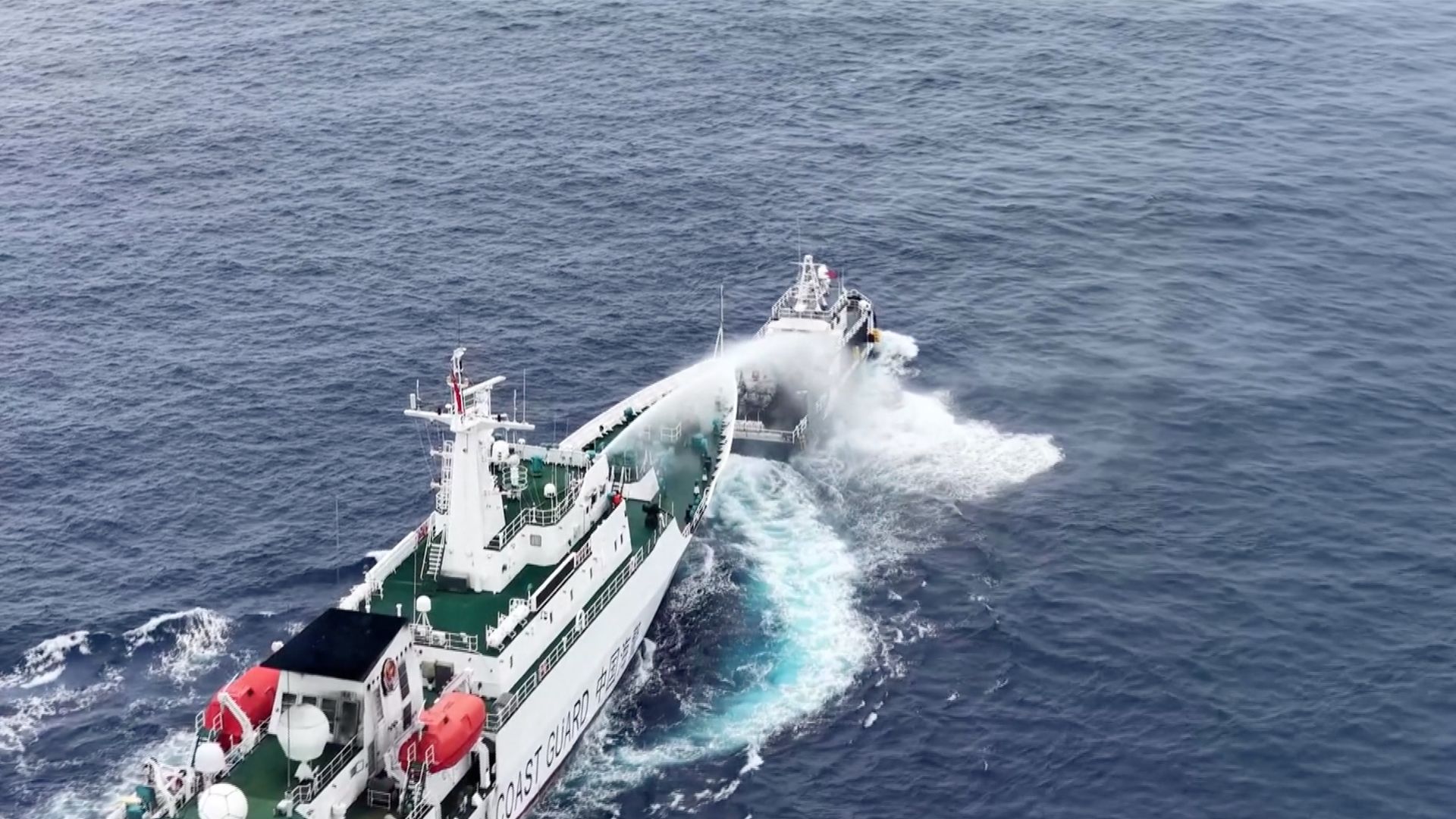
A Chinese Coast Guard vessel directed water cannon fire at Philippine government boats near Scarborough Shoal, marking the latest escalation in a sustained pattern of coercive enforcement actions in the disputed South China Sea. The incident adds to a documented record of confrontations that civil society monitors and international legal analysts have tracked with growing concern.
A Structural Pattern, Not an Isolated Event
Framing this incident as an isolated provocation would obscure its systemic character. Chinese maritime enforcement in the South China Sea follows a documented operational logic: incremental pressure, denial of access, and the gradual normalisation of coercive presence in contested zones. Each confrontation, taken alone, can be minimised; the cumulative record is considerably harder to dismiss.
The water cannon deployment against Philippine boats is consistent with tactics Chinese Coast Guard vessels have employed repeatedly in recent years — including against resupply missions to the grounded Philippine naval vessel BRP Sierra Madre at Second Thomas Shoal. International legal scholars have noted that such actions, when directed at vessels engaged in lawful navigation or resupply, may constitute violations of UNCLOS obligations and broader norms governing the use of force at sea.
The Legal and Diplomatic Stakes
Manila has lodged repeated diplomatic protests over Chinese interference with its vessels, and has increasingly sought to document incidents through official reporting and media transparency — a strategy designed to build an evidentiary record and sustain international attention. The Philippines has also deepened security cooperation with the United States, Australia, and Japan, situating bilateral maritime disputes within a broader regional security architecture.
Beijing, for its part, frames its Coast Guard operations as lawful enforcement within Chinese sovereign waters — a position that international tribunals have rejected but that China continues to assert as state policy. The gap between those competing legal claims is not merely technical; it defines who controls access to some of the world’s most commercially and strategically significant maritime space.
What Remains Uncertain
The precise circumstances of the 24 July incident — including the exact location relative to established maritime boundaries, the nature of the Philippine vessels involved, and whether any damage or injuries resulted — had not been fully confirmed at the time of publication. Both governments have historically offered divergent accounts of individual confrontations, underscoring the importance of independent documentation by journalists and civil society observers operating in the region.