
Five Soldiers Dead in Southern Thailand Checkpoint Attack as Peace Talks Hang in the Balance
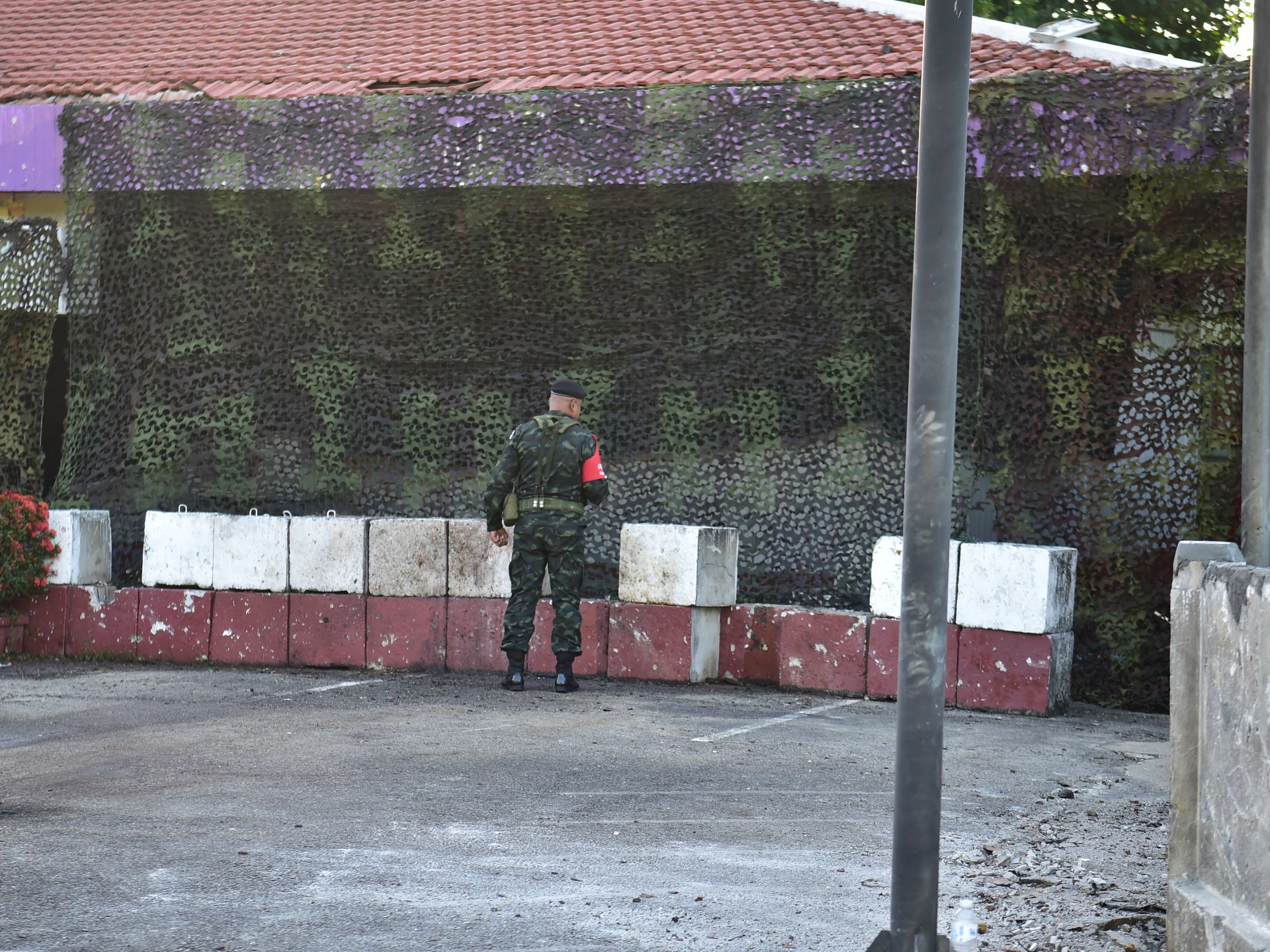
On a Wednesday evening in Narathiwat province, approximately ten assailants dressed in black arrived at the Buketa Sami checkpoint aboard a pickup truck and motorcycles, and within minutes five Thai paramilitary soldiers were dead. Six civilians were wounded in the assault, which the military’s Internal Security Operations Command Region 4 confirmed in a formal statement, describing how the attackers deployed gunfire and pipe bombs against members of Task Force Ranger Regiment 45 as they guarded the area.
Before fleeing, the assailants seized three AK-47 rifles, three bulletproof vests and several mobile phones from the checkpoint — a detail that speaks to a degree of operational preparation rarely consistent with opportunism. Security forces later located the pickup truck abandoned and set ablaze some 21 kilometres from the scene. No group has claimed responsibility, and no arrests have been announced.
The attack did not occur in isolation. The day before, a car bomb had detonated outside the former Tanyong police station, also in Narathiwat, injuring an officer and damaging the building. Police were still searching for two suspects seen fleeing by motorcycle when news of the checkpoint massacre broke. According to Thailand’s The Nation, it was the first car bombing recorded in the southern border region this year — a threshold whose crossing, in the context of a conflict this protracted, carries its own grim significance.
Narathiwat, along with Pattani and Yala, forms the predominantly ethnic Malay Muslim heartland of Thailand’s deep south, a region that has been engulfed in armed separatist conflict since 2004. The toll accumulated over those two decades exceeds 7,000 dead — civilians, security personnel and fighters alike — a figure that rarely surfaces in international coverage proportionate to its weight.
The Thai government condemned Wednesday’s assault as an act of “terrorism” that posed, in the words of government spokeswoman Rachada Dhnadirek, “a serious threat to national security” and undermined ongoing efforts to revive the peace process. That framing is not without foundation, but it also risks obscuring the structural conditions that have sustained the conflict across successive administrations. Formal negotiations between Bangkok and the Barisan Revolusi Nasional, the principal separatist organisation, had been expected to resume in June, following a recent escalation in violence. Those talks have long foundered on unresolved disagreements over self-governance arrangements, security measures and political representation — disputes that reflect a deeper contest over sovereignty and recognition that neither side has yet found the language to resolve.
The army issued a tribute to the fallen soldiers, pledging that their “service and sacrifice will be remembered and honoured with the highest respect.” Such declarations are not without meaning; they are also, in a conflict of this duration, insufficient. What the dead and the wounded in Narathiwat — on all sides, across all years — most require is not ceremony but accountability: for the conditions that produced the conflict, for the negotiations that have repeatedly stalled, and for the political will that has repeatedly failed to materialise.