
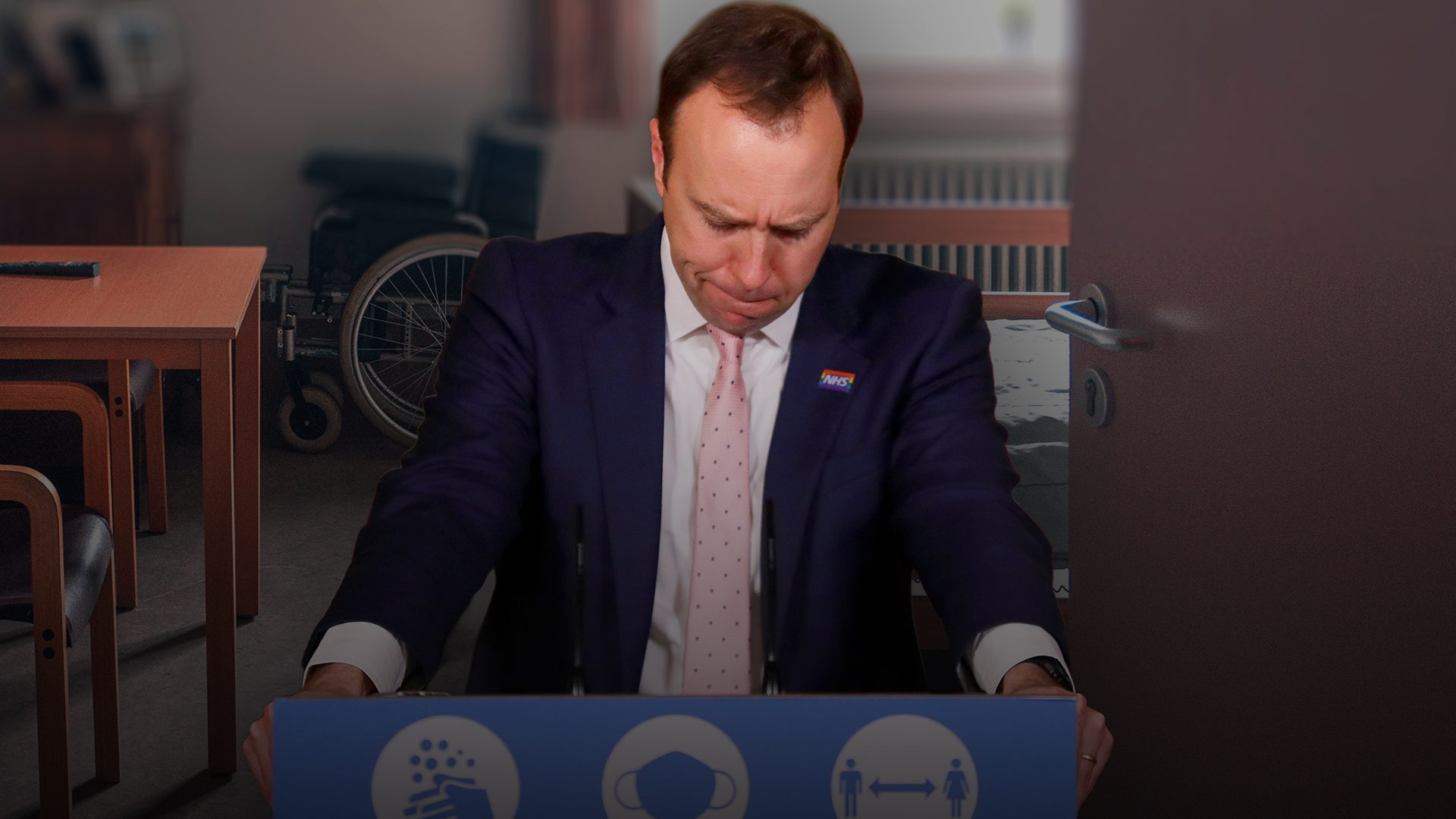
The virus moved through care homes with devastating speed. Behind locked doors — locked, in part, to relatives who had no choice but to wait — it found the most vulnerable people in British society and killed them in numbers that were, in retrospect, neither unforeseeable nor inevitable.
A Damning Verdict
The UK Covid Inquiry’s report into the pandemic’s impact on care homes has delivered a severe indictment of government decision-making, concluding that ministers allowed the virus to “spread like wildfire” through a sector they had long known to be acutely fragile. Inquiry chair Baroness Hallett found that the care sector’s vulnerability was not a secret — it was documented, understood, and ultimately disregarded until the death toll made inaction impossible to defend.
The report’s language is measured, but its conclusions are not. Officials at the highest levels of government were aware that care homes housed elderly and medically compromised residents in conditions that made viral transmission exceptionally dangerous. That awareness did not translate into timely, adequate protection. It translated, instead, into delay.
The Human Cost of Policy Failure
Among the report’s most striking findings is its assessment of the visiting bans imposed on care home residents. Baroness Hallett found that preventing relatives from seeing their loved ones caused “intense emotional harm” — a phrase that, understated as it is, carries the weight of thousands of final months spent in isolation, of deaths unwitnessed, of grief that could not be shared in person. The policy, ostensibly designed to protect residents, did not prevent mass mortality. It did ensure that many died alone.
Bereaved families who have followed the inquiry closely described the report’s findings as exposing one of the darkest episodes in recent British history. Their testimony, gathered over months of proceedings, forms a thread of accountability that runs through the inquiry’s formal conclusions — a reminder that behind every institutional failure are specific people who bore its consequences without recourse.
Systematic Neglect, Not Isolated Error
What the inquiry describes is not a series of isolated misjudgements made under impossible pressure. It is a pattern: a sector chronically underfunded and under-regulated, staffed by workers who lacked both adequate protective equipment and the legal standing to demand it, populated by residents who had no meaningful political constituency to advocate for their safety. When the pandemic arrived, care homes were, in Baroness Hallett’s framing, an afterthought — and the consequences of that institutional indifference were borne entirely by those least able to absorb them.
The government has not yet responded in full to the report’s specific findings. That response, when it comes, will be measured against a record that the inquiry has now placed firmly in the public domain — a record that does not permit easy exculpation.
What Accountability Requires
The inquiry’s work is not complete. Further modules will examine other dimensions of the pandemic response, and the question of what remedies — legal, structural, financial — might follow from findings like these remains open. What the care home report establishes, with precision and without sentimentality, is that people died in circumstances that better governance could have prevented, and that the state’s duty of care to its most vulnerable citizens was not met. That is the baseline from which any serious reckoning must begin.