
BAE Systems U.S. Unit Fined $36 Million Over Illegal Arms Export Violations, Including Technology Transfer to China
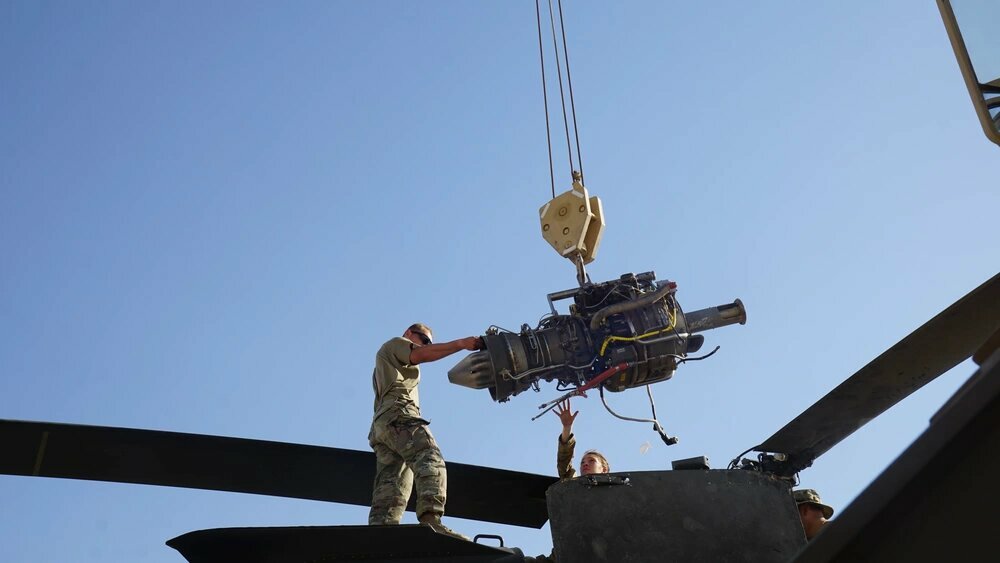
A U.S. subsidiary of BAE Systems, Britain’s largest defence contractor, has agreed to pay a $36 million penalty after the U.S. State Department found it had violated federal arms export laws on at least 104 separate occasions — including an incident involving the transfer of sensitive technology to China. The settlement, reached under the Arms Export Control Act and its implementing regulations, the International Traffic in Arms Regulations (ITAR), represents one of the more significant enforcement actions against a major Western defence firm in recent years.
The documented violations span a range of failures, and the material facts disclosed are precise enough to warrant close attention.
The State Department noted specifically that BAE subsidiary employees lacked adequate training to identify weaknesses in the firm’s supply chains and export control procedures — a systemic deficiency, not an isolated lapse. The company has stated it has since allocated funding for training programmes and hired additional staff, though regulators have declined to take that assurance at face value, hence the external audit requirement.
This is not BAE Systems’ first encounter with U.S. enforcement authorities. In 2011, the company paid more than $450 million in penalties following findings of bribery and corruption, including the use of marketing intermediaries to secure government defence contracts. The recurrence of enforcement action raises questions that a single settlement cannot resolve: whether compliance failures at BAE reflect structural incentive problems within large defence contractors operating across multiple jurisdictions, and whether fines calibrated against the scale of a company winning $500 million U.S. Army howitzer contracts in the same year function as genuine deterrents or as manageable costs of doing business.
BAE Systems described its cooperation with the State Department’s review as thorough and reiterated its commitment to export control compliance. Regulators, for their part, framed the settlement as evidence of the department’s role in protecting U.S. national security and foreign policy interests. Both statements are formally true. Neither fully accounts for why a firm of BAE’s scale and resources required more than a hundred violations — and a federal investigation — before systemic remediation was imposed.