
United Utilities Fined Nearly £1 Million for Illegal Sewage Discharge Along Lancashire Coast
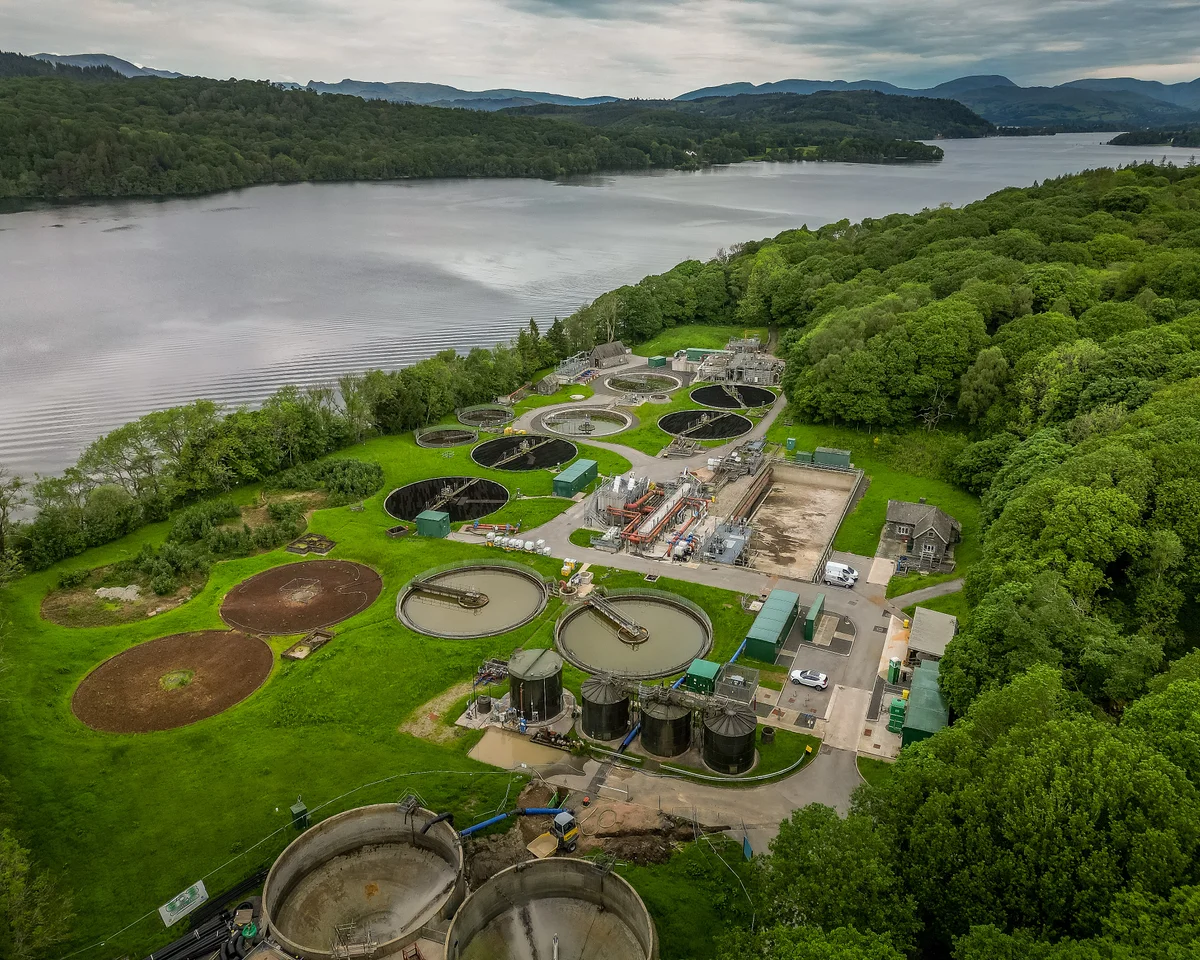
In June 2023, raw sewage flowed from three pumping stations into the waters off the Fylde coast for more than thirty-five hours across several days, contaminating beaches and marine facilities at Blackpool, Lytham St Annes, Fleetwood and Cleveleys. On Tuesday, Preston magistrates court ordered United Utilities to pay £964,225 in fines and costs after the water company pleaded guilty to five environmental permit offences — a penalty described by the Environment Agency as a record fine, and one that reflects both the scale of the contamination and the breadth of its consequences for communities that depend on clean coastal waters for their livelihoods.
The incident originated with a structural failure: the partial collapse of a final effluent pipe at Fleetwood wastewater treatment works, which reduced the site’s capacity to receive sewage and caused wastewater to back up through the network. When rainfall followed, the system could not cope. Sewage discharged from pumping stations at Manchester Square, Anchorsholme and Chatsworth Avenue, releasing contaminated water into a coastline that draws millions of visitors each summer. United Utilities’ own modelling confirmed that the resulting sewage plume reached seven of the eight designated bathing waters along the affected stretch, prompting the Environment Agency to issue “no bathing” advisories across all eight sites. Tests identified the presence of E. coli; three shellfish beds were temporarily closed on public health grounds; and sewage was reported directly on beaches and at recreational facilities, including Fleetwood baths.
The economic damage was substantial and precisely documented. The Environment Agency noted that in Blackpool alone, summer visitor numbers fell by hundreds of thousands compared with the previous year — a figure that translates into lost revenue for hotels, restaurants, amusement operators and the seasonal workforce that sustains them. That such harm could flow from a single infrastructure failure at a company operating under environmental permits designed to prevent exactly this outcome raises questions that a fine, however record-breaking, cannot fully answer. The Environment Agency’s investigation concluded that United Utilities had failed to meet the conditions stipulated in those permits, a finding the company did not contest. It accepted the incident’s classification at category one — the agency’s most serious designation.
Andy Brown, the Environment Agency’s water regulation manager, stated that the discharge represented “an unacceptable pollution incident which had far-reaching consequences for residents and businesses along the Fylde coast,” and that the fine was commensurate with the seriousness of the offences and the harm caused. United Utilities’ director for wastewater services, Chris Borradaile, offered an apology described as “sincere and unreserved” and acknowledged that the company had fallen short of the standards its customers and communities “rightly expect.” Whether those expectations will be met going forward — given the age and fragility of wastewater infrastructure across England, and the persistent pattern of permit breaches by water companies — remains, for now, an open question. A fine absorbed by a large regulated utility does not, by itself, constitute accountability; it constitutes a cost of doing business, unless the regulatory architecture surrounding it is robust enough to compel structural change.